

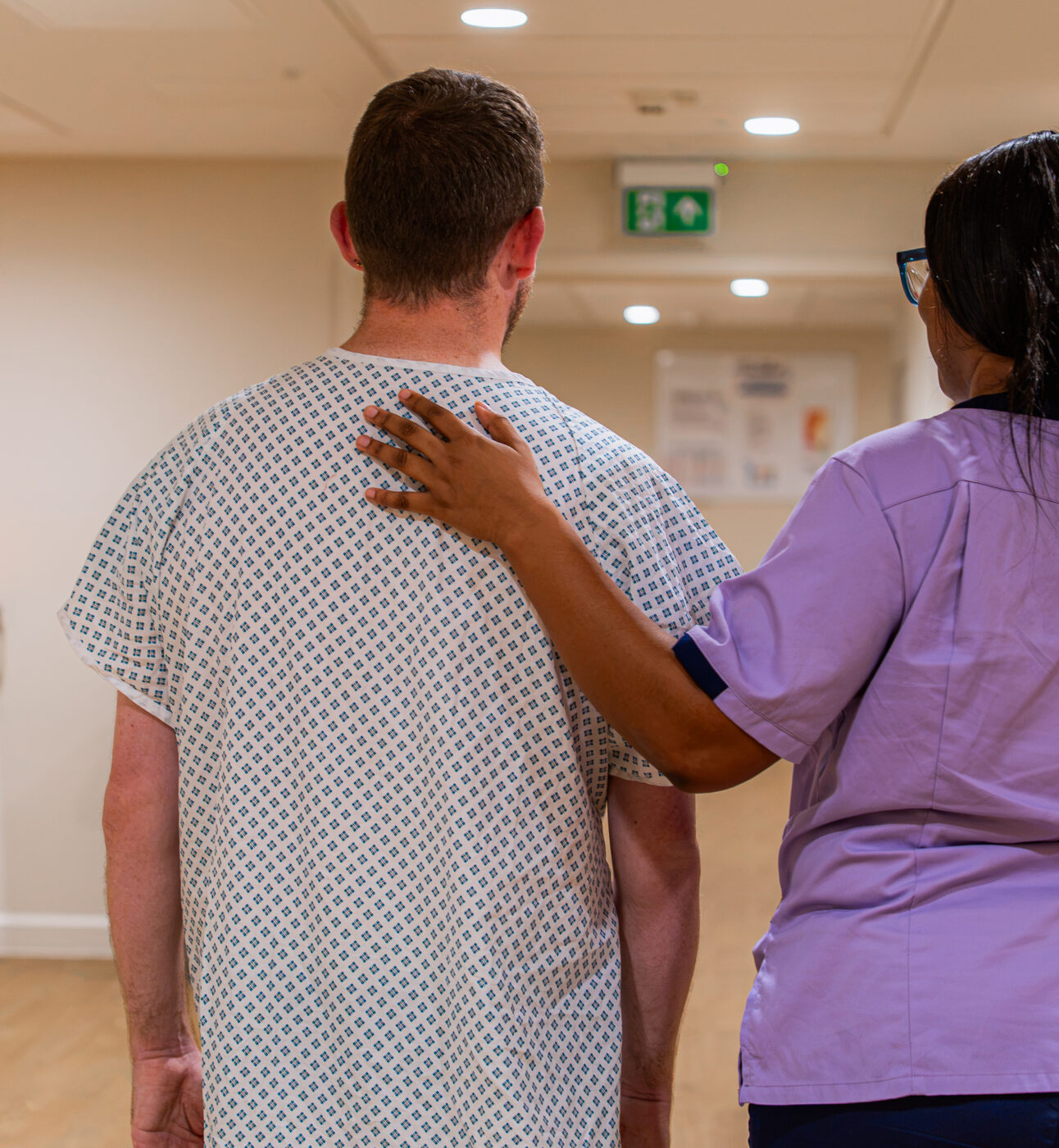
Male breast cancer: Ben’s story
Nearly 1% of people diagnosed with breast cancer in the UK are men. Ben is sharing his breast cancer journey to help raise awareness.

Nearly 1% of people diagnosed with breast cancer in the UK are men. Ben is sharing his breast cancer journey to help raise awareness.
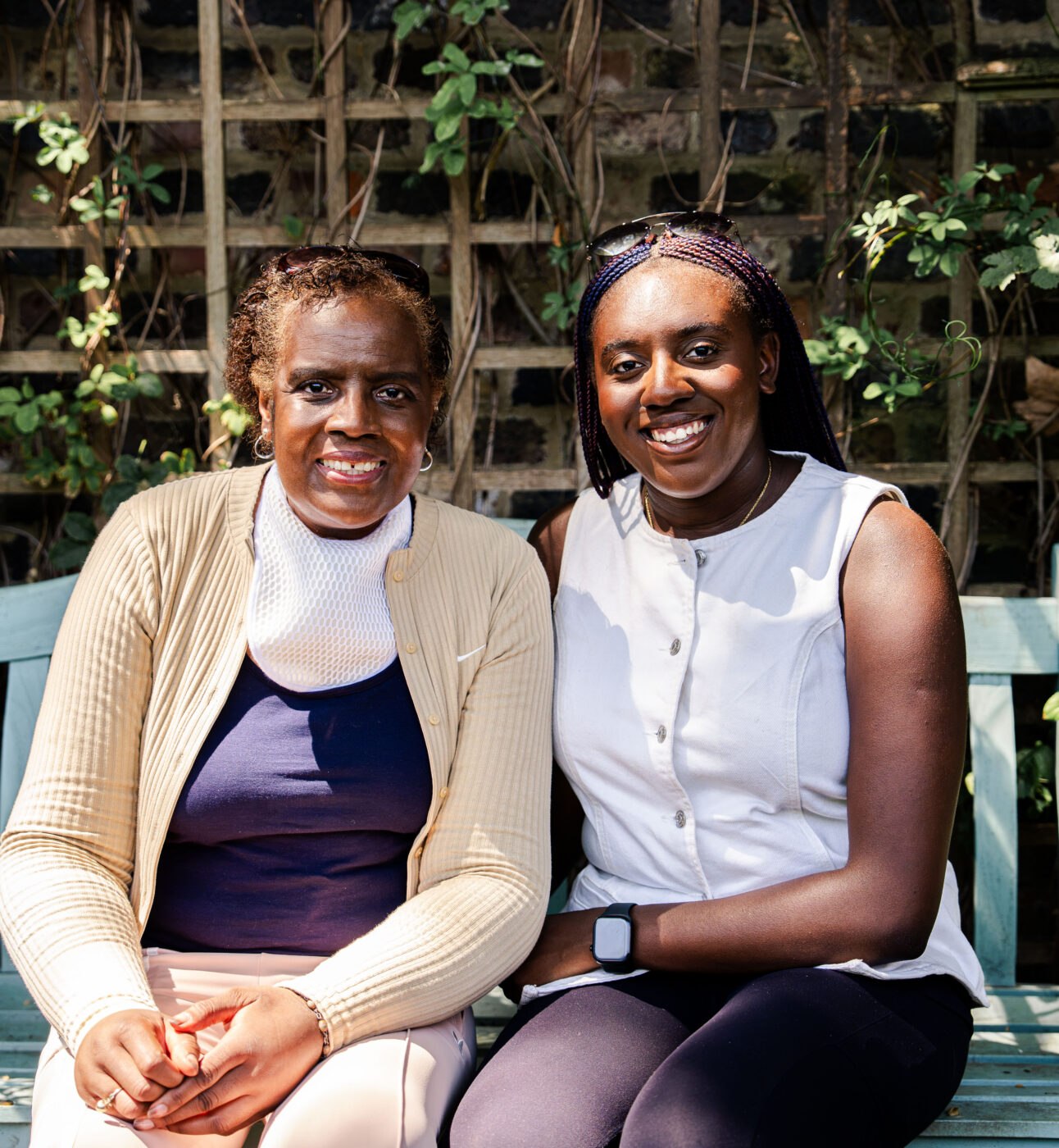
When Jackie was diagnosed with breast cancer, daughter Lacey stayed by her side through treatment and long hospital stays. Now she’s fundraising to give back.
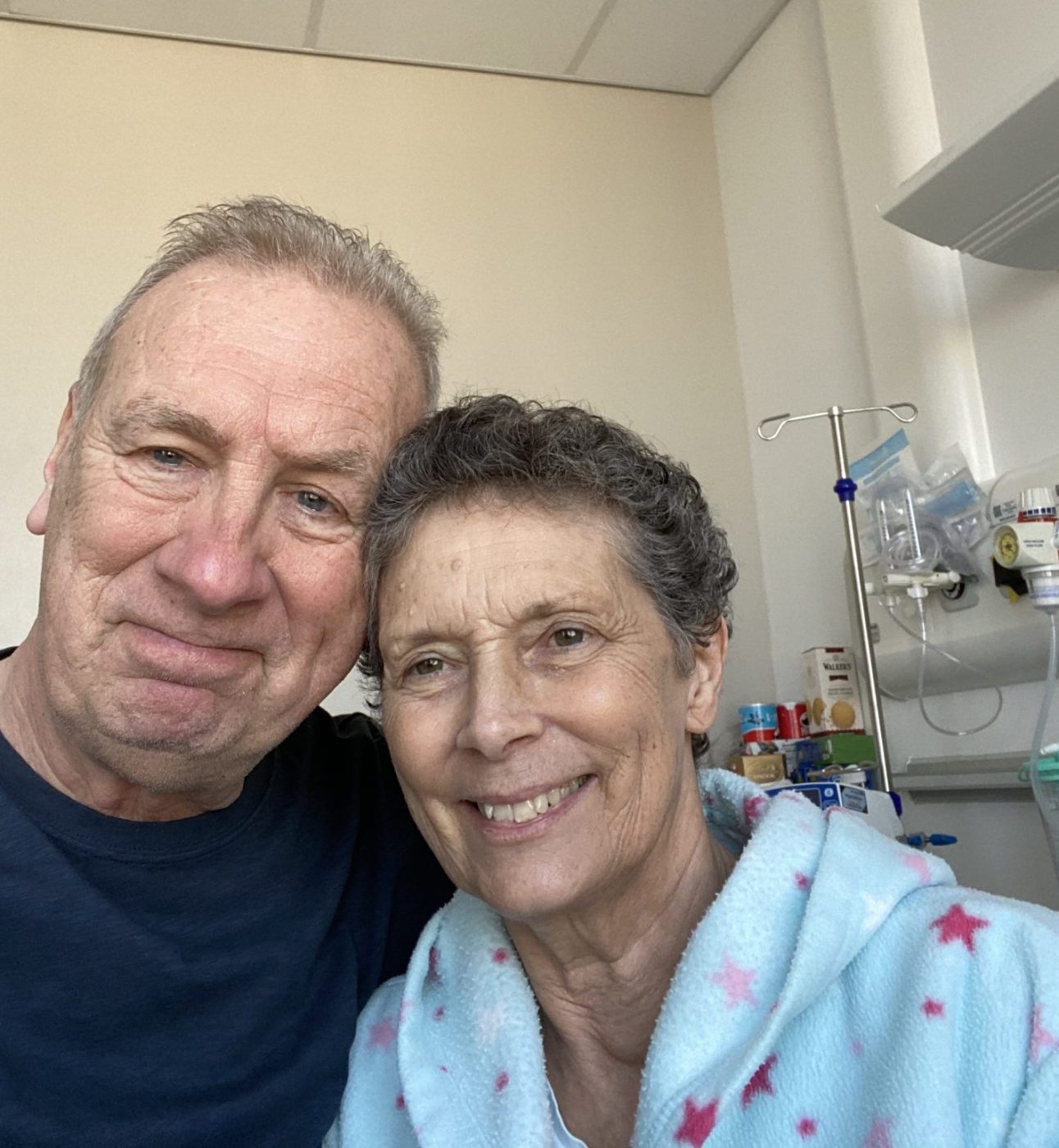
When Bernard’s wife Janet was diagnosed with blood cancer, his world was turned upside down. Janet sadly passed away in June 2023, and Bernard shares how creating a MuchLoved page in her memory was a great comfort to him, her friends and family.
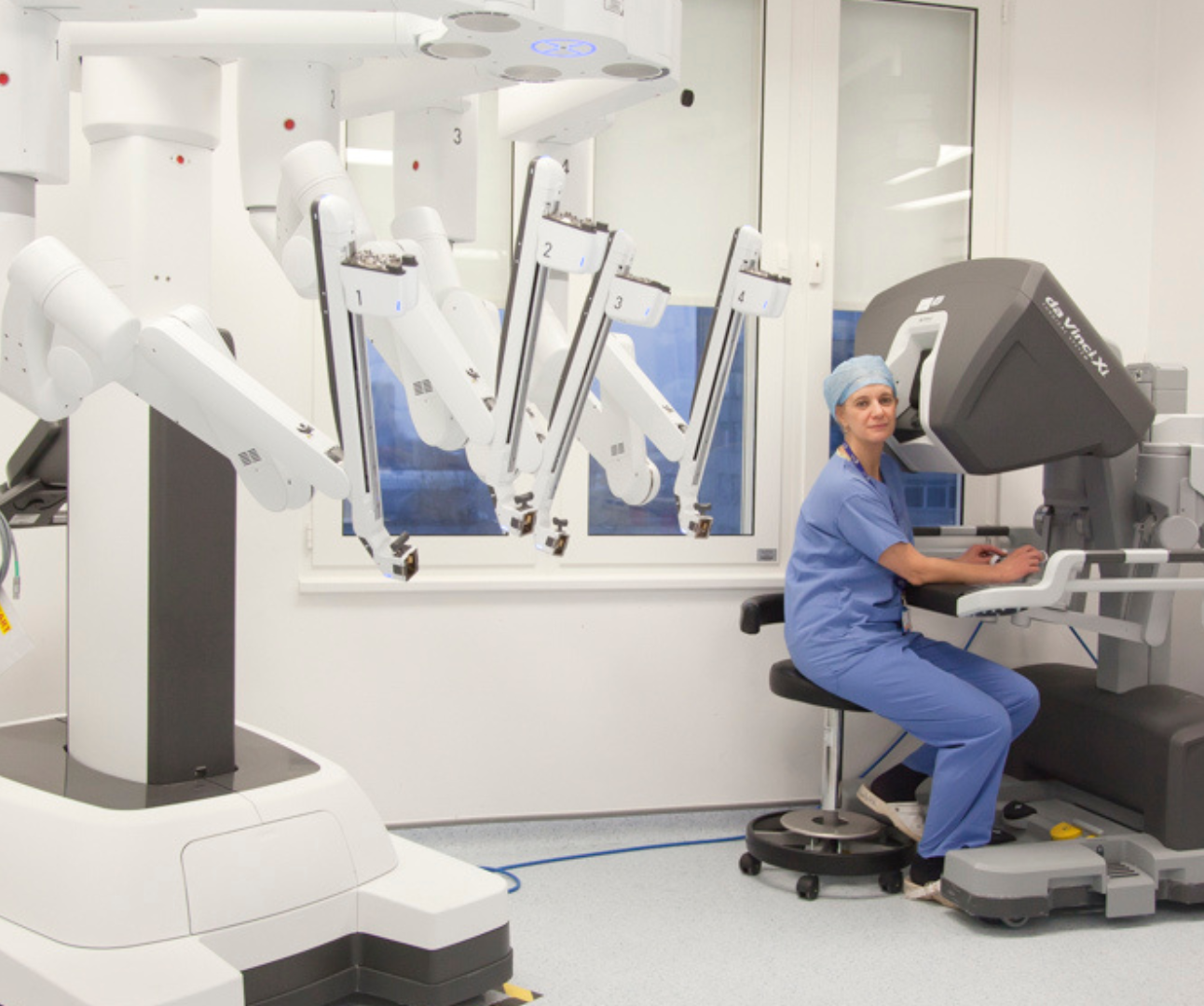
Our new investment will bring three new surgical robots to Barts Health hospitals and will increase access to less invasive procedures.
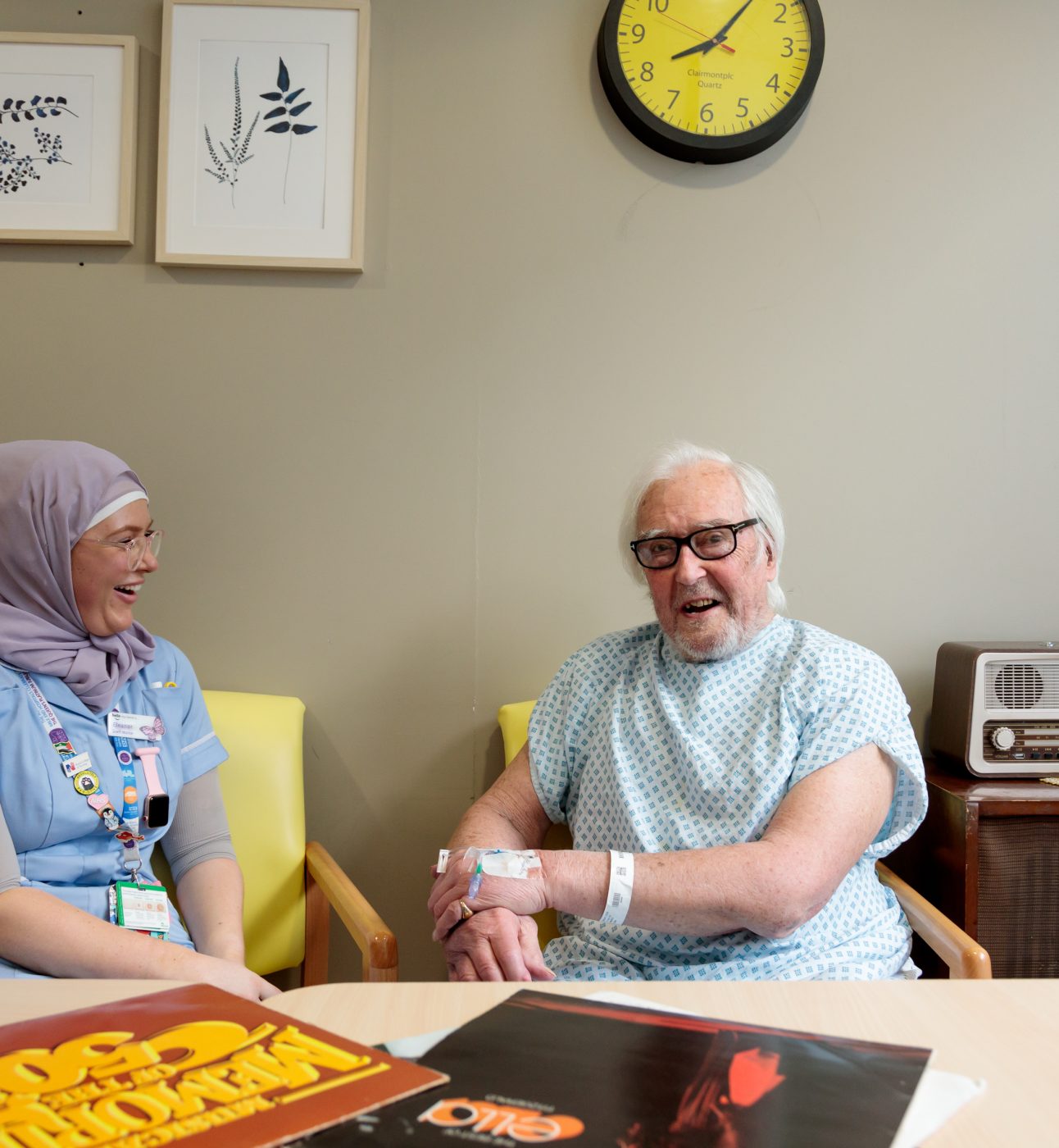
Our Everyday Impact funding scheme focuses on ideas where a simple change can make a big difference to the care, experience and wellbeing of patients in hospitals across. We have now supported 58 projects and invested an incredible £1.5m.

Barts Charity funded research from Queen Mary University of London, suggests that girls between the ages of four and 11 who are considered overweight or obese were 1.7 times more likely to visit GP with a musculoskeletal symptom or diagnosis.

We have funded prehabilitation gym equipment in all Barts Health hospitals to help cancer patients get fit ahead of their surgery.
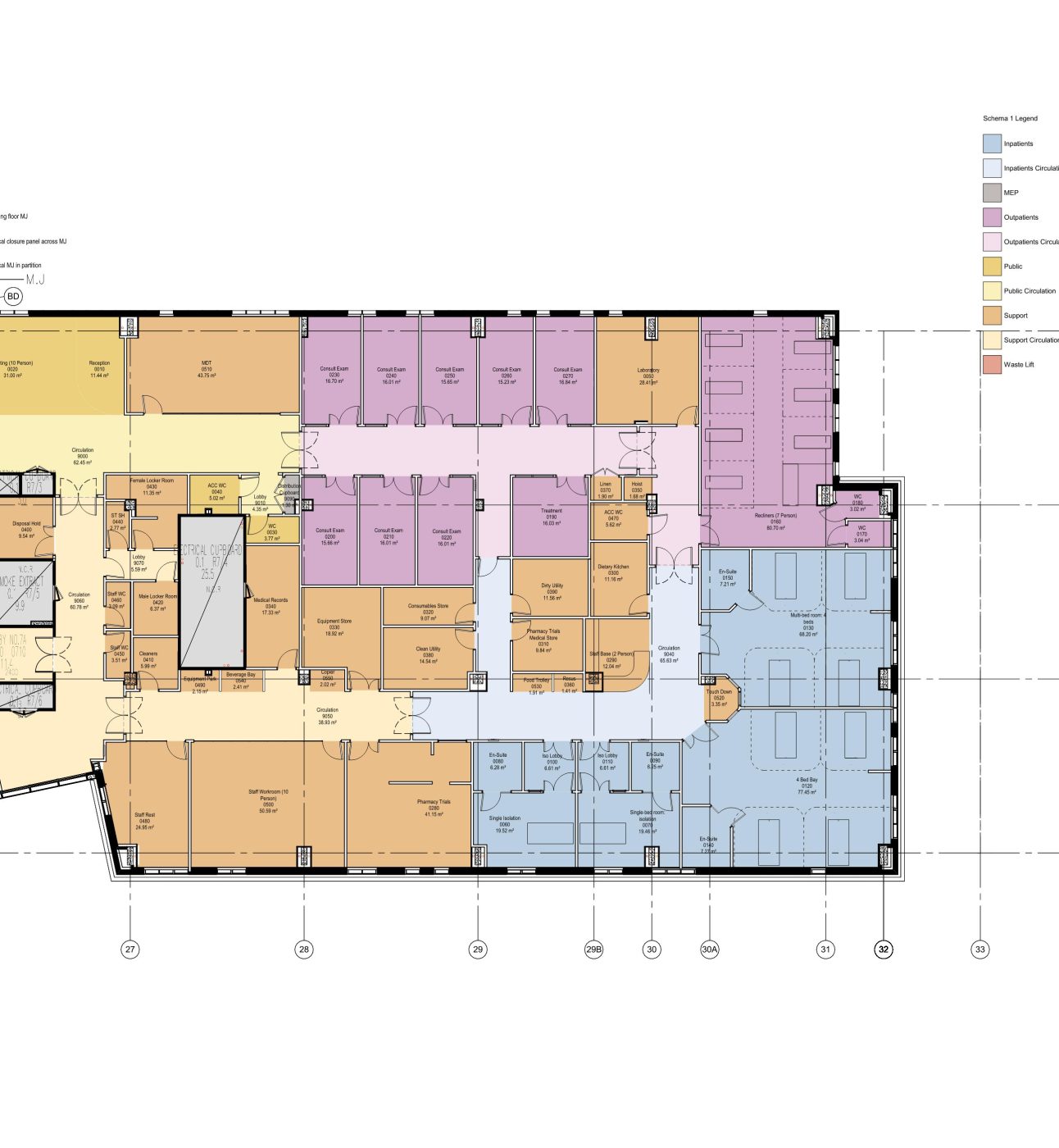
The Clinical Research Facility will allow more early phase clinical trials to take place in East London, bringing potentially life-changing treatments to our local population and shaping the future of healthcare through truly world-class innovations.

We have funded a new board game, available in Barts Health hospitals, that aims to improve the experience of young people transitioning out of paediatric into adult care services.

The Charles Wolfson Charitable Trust's pledge will support the development of a new Clinical Research Facility at The Royal London Hospital. This could mean earlier access to life-changing treatments for people in East London.

With our funding researchers at Queen Mary will investigate how marks on DNA in our blood - and the information they contain - can be used to detect a wider range of diseases than before, early and accurately.
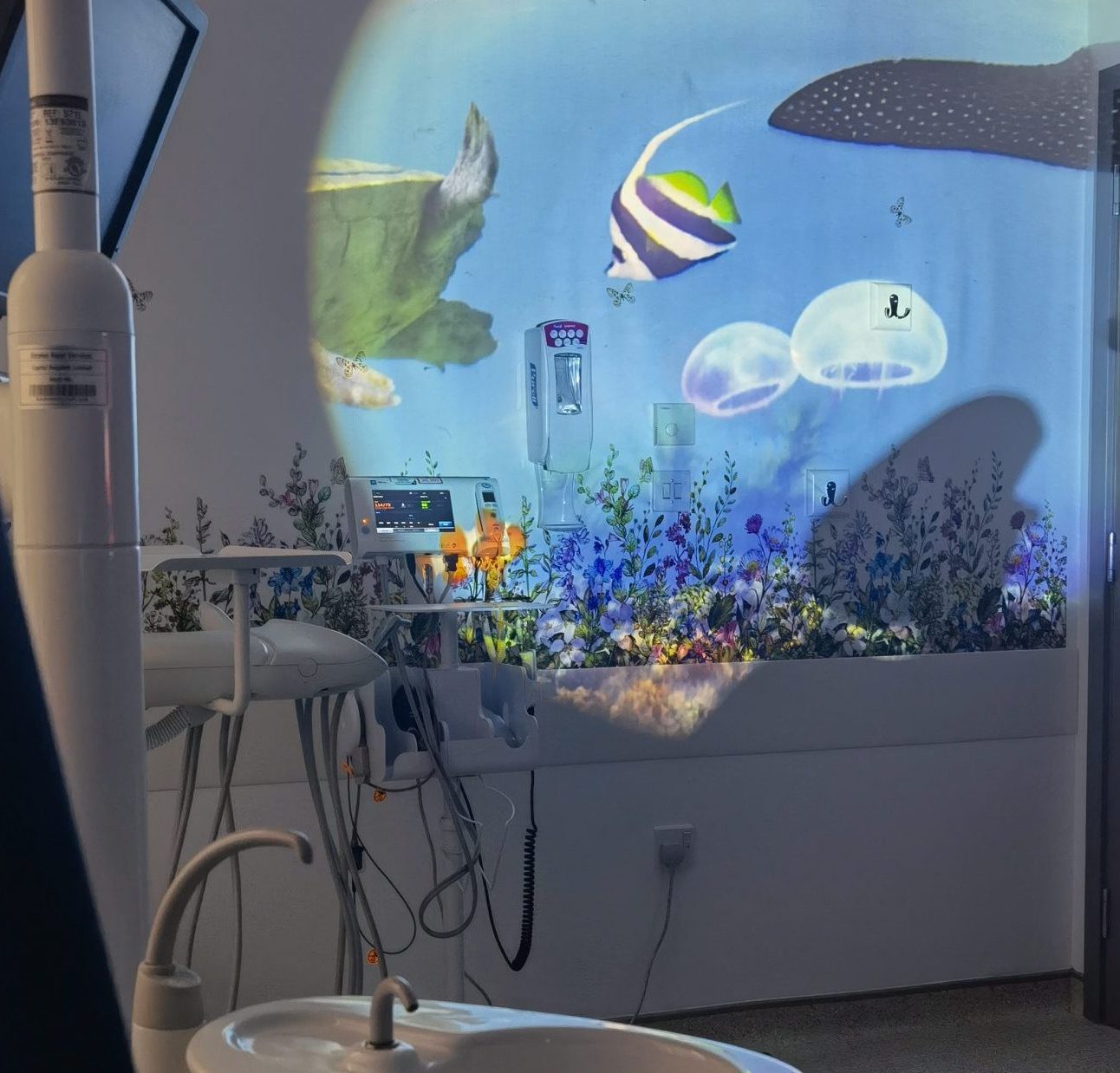
Patients in the Special Care Dentistry department at The Royal London Hospital have felt more at ease using sensory items including weighted blankets and viewing images, all designed to help reduce anxiety.