

Doctoral Training Programme
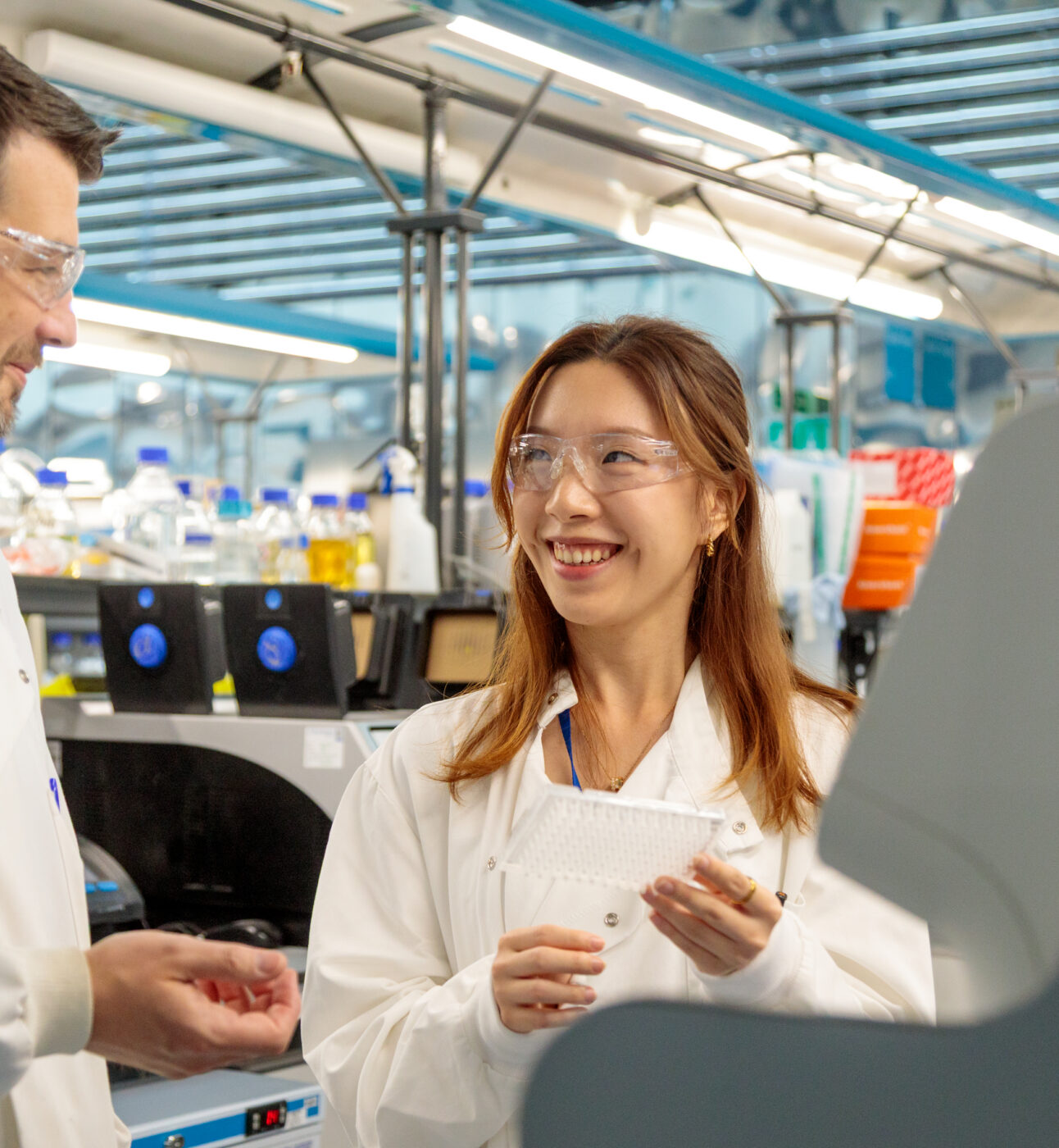
We’re supporting Queen Mary University of London to develop the next generation of biomedical researchers.
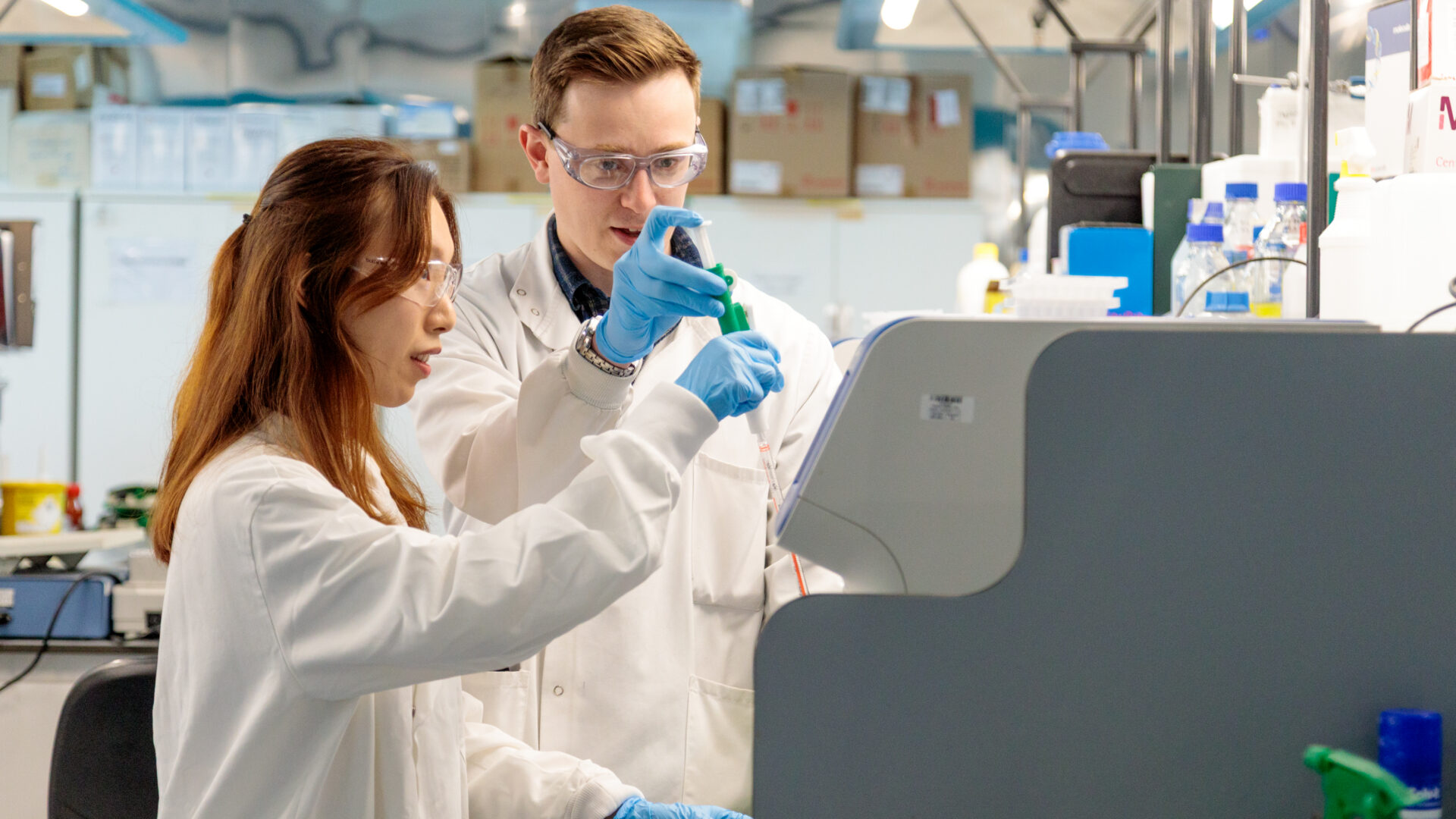
We invest in high–quality, innovative research that enhances our understanding of health and illness and has the potential to improve and save lives in East London.
Research is essential to improve health in our community. It lays the groundwork for breakthroughs in prevention, diagnosis, and treatment. We invest in high–quality, innovative research that enhances our understanding of health and illness and has the potential to improve and save lives in East London.
By supporting research from early-stage discovery to later stage implementation, we enable research-led health improvements that serve our community. We support research in multiple ways including:
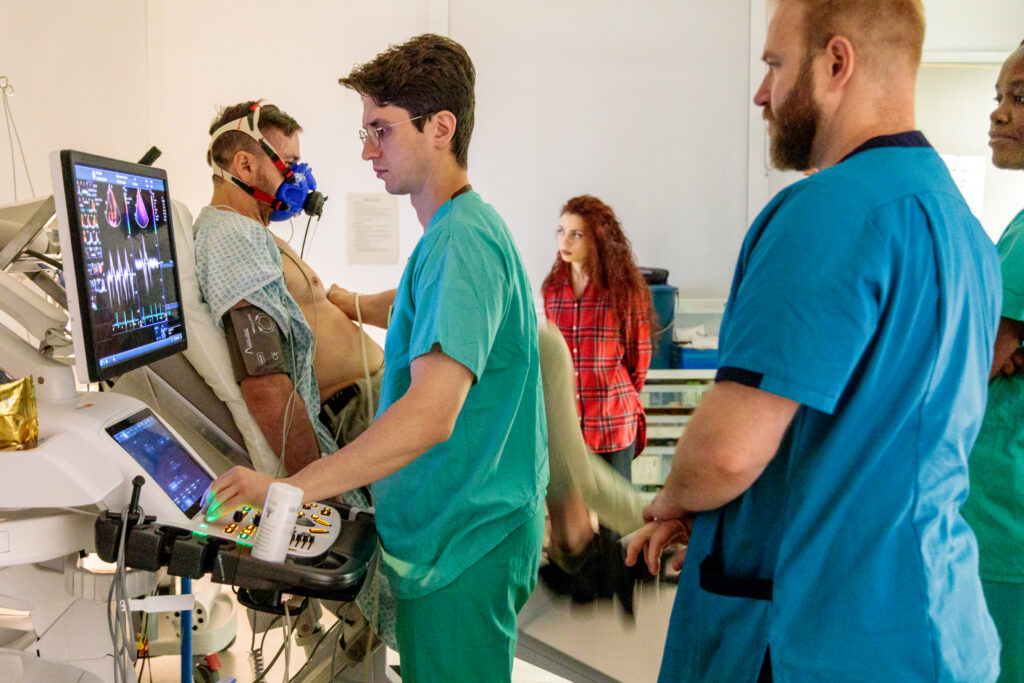
Our research funding advances understanding of the biological, environmental and social drivers of health, supporting new centres of excellence and attracting leading researchers to East London.
We’re strengthening the infrastructure needed for world-class research, including a state-of-the-art Clinical Research Facility that places East London at the forefront of clinical innovation. Embedding research into everyday care enables real-time learning and improved outcomes, as seen in initiatives like the Centre for Tuberculosis.
We also invest in research training to build academic leadership and capacity across disciplines and career stages, including the Barts Charity Doctoral Training Programme focused on local health challenges.
This approach enables:




We’re supporting Queen Mary University of London to develop the next generation of biomedical researchers.

The REAL Health programme aims to address child, respiratory and cardiovascular health in East London.

Improving the health, wellbeing, and care of older adults in North East London and beyond.
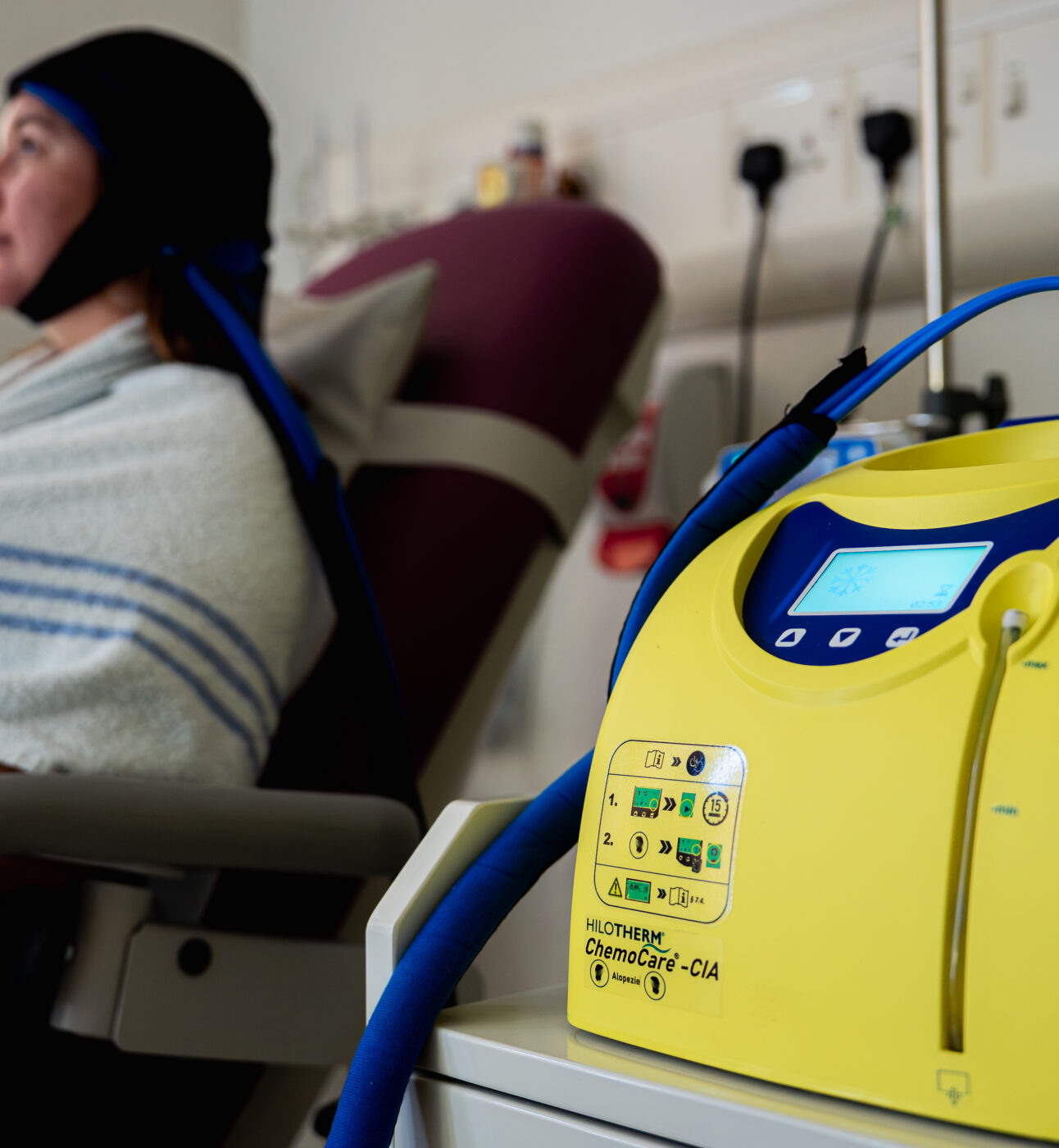
Professor Peter Schmid speaks to us on curing more early-stage cancers, learning from every patient and bringing world-class research closer to people in East London.
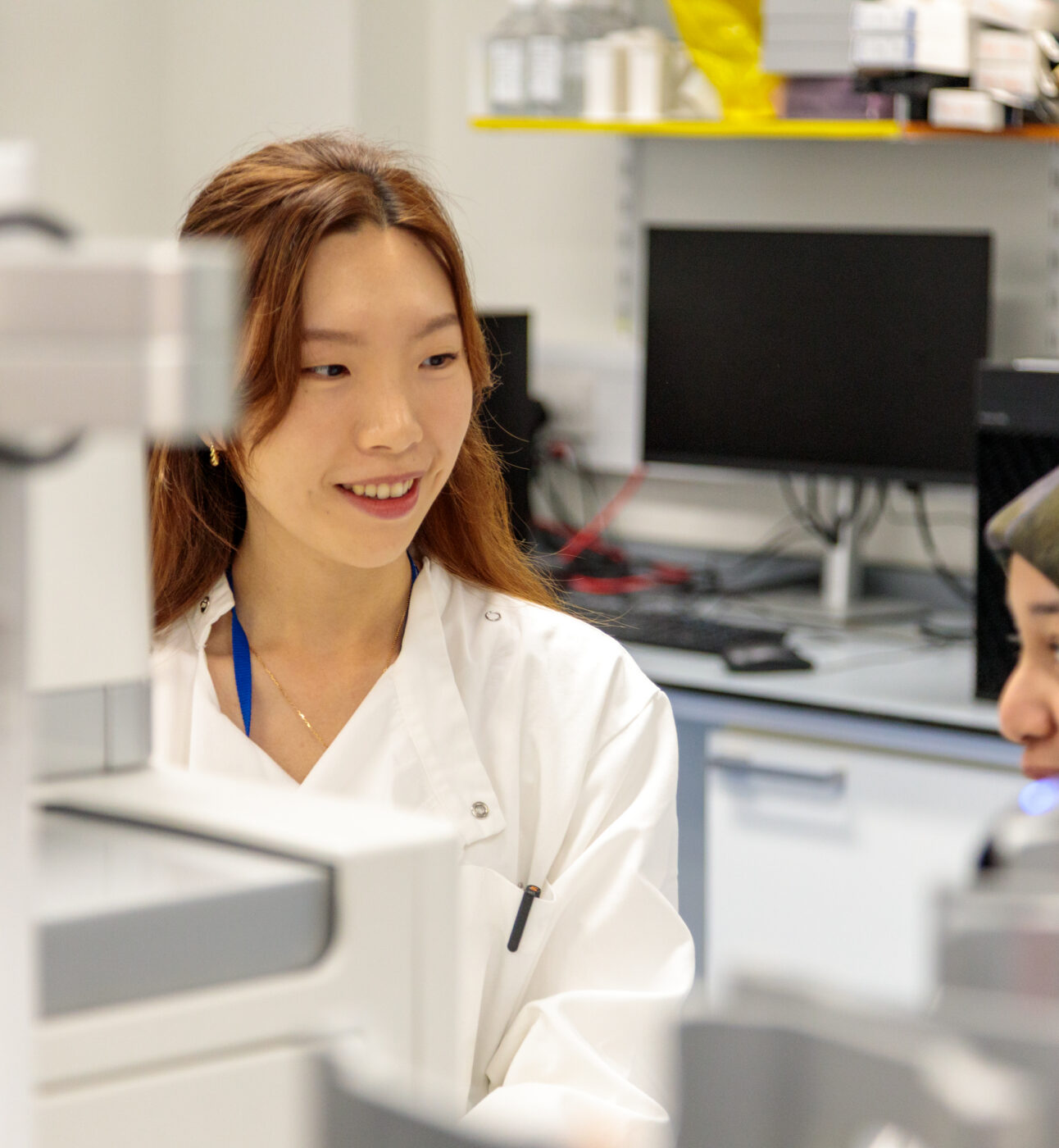
We’re delighted to announce our new Clinical Research Training Fellows for 2025/26. This year, we’re supporting seven healthcare professionals to undertake PhD training that will help to transform care for the people of East London.

A new study by researchers at Queen Mary University has found that four in ten UK GPs are currently using AI-powered “scribes” to document patient consultations. This highlights the rapid adoption of artificial intelligence in primary care, despite continuing concerns about patient safety, liability and regulation.

Your support can ensure we are able to fund research projects that can deliver a real change for East Londoners.