

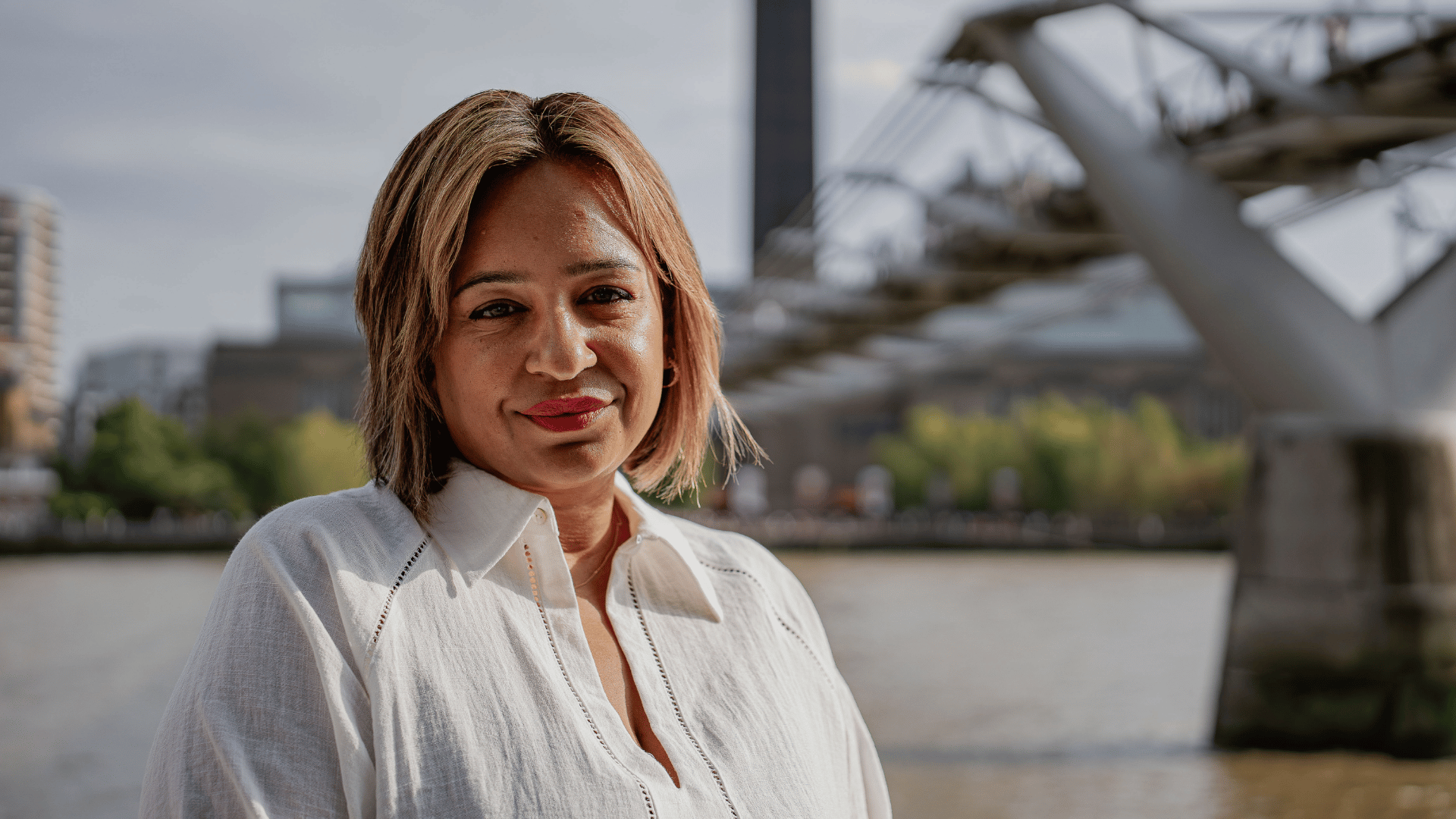
The world-class care East London deserves. We’re here for it.
Nell discovered a lump on the right side of her breast during a routine self-examination, whilst on holiday in Spain. She called her GP practice immediately and arranged for an urgent appointment as soon as got back to London. Her GP referred her to a specialist, which led to the discovery that she had triple negative breast cancer – aged 37.
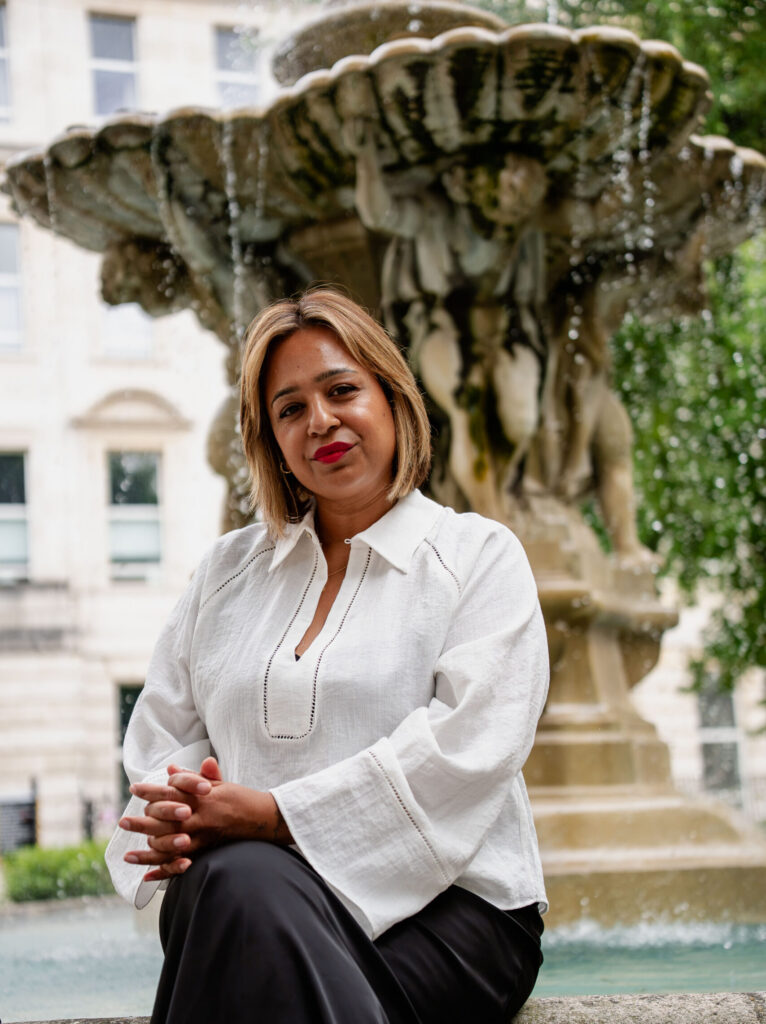
Nell, photographed at the St Bartholomew's Hospital square
Before her diagnosis
Before Nell received her diagnosis, she was a keen traveller who had designed her life to work remotely and travel for extended periods. It was during a trip around Andalusia that Nell discovered a lump the size of a cherry tomato, which seemed to appear overnight. Upon returning to the UK, Nell saw her GP, who referred her to a specialist, leading to a diagnosis of triple negative breast cancer.
Triple negative breast cancer is when the cancer cells do not have the common hormone or protein receptors found in breast cancer. It’s a rare, aggressive, and fast-moving type of cancer, with a high chance of recurrence.
Accounting for around 15 percent of breast cancers, it more often develops in women under 40 years and found to be more common amongst Black and South Asian women.
“Getting the diagnosis was absolutely devastating. I still have the day I was told on loop in my head. Everything went quiet and, slowly, my world started to implode. I was young, pretty healthy and fit, and with no family history – I absolutely didn’t see it coming
“It was a shock to know that I fit the profile for this type of cancer. Since I am young and there is no history of breast cancer in my family, it was not in my peripheral view that I could get it.
“Sadly, there’s a lot of shame and stigma in South Asian communities around breast cancer. There are still many barriers that are preventing women from these communities from presenting early with symptoms, barriers which include experiencing blame and embarrassment for a cancer diagnosis, not having agency over their bodies, patriarchal households, language barriers and more. Oftentimes women will find symptoms but not seek medical help which means that by the time that they do, it may have already progressed too far, which is utterly woeful.”
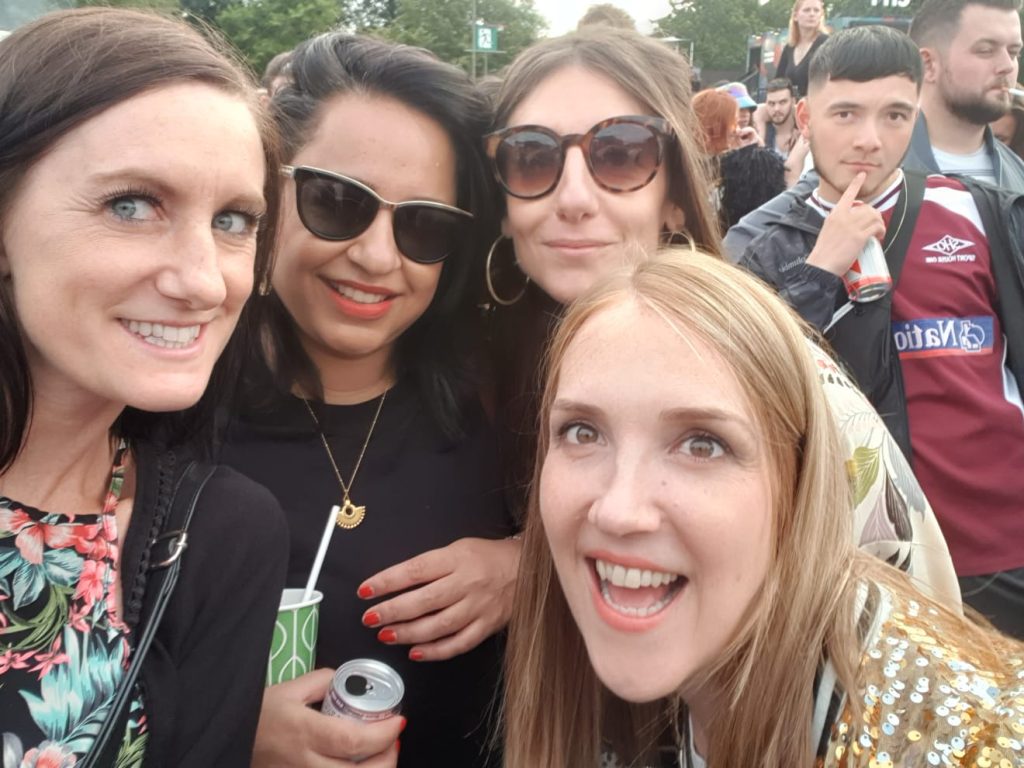
Nell with friends before her diagnosis
Diagnosis and treatment
After several examinations with doctors and specialists which led to her cancer diagnosis, Nell was told she would undergo 16 rounds of chemotherapy, followed by surgery and finally radiotherapy.
“My world fell apart, and nothing felt the same. I was dreading chemotherapy, I didn’t know anyone at the time that had gone through it, so my only point of reference was how it was presented in the media, which was very sickly-looking people.
“After my diagnosis and learning about my treatment plan, each day felt insurmountable. Having to think six months ahead filled with chemotherapy was unimaginable. My oncologist at St Bartholomew’s Hospital, Dr Kathryn Hawkesford, told me that because I had presented early, my chances of overcoming were much greater as the cancer had not spread. She believed in me and this gave me hope.”
“I want to give hope to women, that you can get through it. Life can continue and your body will bounce back. You will change inevitably throughout it, but you might even learn that these changes can be liberating,” Nell reflected.
“After I began chemotherapy at St Bartholomew’s Hospital, the anxiety quelled because I had my core medical team all under one roof who I built trust and rapport with.”Nell
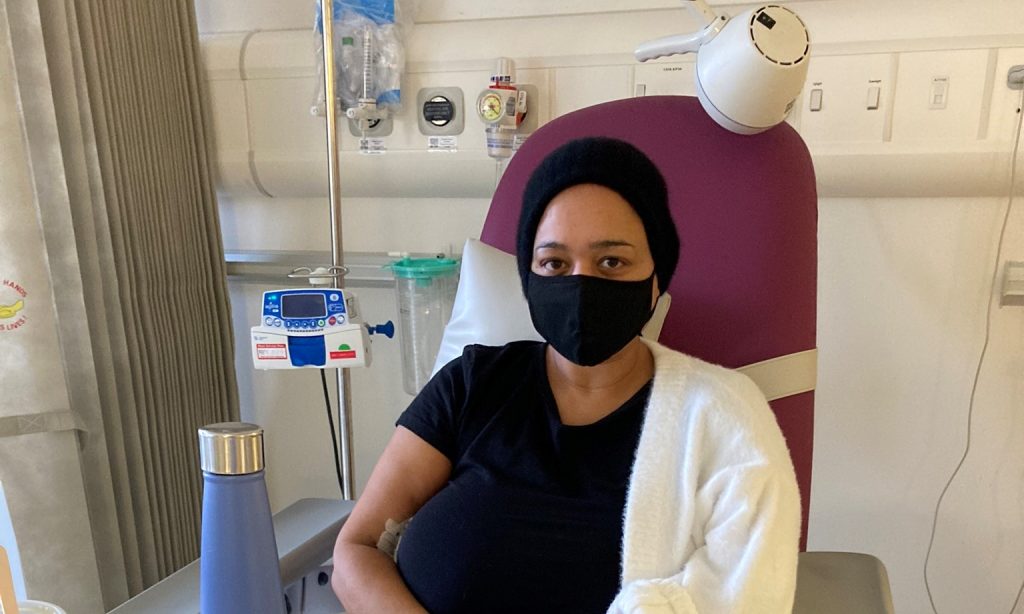
Nell receiving chemotherapy treatment at St Bartholomew's Hospital
Nell was given an accelerated chemotherapy treatment which caused hair loss, weight loss and side effects including intense fatigue and nausea. By the second round of chemotherapy, Nell could no longer feel the lump and by the fourth cycle, an ultrasound showed that the cancer had decreased significantly.
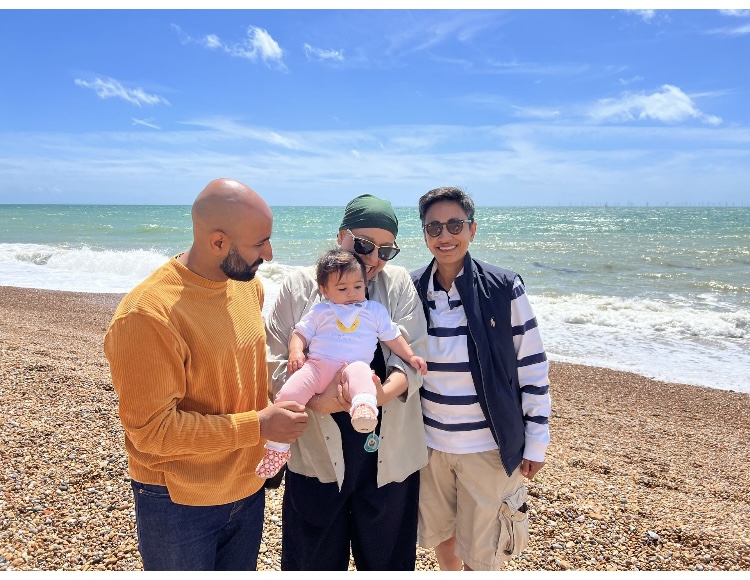
Nell with her family during treatment
Life now and what comes next
After completing chemotherapy, Nell went on to have a breast reduction. Two weeks after surgery, Nell was told that there was no evidence of breast cancer.
“The positive response I had to the treatment was massively encouraging. I feel huge gratitude for how I was treated by the team at the hospital and Dr Hawkesford who was a genuine supporter throughout.
“If this thing ever comes back – which is always a fear – I do find a little bit of comfort in knowing that there is going to be a dedicated Breast Cancer Centre at the hospital where I was treated, which is going to be run by the staff I was treated by.
“We need the Breast Cancer Centre in East London where the density of women affected by this cancer is high and consolidating services will play such a key role in the outcomes for patients like me. It’ll be a game changer,” shared Nell.
"Sadly, no one is above or below the gaze of cancer. I would implore everyone here to support the new Breast Cancer Centre. It will benefit the future of anyone living in London and beyond."Donate today
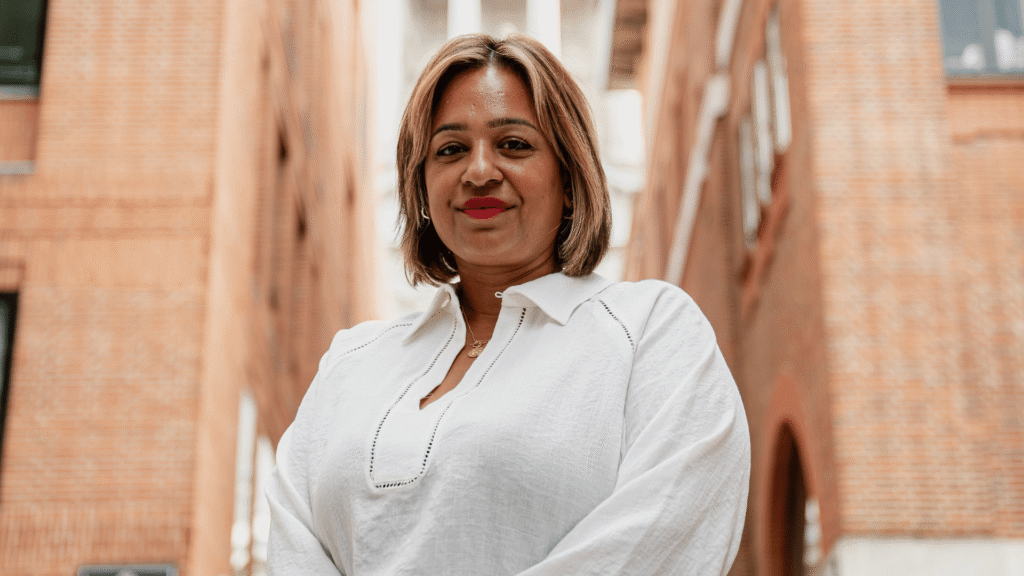
Nell today
Supporting our Here for it fundraising campaign
The people at the heart of our Here for it campaign, like Nell, are sharing their experiences to show what breast cancer can mean beyond a diagnosis, from treatment and recovery to family, uncertainty and the everyday moments that matter most.
By supporting this campaign, you can help Barts Charity invest in the people, research, equipment and innovations that improve breast cancer care before, during and after treatment across East London.
What are you here for?
“I’m here so the women in my community don't feel alone in this.”Nell
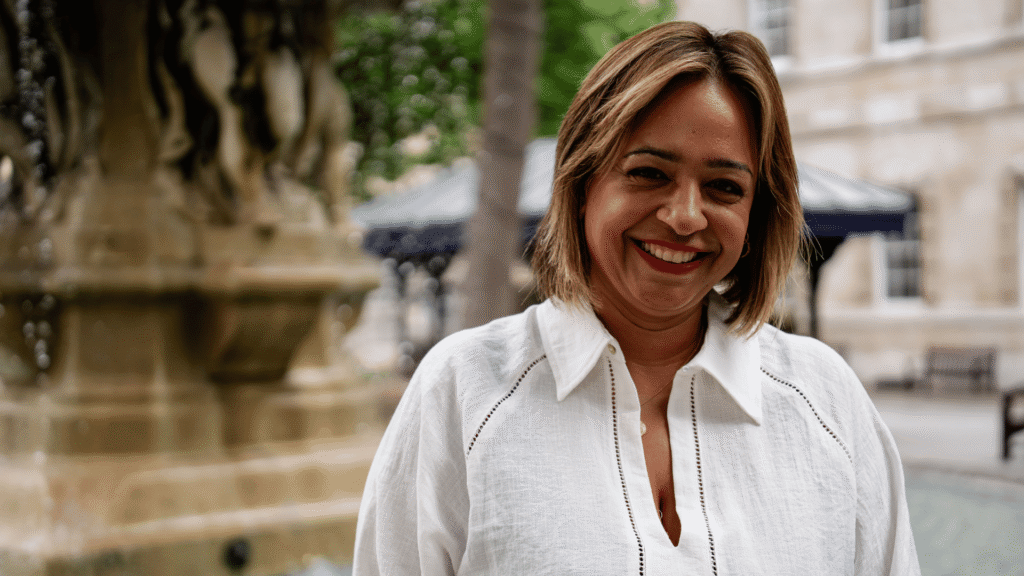
Nell today, photographed at the St Bartholomew's Hospital square
What the Breast Cancer Centre means for women like Nell
For Nell, knowing that specialist breast cancer care will be brought together at the Barts Health Breast Cancer Centre offers reassurance for the future.
“If this thing ever comes back – which is always a fear – I do find a little bit of comfort in knowing that there is going to be a dedicated Breast Cancer Centre at the hospital where I was treated, which is going to be run by the staff I was treated by”, shared Nell.
"We need the Breast Cancer Centre in East London where the density of women affected by this cancer is high and consolidating services will play such a key role in the outcomes for patients like me."Nell
Breast Cancer Centre will bring specialist care, research and support together, helping create a more joined-up experience for people throughout diagnosis, treatment and recovery.
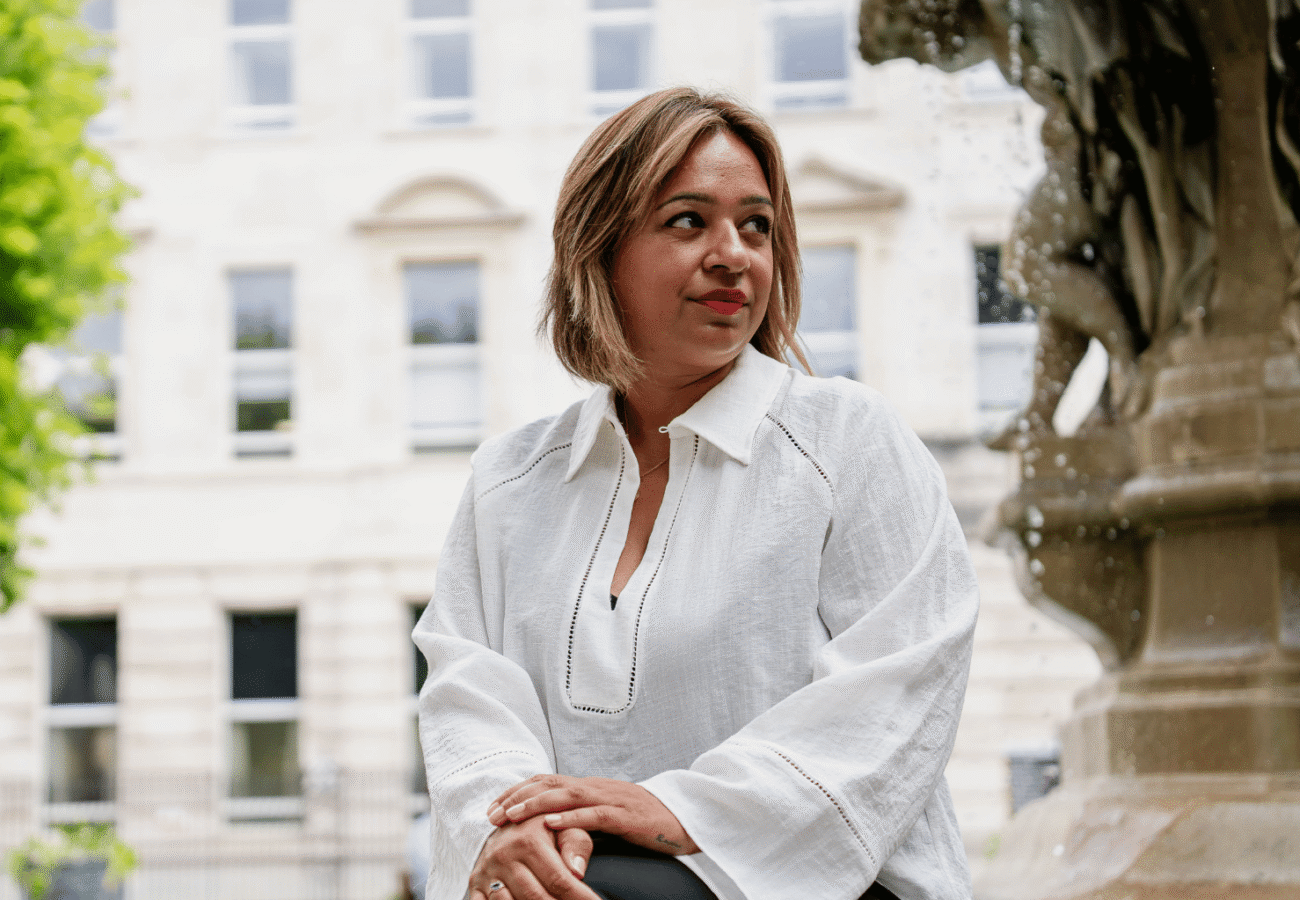
We're here for it. Are you?
Donate today and help more women like Nell be advocates for their communities.