

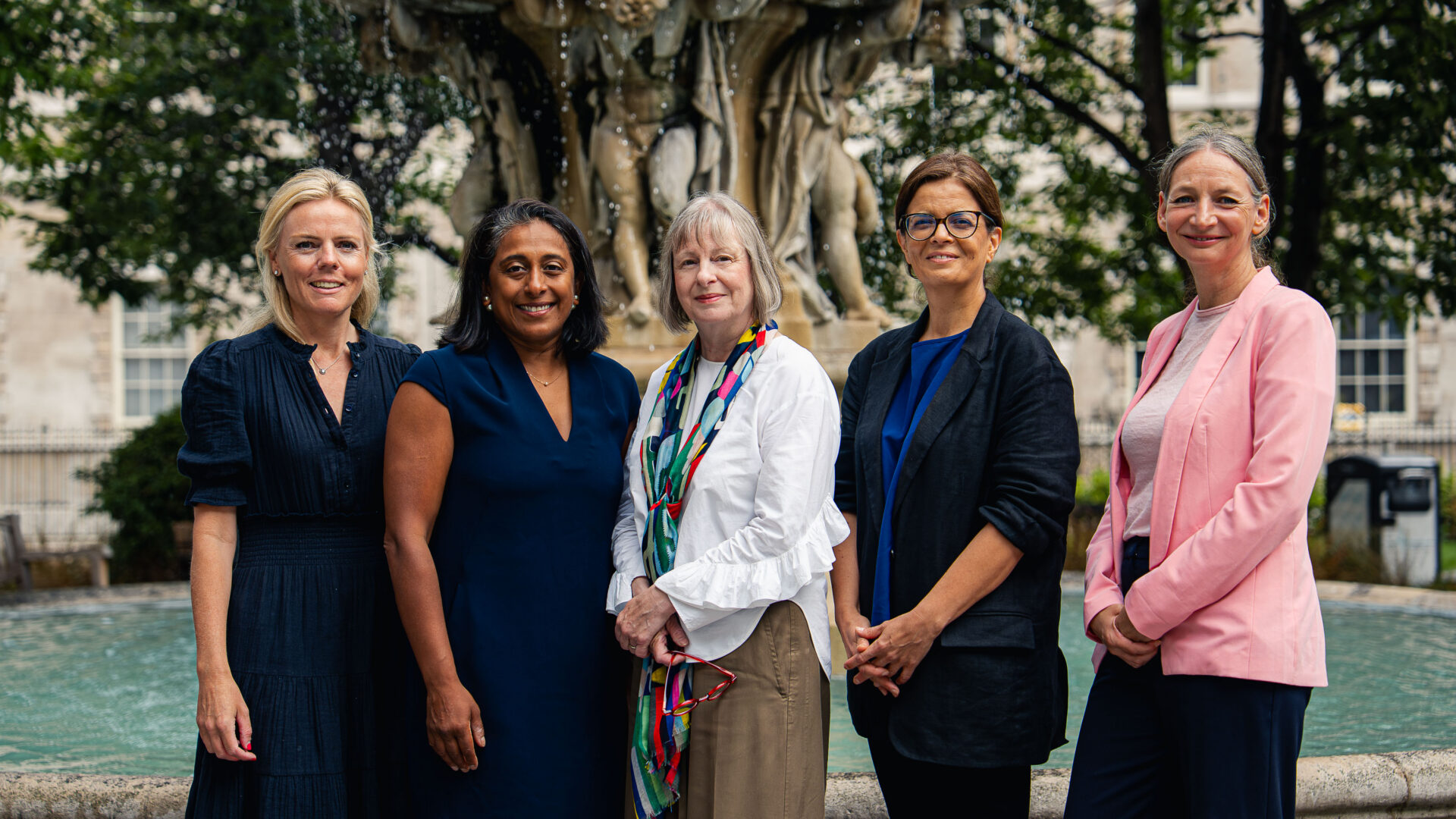
From pioneering new cancer treatments to making diagnosis faster and improving patients’ experiences, meet the women working to transform breast cancer care in East London and beyond.
Women in East London face some of the lowest breast cancer survival rates in the country. Many are diagnosed at a younger age, while women from some ethnicities face additional inequalities in diagnosis, treatment and outcomes. But a remarkable group of female clinicians and researchers are working to change that. And the thing bringing these women together is the new Barts Health Breast Cancer Centre, based at St Bartholomew’s Hospital.
From developing innovative new therapies to understanding why breast cancer affects different communities differently, meet just a few of the women helping to shape the future of breast cancer care.
Laura Johnson: improving access to breast cancer surgery
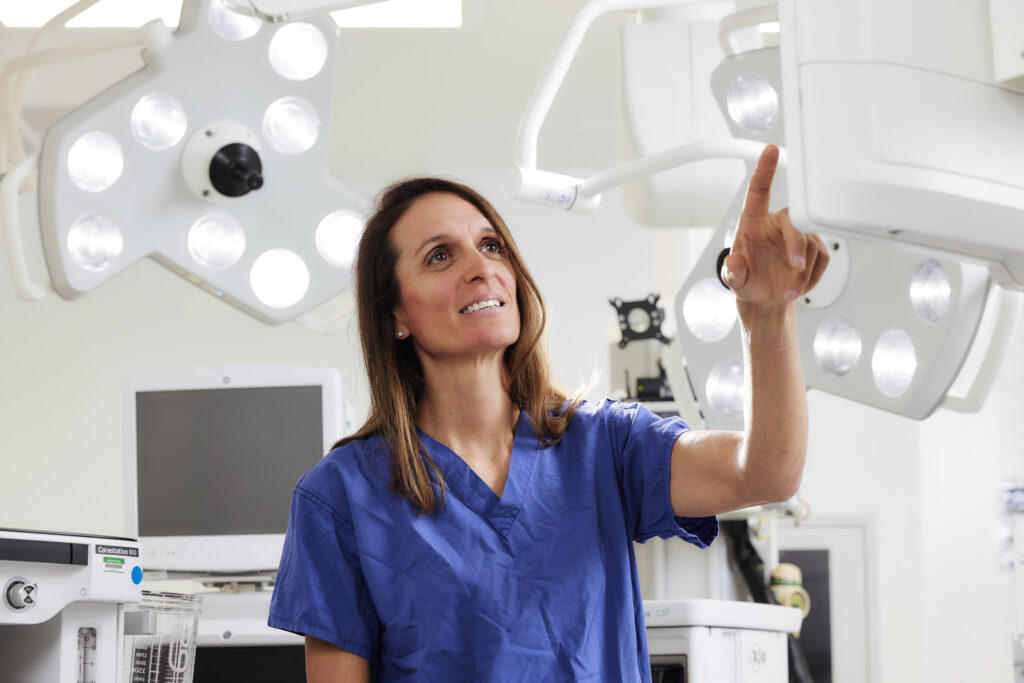
Laura Johnson
I'm here to try and make your breast cancer diagnosis better.Laura Johnson
Laura Johnson is the Surgical Lead at the Breast Cancer Centre.
For Laura, transforming breast cancer care means more than removing a tumour. It’s about ensuring every patient receives the best possible treatment while feeling supported, listened to and understood.
Previously, breast cancer surgery at Barts Health was delivered across the Trust, creating a complicated journey for patients already facing an incredibly difficult time.
Laura has helped lead the development of the new Breast Cancer Centre, bringing specialist surgical services together so patients can access the right treatment, at the right time, regardless of where they live.
Her commitment is also personal. Laura’s mother was diagnosed with breast cancer while she was at medical school, giving her an understanding of the impact the disease can have on an entire family.
For Laura, the Centre represents an opportunity to deliver the life-changing surgery she has spent her career training for, while ensuring patients feel confident and supported throughout their treatment.
Dr Melissa Phillips: bringing research and treatment closer together
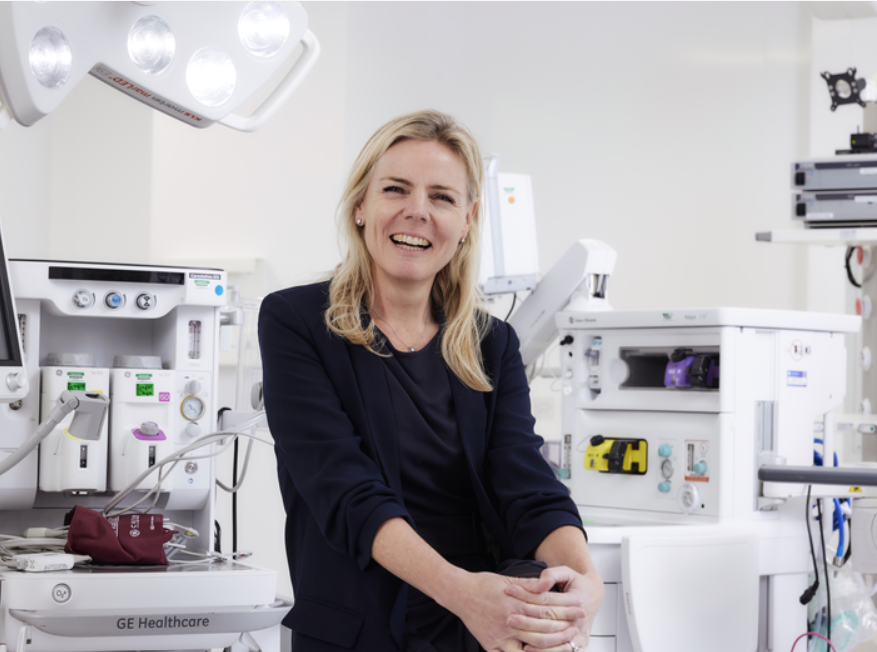
Melissa Phillips
I am here for transforming care.Dr Melissa Philips
Dr Melissa Phillips is the Consultant Oncologist and Transformation Lead at the Breast Cancer Centre. Over the past 15 years, she has seen extraordinary advances in breast cancer treatment, including clinical trials at Barts Health that have contributed to the approval of new medicines now benefiting patients internationally.
But she is determined to ensure that women in East London benefit equally from these advances.
Despite the area’s world-leading research, some local communities continue to experience poorer outcomes and remain underrepresented in clinical trials.
Melissa has been instrumental in developing a Centre that brings treatment and research closer together, creating more opportunities for women from different backgrounds to participate in studies that could shape future treatments.
She’s also passionate about improving patients’ experiences. Working with the Centre’s Patient Advisory Board, Melissa has helped introduce changes that give women more time and information when making important decisions about their surgery.
Her ambition is simple: to ensure that the breakthroughs happening in East London translate into better outcomes for the women who live here.
Professor Louise Jones: using AI to make breast cancer diagnosis fairer
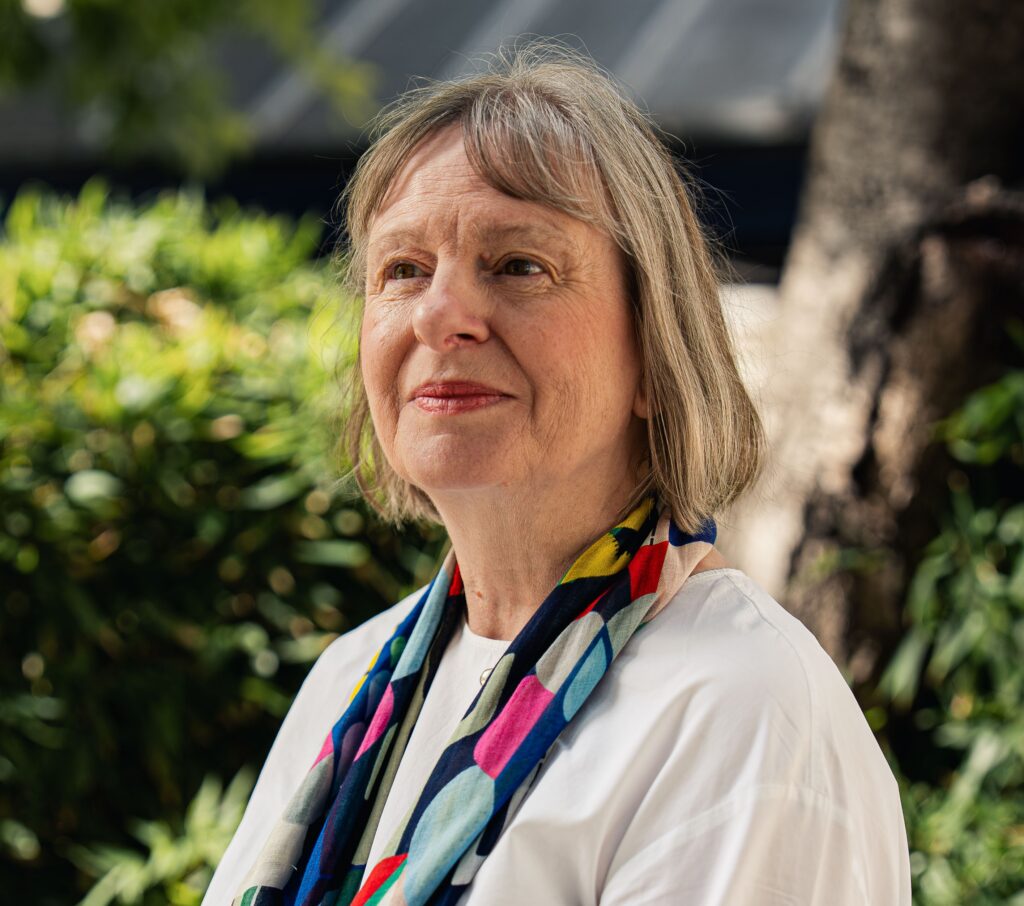
Louise Jones
I’m here to give women the opportunity to contribute to their own cure.Louise Jones
Louise Jones is Professor of Breast Pathology at Barts Cancer Institute. Her research asks: what if artificial intelligence (AI) could help doctors diagnose breast cancer more quickly and make specialist tests accessible to women?
Louise is involved in PharosAI, an initiative bringing together detailed cancer data to support the development of AI tools that could transform how breast cancer is diagnosed and treated.
Some existing diagnostic tests are expensive, meaning not every patient can access them. Louise hopes AI could eventually make certain tests faster, more affordable and more widely available, helping clinicians make earlier treatment decisions.
She’s also investigating why apparently similar breast cancers can behave differently in women from different ethnic backgrounds.
By studying differences within tumours and the surrounding cells, her team hopes to identify new approaches to diagnosis and treatment that better reflect the diversity of patients.
Barts Charity’s investment in the Precision Medicine programme and Barts Health Data Platform has helped lay the foundations for this work.
Professor Claude Chelala: understanding why breast cancer affects women differently
Claude Chelala
I’m here to make sure that our study design and our data are representative of all women in East London.Professor Claude Chelala
Claude Chelala is Professor of Bioinformatics at Barts Cancer Institute. For her, data has the power to reveal something that might otherwise go unnoticed: the women who are being left behind by cancer research.
Her work uses information from thousands of patients to understand differences in cancer risk, diagnosis and outcomes.
In one major study involving around 7,000 women, Claude and her colleagues identified important differences in breast cancer among women from different ancestral backgrounds, including evidence that some women of South Asian ancestry develop the disease at younger ages.
This matters because routine breast screening in England generally begins at 50, potentially missing cancers that develop earlier.
Claude is also involved in PharosAI, using NHS data to help researchers develop more personalised and equitable approaches to cancer care.
She believes East London’s extraordinary diversity presents an opportunity to address gaps in medical research, particularly where existing genetic reference data is heavily based on people of European ancestry.
Her ambition is to build a richer understanding of the genetics of East London’s communities, helping ensure that future advances in cancer care benefit everyone.
Professor Cleo Bishop: developing a potential treatment for basal-like breast cancer
Cleo Bishop
I’m here for breast cancer research.Cleo Bishop
Cleo Bishop is Professor of Senescence at the Blizard Institute at Queen Mary University of London. Together with her team, she is developing a pioneering approach to stop cancer cells growing, and then destroy them.
Known as the “one-two punch”, the approach aims to target basal-like breast cancer, an aggressive subtype that disproportionately affects younger women and women of South Asian and African ancestry. The laboratory research explores whether stopping cancer cells from dividing could make them vulnerable to a second treatment designed to destroy them.
The first punch works by restoring a signal that tells cancer cells to stop dividing. The second aims to exploit the vulnerabilities of the cancer cells in order to kill them.
With early funding from Barts Charity, Cleo’s team was able to explore this ambitious idea and develop molecules that could potentially form the basis of a future treatment.
The research is still at the laboratory stage, but the team has made encouraging progress towards developing molecules that could eventually be tested in clinical trials.
For Cleo, the ultimate ambition is to see these discoveries move from her laboratory into the Breast Cancer Centre, offering new hope to women with cancers that are particularly difficult to treat.
Tamara Suaris: finding new ways to diagnose and treat breast cancer
Tamara Suaris
Could some women with breast cancer one day avoid surgery altogether?
It’s one of the possibilities being explored by Dr Tamara Suaris, Consultant Radiologist at St Bartholomew’s Hospital. Her research focuses on improving breast imaging and developing less invasive treatments.
Tamara has helped introduce contrast-enhanced mammography, an imaging technique that can provide more detailed information about breast cancer and help clinicians plan treatment earlier.
It’s particularly valuable for younger women, whose denser breast tissue can make cancers more difficult to assess using conventional mammograms.
She’s also researching cryoablation, a technique that destroys small cancers by freezing them.
For some patients, this could eventually mean receiving treatment as an outpatient, avoiding a larger surgical procedure and returning home with minimal scarring and a shorter recovery.
Supported by Barts Charity, this research could help inform future clinical trials and potentially change how selected breast cancers are treated across the NHS.
Rowena Jackson: supporting women through breast reconstruction
Rowena Jackson
I'm here to support the patients whilst they're going through this huge reconstructive journey.Rowena Jackson
Breast cancer treatment doesn’t end when surgery is over. For many women, recovering their confidence and adjusting to changes in their bodies can be just as important. That’s where specialist breast reconstruction nursing makes a difference.
Rowena Jackson is the Clinical Nurse Specialist for Breast Reconstruction at St Bartholomew’s Hospital.
Working with patients before and after surgery, Rowena provides individual counselling, helping women understand their options, prepare for recovery and feel confident making decisions about their care.
She also helps run a specialist micropigmentation clinic, restoring the appearance of the nipple and areola following breast reconstruction.
Her role, initially funded by Barts Charity, has helped patients receive more personalised support. Reported outcomes from the project included a reduction of more than half in visits to A&E following surgery and more than 70% in unplanned hospital readmissions.
For Rowena, who lives in East London herself, the work is about supporting the community she’s part of and helping patients feel cared for, not just during treatment but for months and years afterwards.
Transforming breast cancer care, together
These clinicians and researchers work across Barts Health NHS Trust and Queen Mary University of London, sharing an ambition to improve breast cancer care for East London’s communities.
The new Barts Health Breast Cancer Centre at St Bartholomew’s Hospital, made possible thanks to funding from Barts Charity, brings specialist services closer together. Alongside research taking place at Queen Mary University of London, it creates opportunities to improve care today and develop approaches that could benefit patients in the future.
Discover more about the breast cancer research we’re funding in East London, and how these discoveries could help improve diagnosis and treatment.
We're here to support breast cancer care. Are you?
Help us bring more tranformational breast cancer care to East London and beyond.