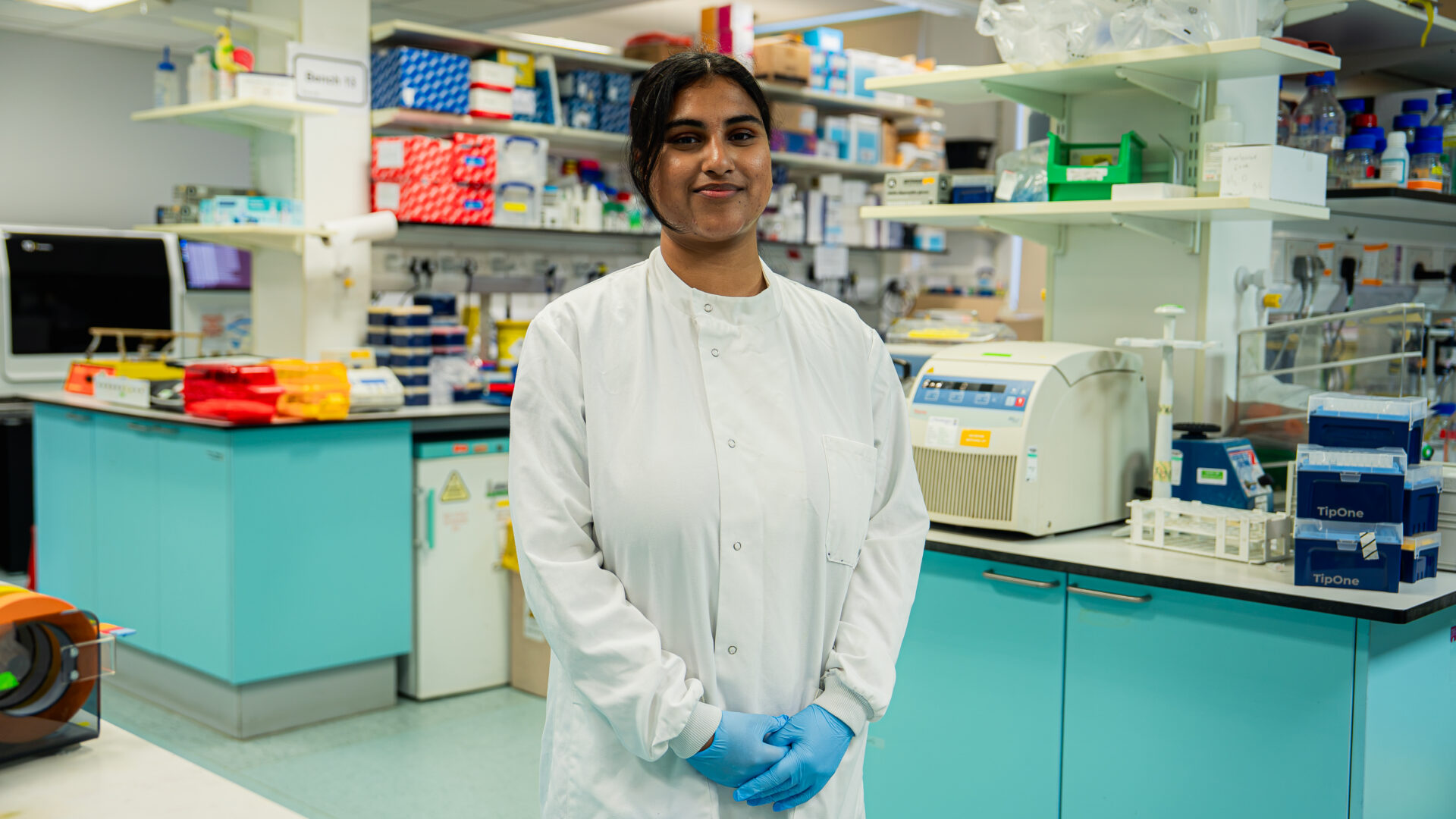
With support from Barts Charity, researchers in East London have been making discoveries that could help make breast cancer care more personalised and equitable in the future.
On World Cancer Research Day we’re shining a light on the research taking place in East London that will be changing lives locally and globally.
Breast cancer isn’t the same for everyone
Historically, most genetic cancer research has involved people of European ancestry. That means our understanding of breast cancer risk, diagnosis and treatment may not represent everyone. This is an important issue in East London, which is home to one of the UK’s most diverse populations. Research that better reflects our local population has the potential to improve breast cancer care for people far beyond East London.
As part of a wider Barts Charity investment, we supported research led by Professors Claude Chelala and Louise Jones at Queen Mary University of London.
Their research found significant differences in breast cancer between women from different backgrounds. Women of South Asian ancestry were diagnosed nearly seven years earlier than women of European ancestry and died around 13 years younger.
Women of African ancestry were diagnosed around five years earlier and died nearly nine years younger. The researchers also identified genetic differences that could affect diagnosis and treatment.
The findings, published in Nature Communications, add to growing evidence that approaches to breast cancer screening and treatment need to better reflect the people they are designed to help.
The team has continued this work, including research into cancer among British Bangladeshi and Pakistani communities, and is now analysing healthcare records from around 100,000 people who have attended breast assessment clinics at Barts Health.
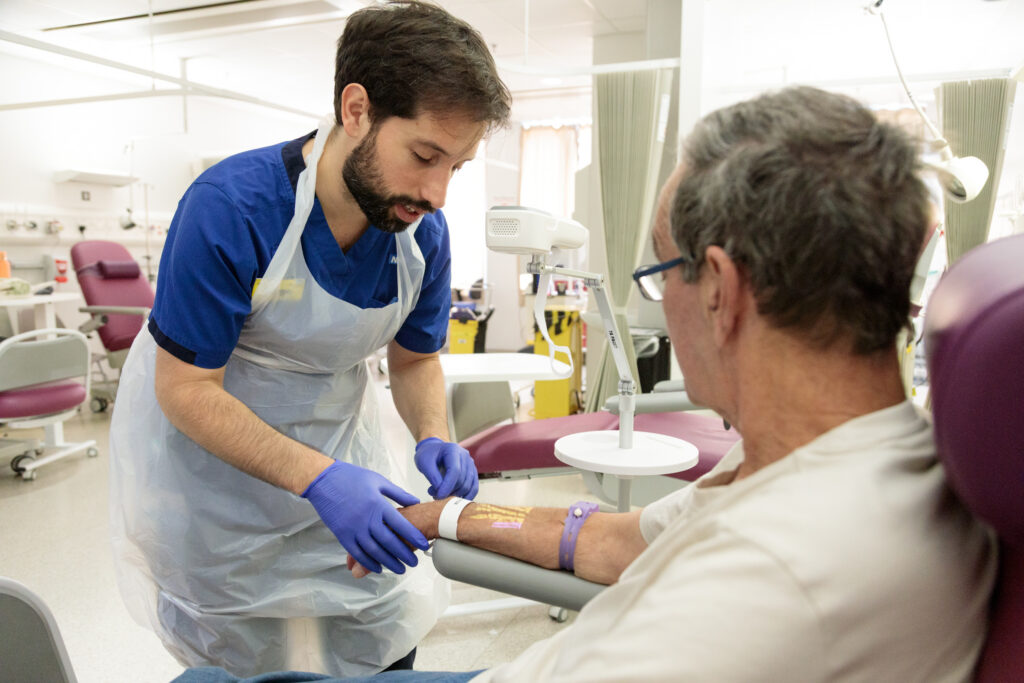
A patient at St Bartholomew's Hospital getting a blood test.
Monitoring breast cancer through a blood test
Our funding has also helped researchers investigate whether a simple blood sample could provide doctors with up-to-date information about someone’s cancer.
Cancer can change over time, meaning a tumour sample taken when someone is first diagnosed may no longer give doctors the full picture later in their treatment. Taking repeated biopsies can provide newer information, but this is invasive and isn’t practical for many patients.
Barts Charity awarded Professor Peter Schmid and his team £499,000 to investigate biomarkers circulating in patients’ blood, including tiny fragments of DNA released by tumours.
The researchers developed a way to detect tumour-specific patterns in blood before treatment. By looking for genetic mutations and other changes in DNA, their approach was able to detect cancer in almost all patients in the study group. The work also laid foundations for breast cancer samples to be collected and studied for circulating biomarkers in future clinical trials.
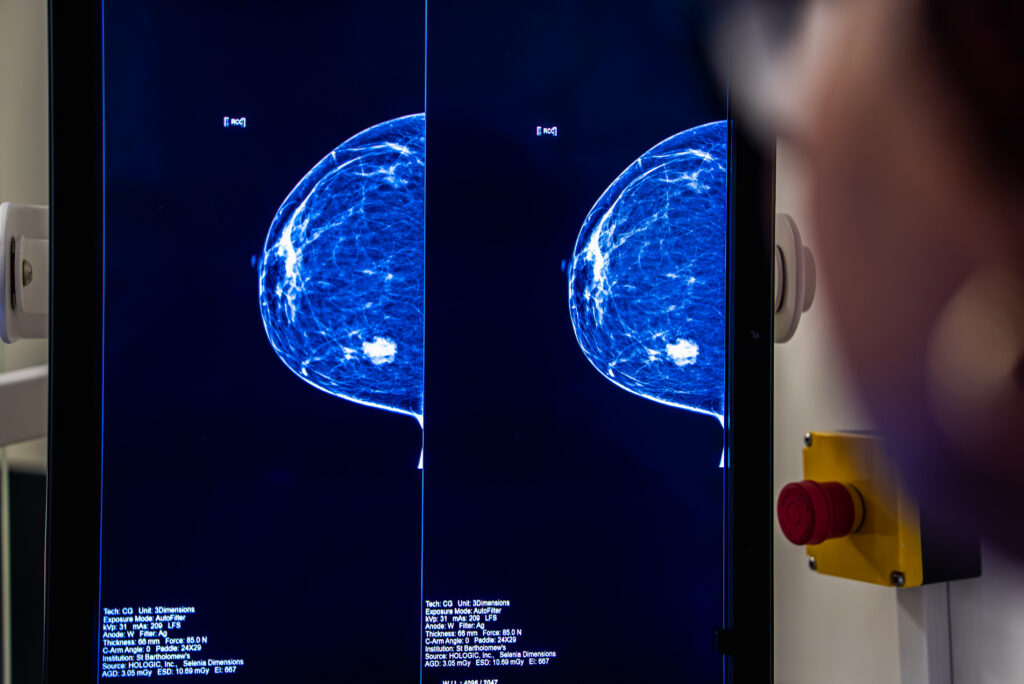
A mammogram done at St Bartholomew's Hospital.
Understanding why breast cancer can behave differently
Professor Kairbaan Hodivala-Dilke and her team have been investigating another important question: whether differences in the biology surrounding a tumour could help explain why breast cancer behaves differently between people from different ethnic backgrounds.
With Barts Charity seed funding, the researchers studied breast cancers from South Asian British, Black British and White British women. Their early findings identified molecular changes that were specific to South Asian or Black British patients. Some of these differences were also linked to the likelihood of the cancer returning.
The team is now creating a detailed map of these differences, helping to build our understanding of breast cancer biology in populations that have historically been underrepresented in research.
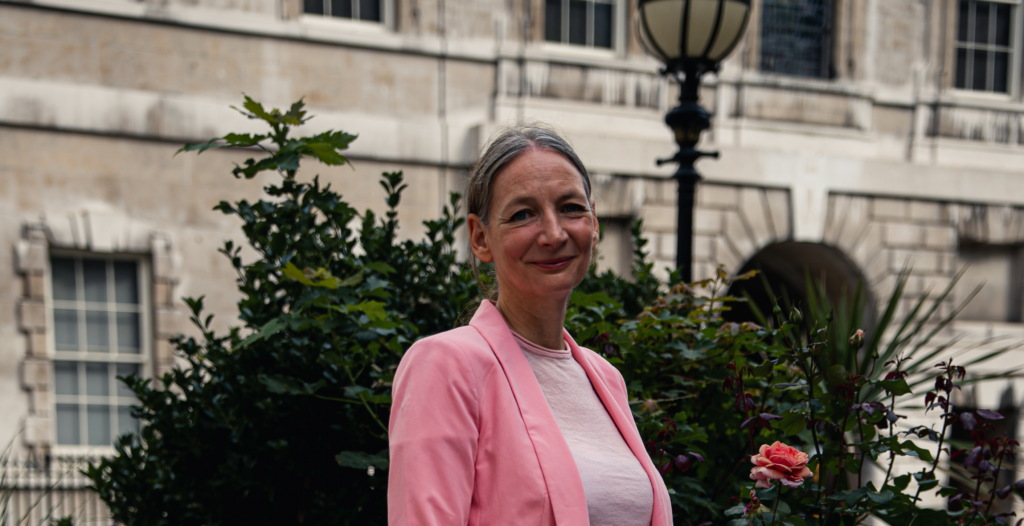
Professor Cleo Bishop, who leads the "one-two punch" approach.
Finding new ways to attack aggressive breast cancer
Our funding has also helped researchers explore potential new treatments.
Professor Cleo Bishop and her team have been investigating basal-like breast cancer – an aggressive form of the disease that often affects younger people and is more common among people from African and South Asian backgrounds.
Working with the Drug Discovery Unit at the University of Dundee, the researchers developed a new “one-two punch” approach. The first step stops cancer cells from growing. This makes them vulnerable to a second treatment designed to kill them.
The research has progressed beyond the original Barts Charity-funded project. The team is now working to identify industry partners to take this work forward to the next stage in the development pipeline.
Understanding breast cancer better
These are very different areas of research, but they share an important goal: understanding breast cancer better so that, in the future, more people can benefit from earlier diagnosis and treatments tailored to them.
The Breast Cancer Centre will have a huge impact on research locally by:
- Bringing research and patient care closer together, turning new discoveries into better ways to diagnose and treat breast cancer
- Giving more local people access to clinical trials and promising new treatments, so East London patients can benefit from advances in breast cancer research