

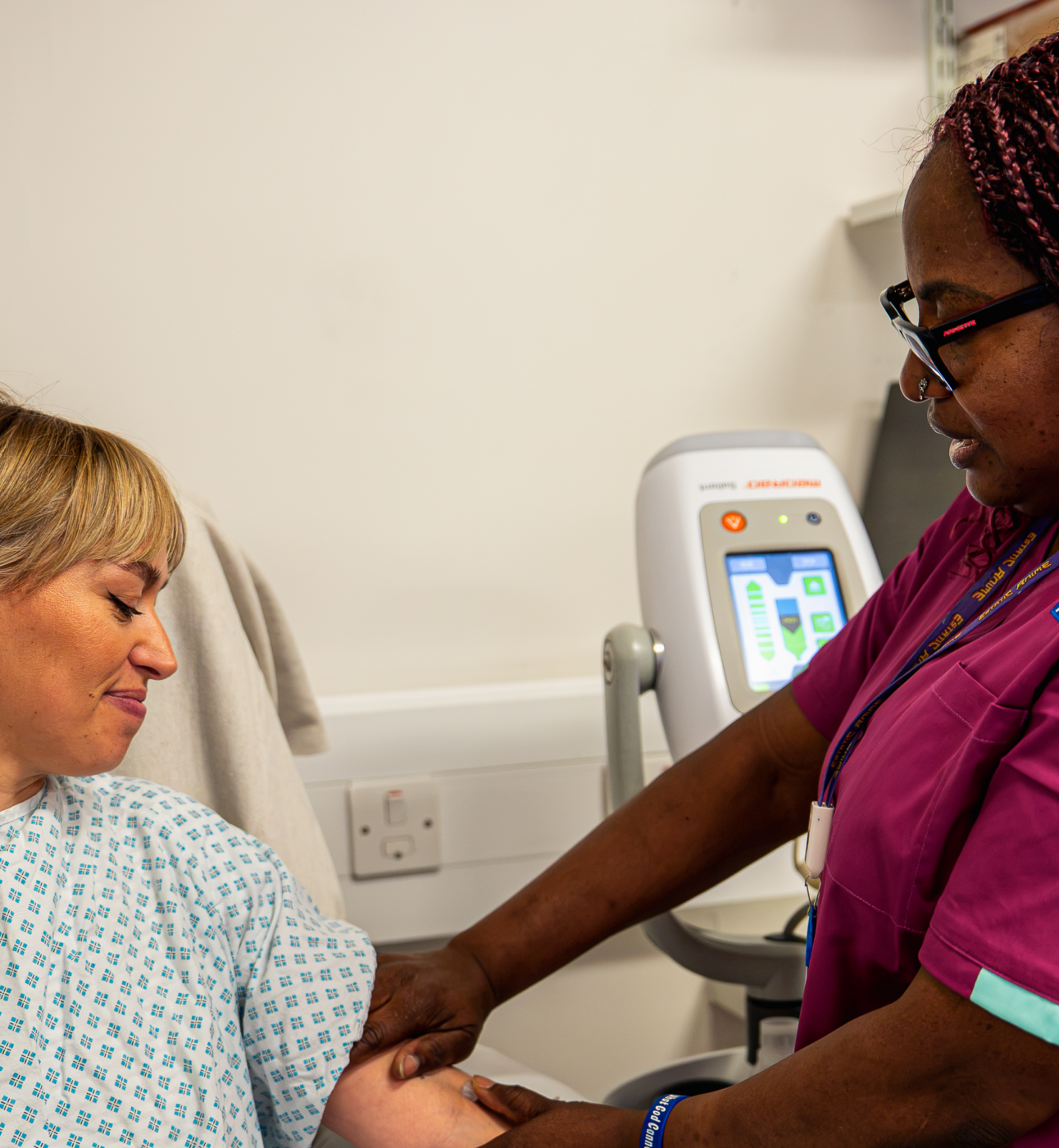
How healthcare grants are transforming breast cancer care
From getting a faster diagnosis to recovering from surgery, relatively simple changes can make a significant difference to someone's experience of breast cancer.
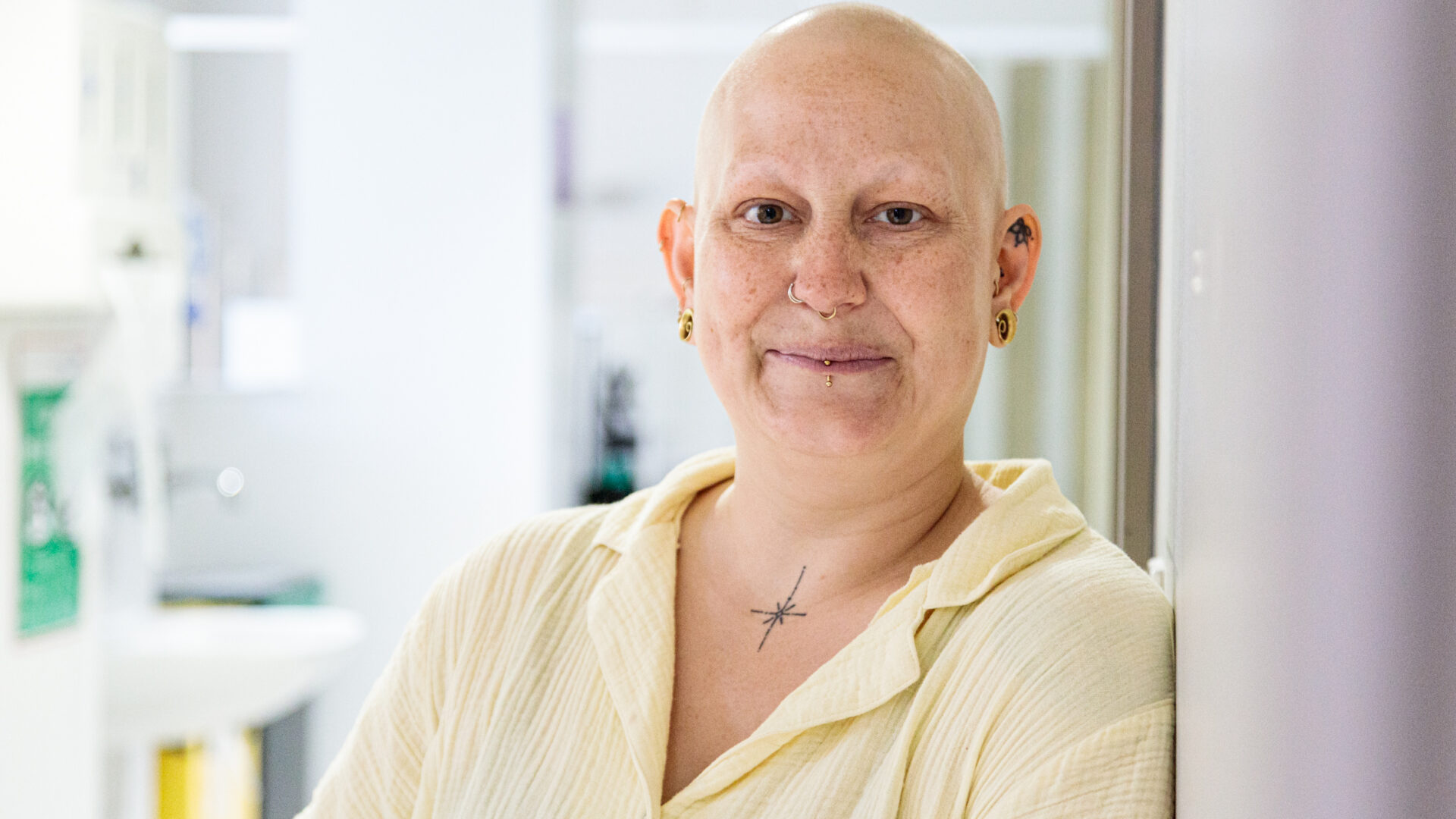
When Jess was diagnosed with breast cancer, she took part in a clinical trial for an innovative chemotherapy treatment.
Just four months after giving birth to her daughter, Jess was diagnosed with triple negative breast cancer at the age of 37.
At St Bartholomew’s Hospital, she was offered the opportunity to take part in a clinical trial for an innovative antibody-drug conjugate. After just five rounds of treatment, a halfway scan showed an almost complete response.
Just a few months after giving birth to her daughter, Jess was breastfeeding when she noticed a tiny, pea-sized lump in her breast.
Jess felt the lump again in the shower. This time, it was bigger and wouldn’t disappear. She made an appointment with her GP after Christmas and was referred to hospital for further tests. By the third week of January 2026, at just 37 years old and with a four-month-old baby, Jess was diagnosed with triple negative breast cancer.
The news came as a huge shock to Jess, but one of the hardest parts of the diagnosis was learning that she would have to stop breastfeeding immediately. “I was distraught about having to stop my breastfeeding journey only four months in when I planned to do a whole year,” she says. “It felt like an extra kind of jab for the heart really.”
Jess was referred to St Bartholomew’s Hospital for chemotherapy, where her oncologist offered her the opportunity to take part in a clinical trial for a new antibody-drug conjugate.
The treatment is designed to target cancer cells more precisely, delivering chemotherapy directly to them while limiting its effect on healthy cells. While there have been difficult side effects, she has been surprised by how well she has felt throughout much of her treatment.
"You get told that you've got cancer and you immediately see visions of the 80s where people were like skeletons and deathly ill. There were a few unpleasant side effects, but I had my energy, I was able to eat, I was able to be there for my daughter,”Jess
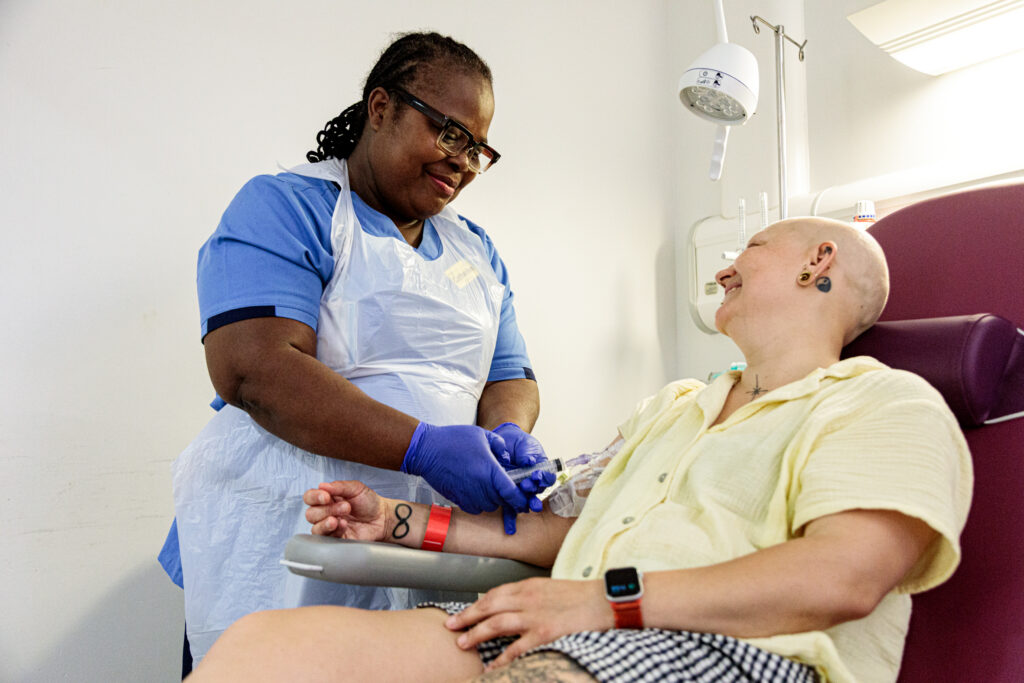
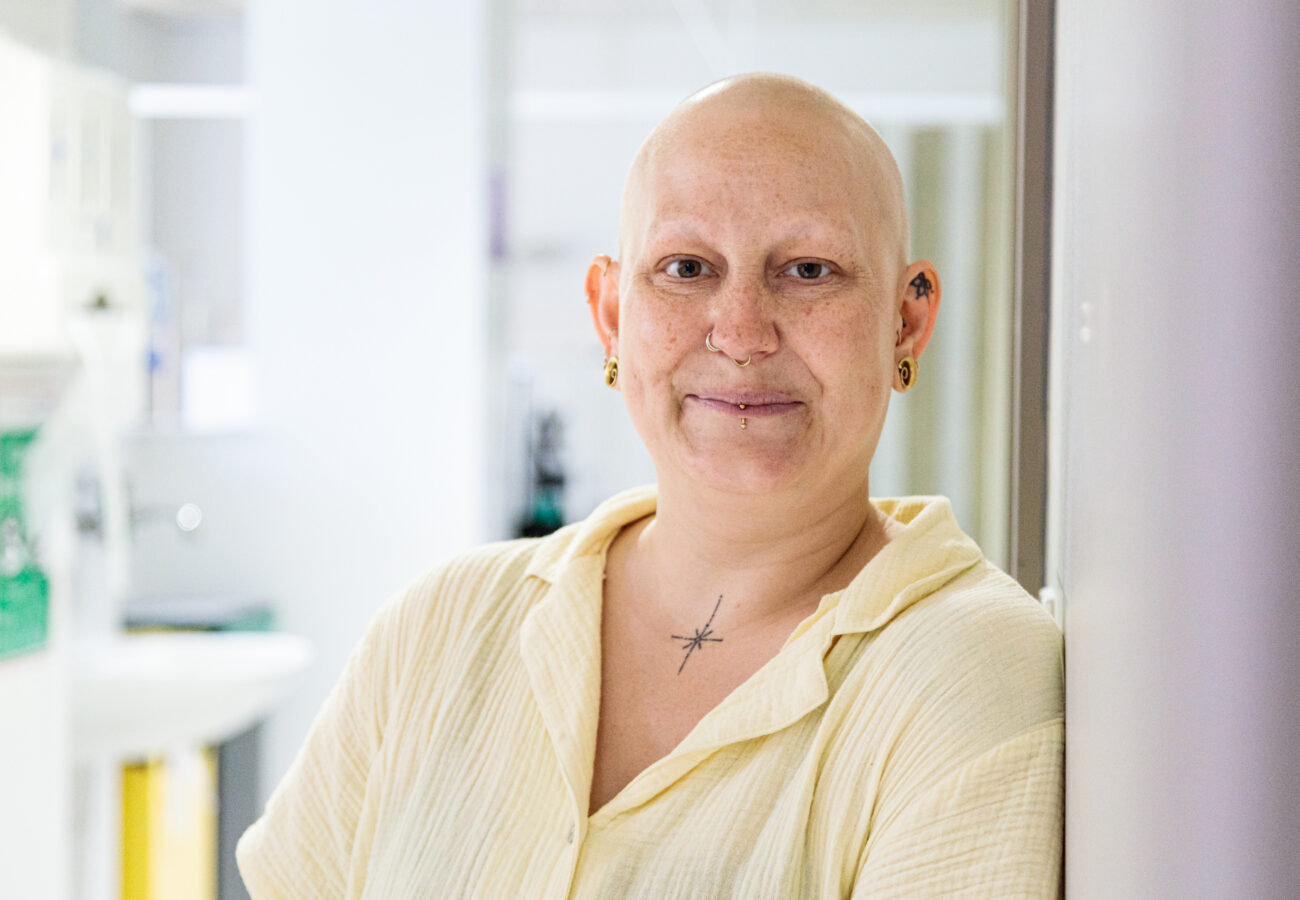
Jess being treated at St Bartholomew's Hospital
After just five rounds, a halfway scan brought extraordinary news: her tumour had shown an almost complete response. She still needs surgery, followed by chemotherapy and radiotherapy, but is feeling positive about the future with her family.
Currently, Jess’s care is divided between Homerton and St Bartholomew’s hospitals. Although the teams communicate well, she says having everything together in one place would make a difficult experience that little bit easier.
That’s why Jess is excited about the new Breast Cancer Centre at St Bartholomew’s Hospital, which will bring more breast cancer services together and create further opportunities for research and clinical trials.
“I was very thankful to be offered it really,” she says. “Without it, my prognosis and chances of reoccurrence were likely to be much worse. I feel very blessed.”
Having experienced first-hand what access to a trial can mean, she hopes more patients will have the same opportunities in the future.
“The more trials that we can get going, the better life expectancy people have and the more they can thrive,” she says. “How can that ever be bad?”
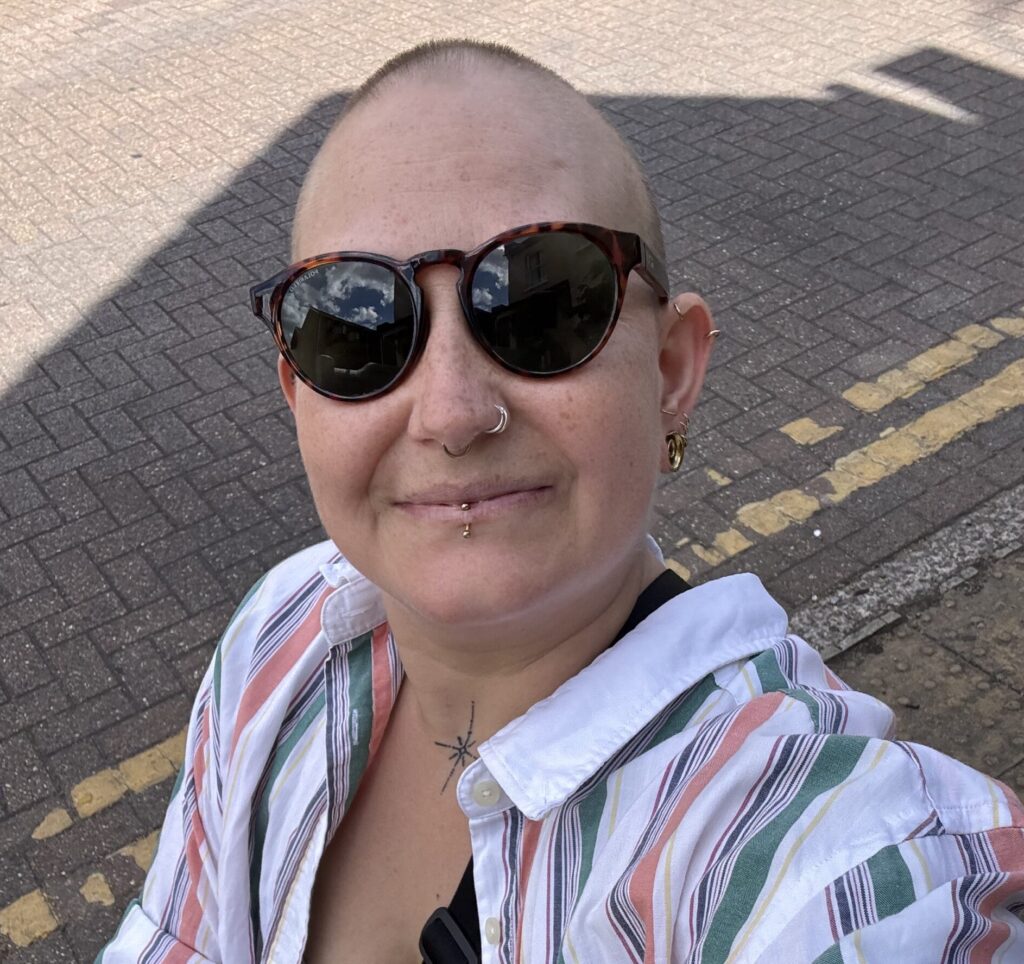
Jess has been amazed by the results of her treatment so far
The people at the heart of our Here for it campaign are sharing their experiences to show what breast cancer can mean beyond a diagnosis, from treatment and recovery to family, uncertainty and the everyday moments that matter most.
By supporting this campaign, you can help Barts Charity invest in the people, research, equipment and innovations that improve breast cancer care before, during and after treatment across East London.
By donating to Barts Charity, you can help fund world-leading research and care for those who most need it, helping change the future of breast cancer care in East London and beyond.
From getting a faster diagnosis to recovering from surgery, relatively simple changes can make a significant difference to someone's experience of breast cancer.
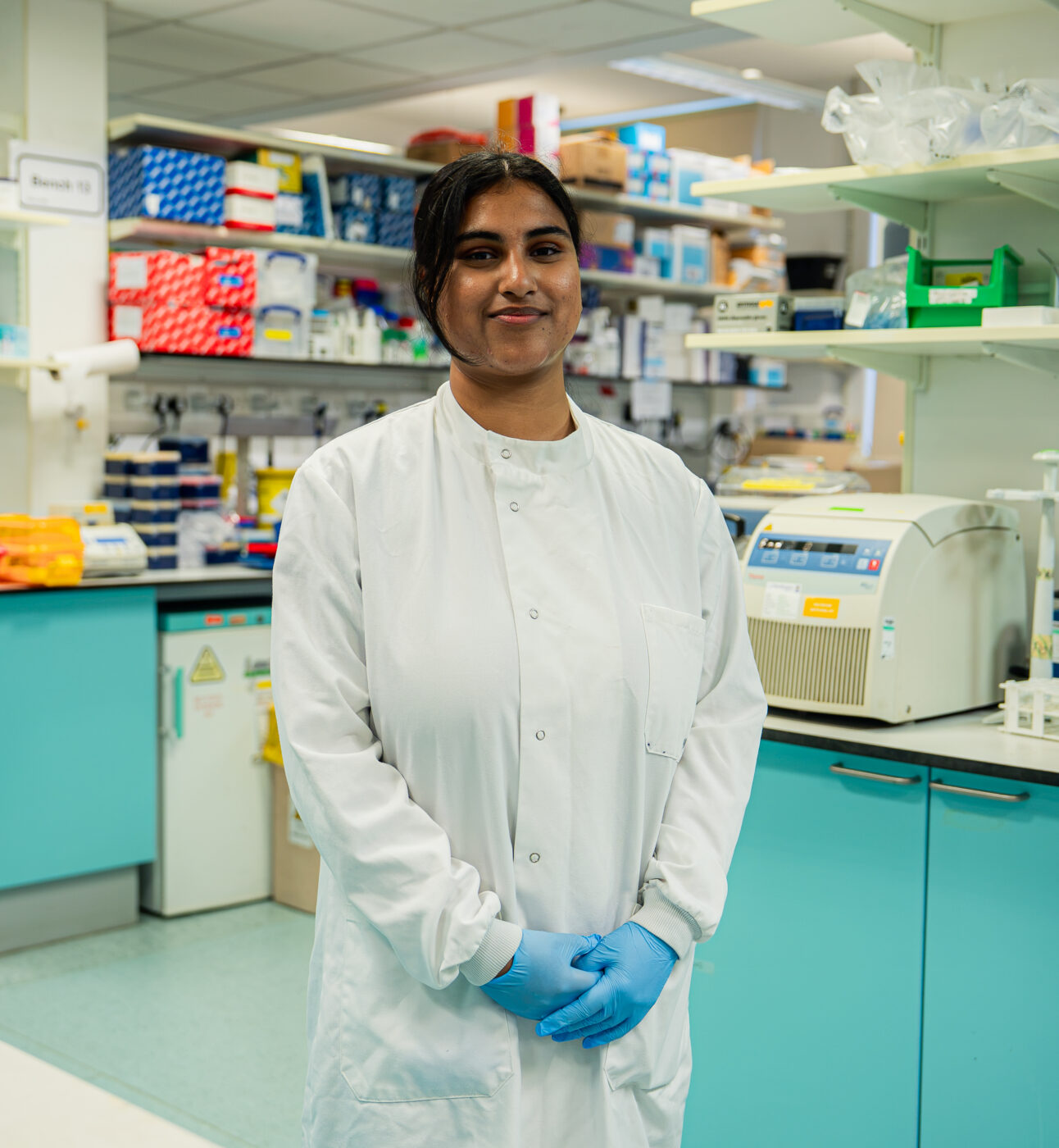
With support from Barts Charity, researchers in East London have been making discoveries that could help make breast cancer care more personalised and equitable in the future.
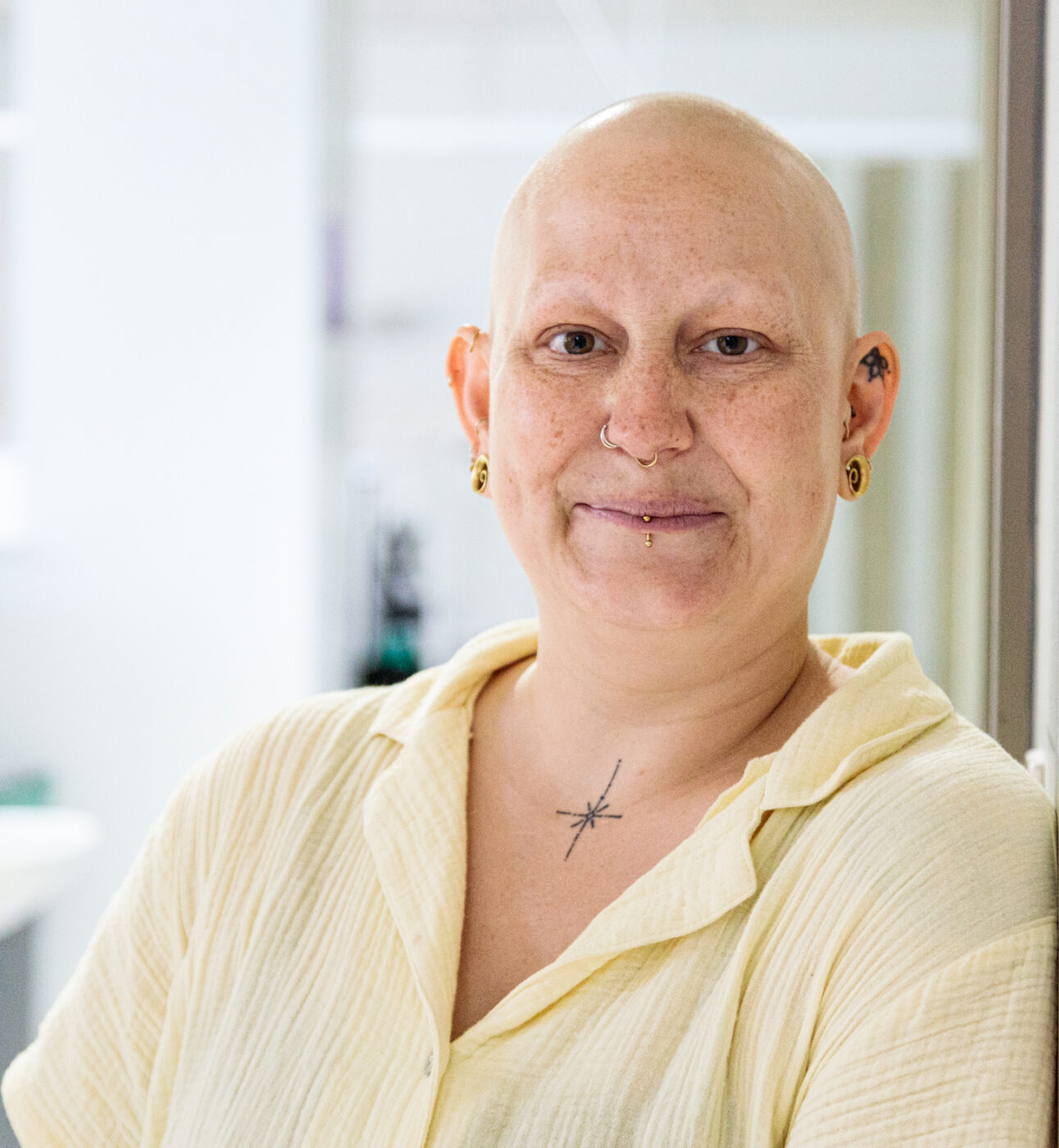
When Jess was diagnosed with breast cancer, she took part in a clinical trial for an innovative chemotherapy treatment.