

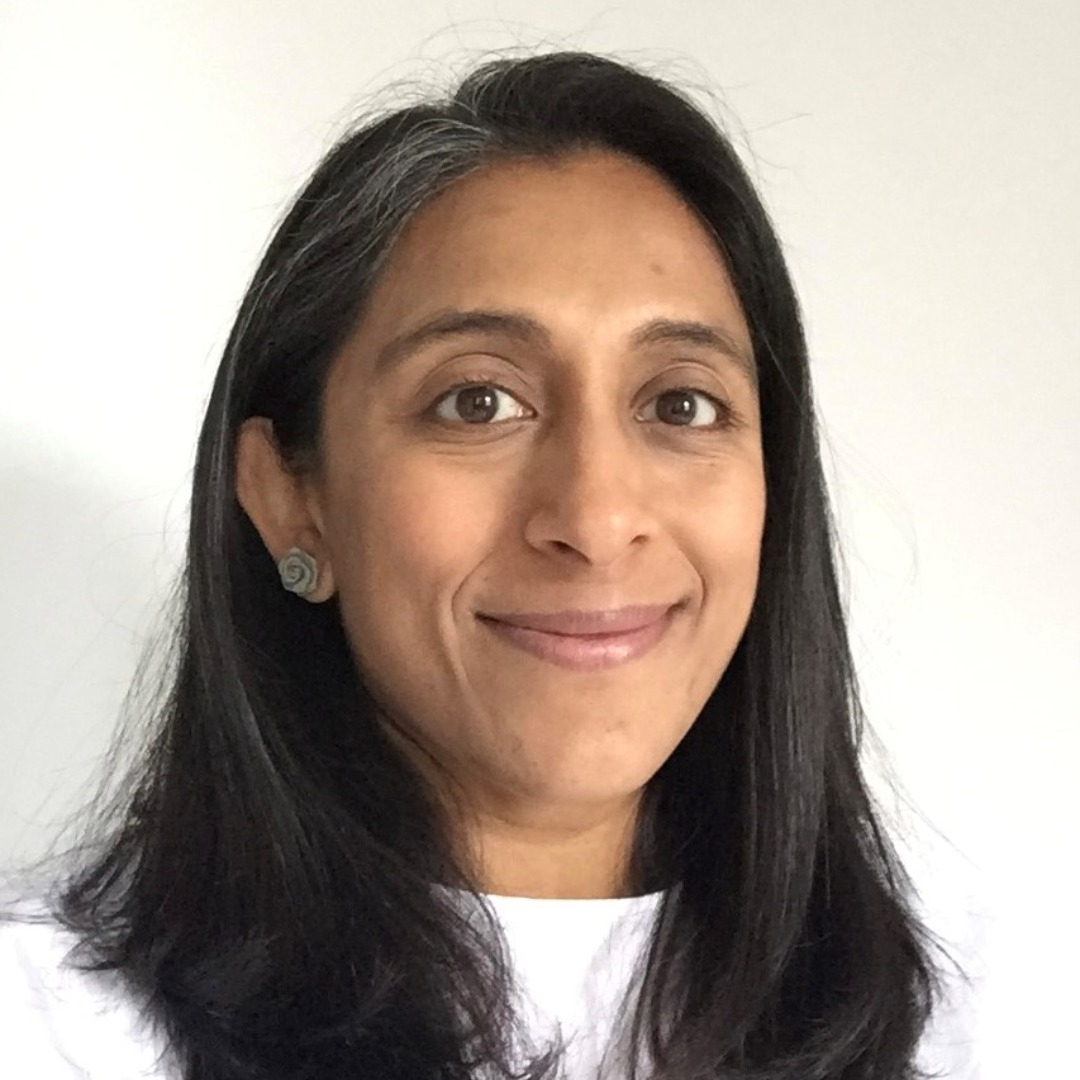
Detecting cancer in women with dense breast tissue
Hear from Dr Suaris - Consultant Radiologist at St Bartholomew's Hospital who is working on finding a better early diagnosis experience for women with dense breast tissue.
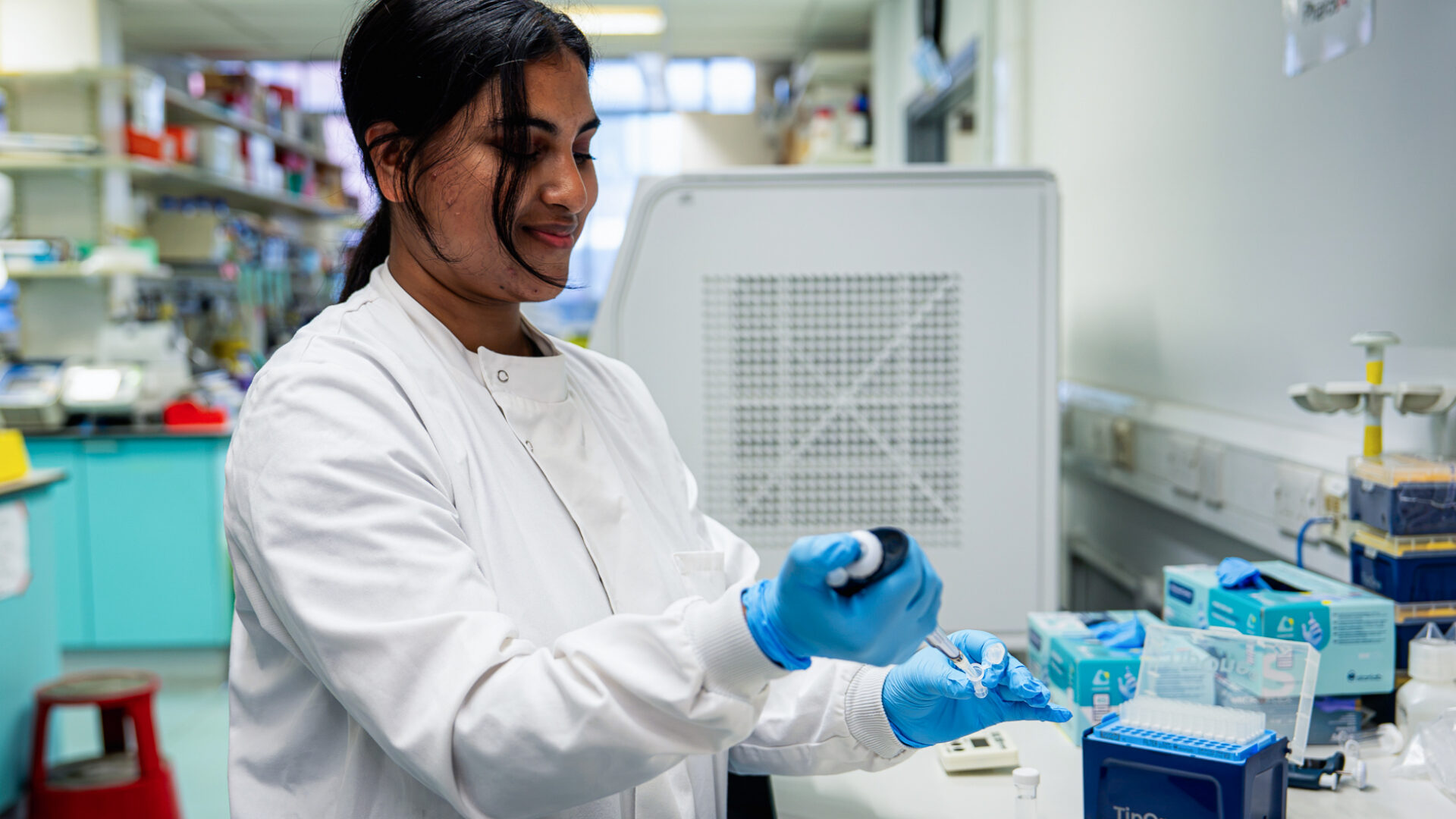
Investing in research that reflects the needs of our diverse East London community.
The new Barts Health Breast Cancer Centre will have a big impact on research. By making research part of everyday breast cancer care, it will mean new discoveries can be tested and used to improve how breast cancer is diagnosed and treated locally.
Breast cancer outcomes in East London remain among the poorest in the country, making research that reflects local patients and communities especially important.
Through the Breast Cancer Centre, we can bring research closer to everyday care, give more people opportunities to take part in clinical trials and support discoveries that could improve diagnosis, treatment and personalised care in East London and beyond. Your donations can help make this research possible.
We‘re here to work with our partners at Barts Health NHS Trust and Queen Mary University of London to invest in research that can make a real difference to people with breast cancer. Together we want to create healthier lives for the people of East London.
Professor Peter Schmid, Professor of Cancer Medicine and Director of the Barts Health Breast Cancer Centre, shares what it means to be here for patients today, while developing the treatments that could change what a breast cancer diagnosis means tomorrow.
Meet three of the researchers who are working hard to change how breast cancer is detected, treated and understood - in East London and beyond.
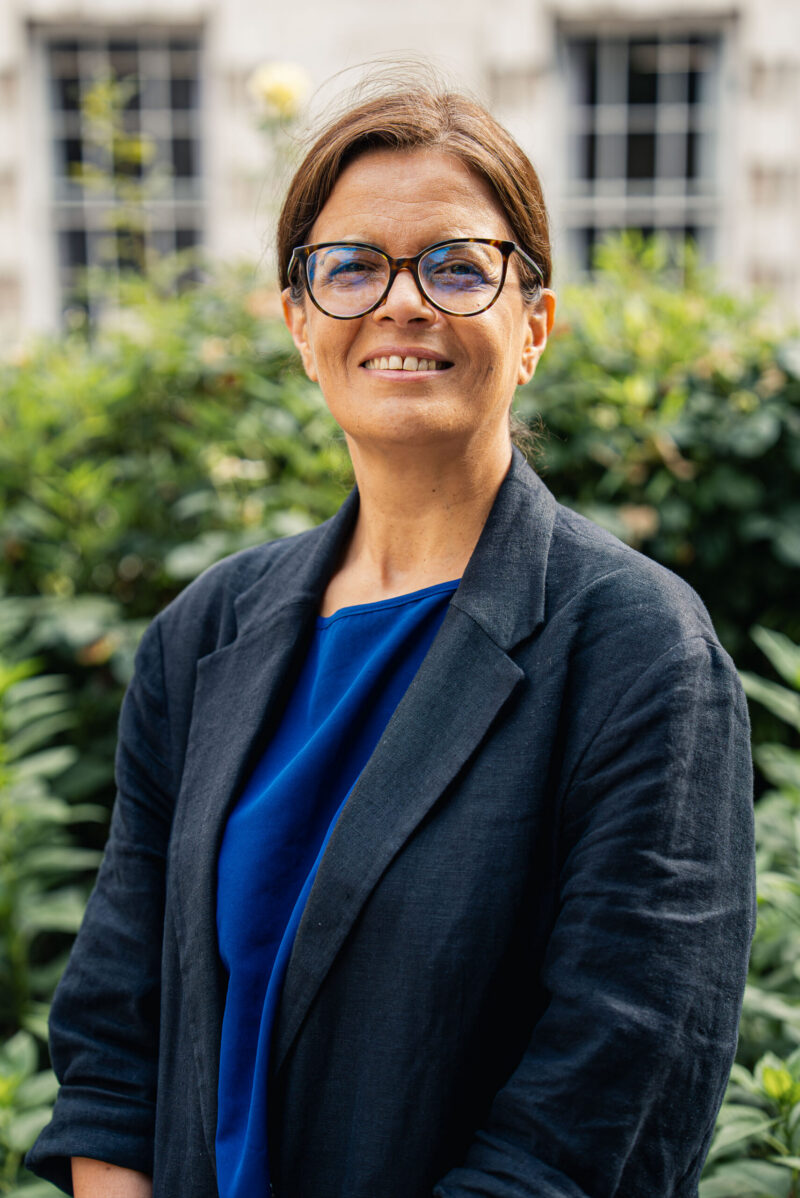
I’m here to make sure that our study design and our data are representative of all women in East London
What has kept me in breast cancer research for the last 20 years? My colleagues, inspiring clinicians, patients who, when they are diagnosed with breast cancer, say ‘use our data, use our samples, because it would make a difference to someone else’.
Women from African and South Asian backgrounds can develop breast cancer younger than women of European ancestry, yet they remain underrepresented in cancer research. This means much of what we know about cancer risk, screening and treatment may not represent everyone.
With our support, Professor Claude Chelala and her team are using genetic and health data to understand these inequalities. Their research has revealed differences in age at diagnosis and genetic changes linked to cancer, including changes that can be missed by existing tools.
Claude’s team is now studying records from around 100,000 people attending breast assessment clinics at Barts Health to understand differences in diagnosis and follow-up across East London’s diverse communities. Their research could lead to earlier diagnosis, better genetic tests and more personalised care – helping ensure advances in cancer medicine benefit everyone.
I’m here for breast cancer research
My route into breast cancer research has been my fascination by the universe inside cells.
Basal-like breast cancer is an aggressive type of cancer. It often affects younger people and is more common among those from African or South Asian backgrounds – a core part of our East London population. This type of cancer grows quickly and is hard to treat with traditional methods like chemotherapy.
With our support, Professor Cleo has been leading a research project along with the Drug Discovery Unit at the University of Dundee, that is developing a new treatment.
Called the “one-two punch”, it aims to halt tumour cell growth and can potentially make cancer cells visible to the immune system and easier to attack. This method could be a more targeted and effective treatment with fewer side effects, offering a better prognosis for patients.
The research has progressed beyond the original Barts Charity-funded project. The team is now working to identify industry partners to take this work forward to the next stage in the development pipeline.
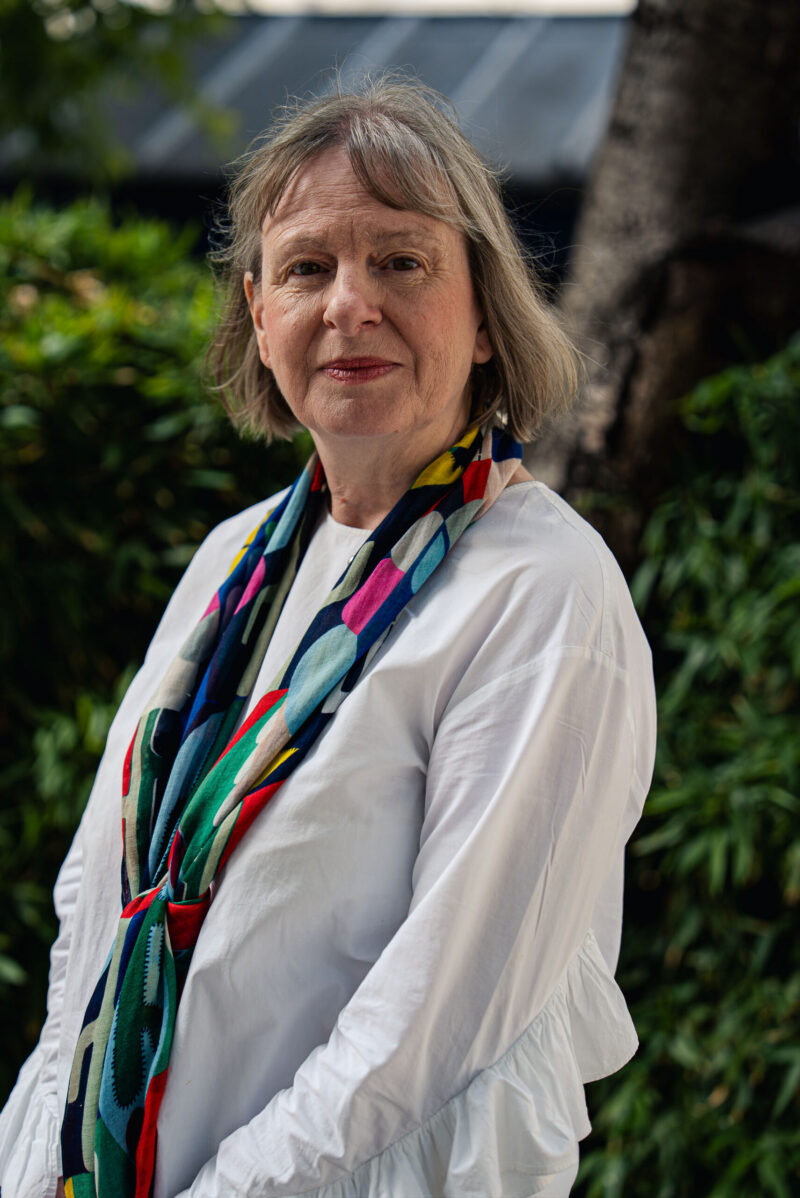
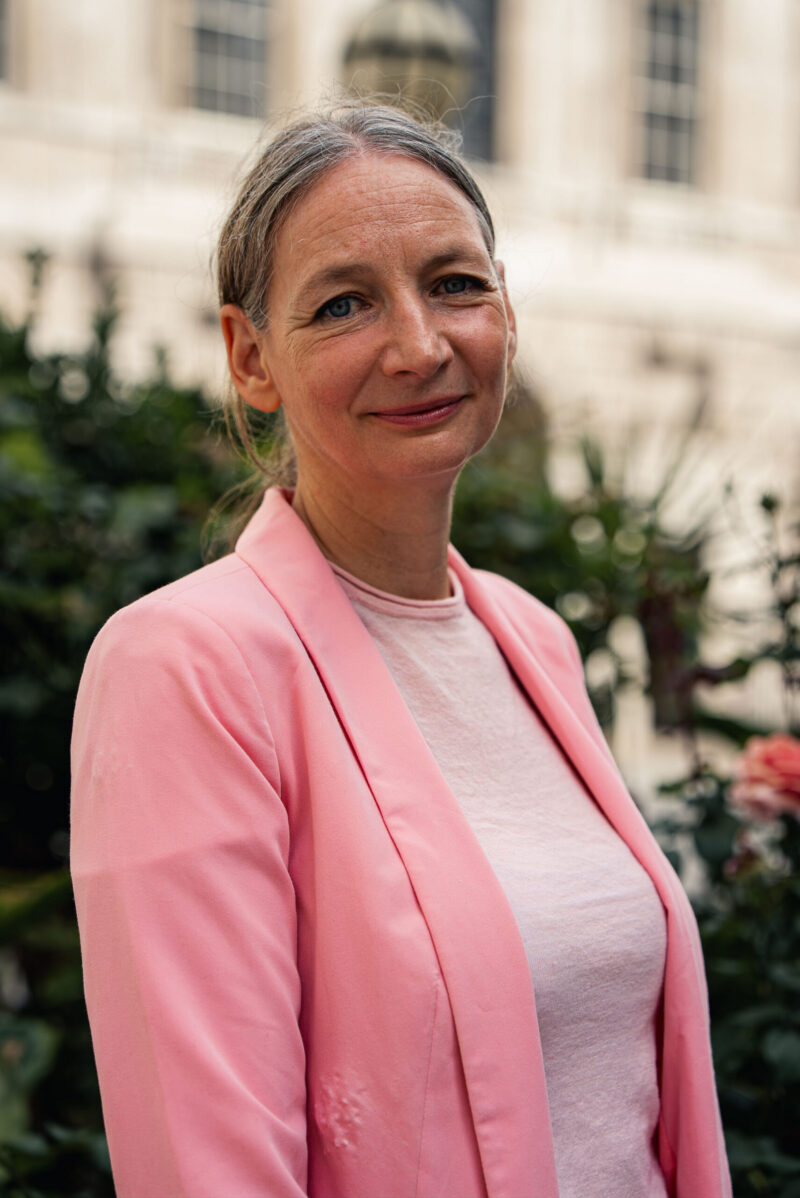
I’m here to give women the opportunity to contribute to their own cure
Breast cancer is just so common. I think everybody knows somebody who has been affected by breast cancer. I just felt that we should be doing something about it.
Breast cancer does not affect every community in the same way. In North East London, Black women with breast cancer have poorer outcomes than White women, but researchers still don’t fully understand why. Louise and her colleagues are studying cancers from Black, White and South Asian women to uncover the biological differences that could help explain these inequalities.
Their research has already identified differences not only within tumours, but also in the surrounding cells, both of which can influence how a cancer behaves. These findings could open new ways to treat breast cancer, and develop tests that are more relevant to East London’s diverse communities.
With support from Barts Charity, Louise is also helping lay the foundations for PharosAI. This will use carefully curated NHS data to develop and test AI tools that make decision-making for doctors more efficient.
By freeing up time and resources, AI could help more patients benefit from testing at the point of diagnosis and support more equitable care. Louise wants research to include every woman in East London – helping us understand who is at risk of breast cancer, improve care and, in the near future, find new ways to prevent it.
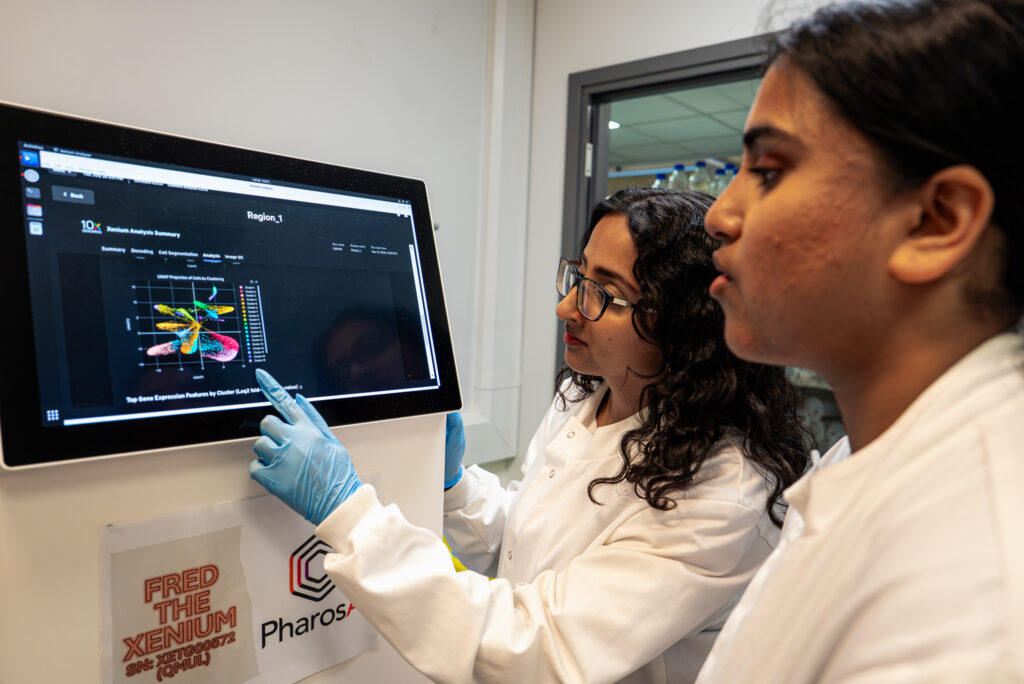
Researchers at the Barts Cancer Institute, Queen Mary University of London
The Breast Cancer Centre will bring high-quality clinical and translational research closer to everyday care, giving more patients opportunities to take part in research and clinical trials of new treatments. The Centre will achieve this by:
 Making it easier for patients to find out about and take part in breast cancer research, with dedicated clinics where research opportunities can be discussed as part of their care
Removing barriers to taking part in clinical trials, so that research includes people from a wider range of backgrounds and better reflects East London’s diverse communities. This includes the recruitment of a Clinical Nurse Specialist whose role will be to increase participation from diverse communities
Using research to understand and tackle inequalities in breast cancer, including how we can improve screening and help people get diagnosed earlier.
Bringing researchers and healthcare teams closer together, so discoveries made by scientists at Queen Mary University of London can help shape and improve patient care
Offering more clinical trials at the Centre, giving patients greater opportunities to access new approaches to breast cancer diagnosis, treatment and care
Helping patients understand how donating tissue samples can support breast cancer research, while making it easier to collect these samples during routine tests and surgery. This will help researchers develop better ways to diagnose and treat breast cancer
Hear from Dr Suaris - Consultant Radiologist at St Bartholomew's Hospital who is working on finding a better early diagnosis experience for women with dense breast tissue.

Koios™ AI is an AI support tool for ultrasound, providing radiologists with an instant second opinion. We are funding the evaluation study of Koios™ which aims to evaluate if the tool is effective on a cohort of young and ethnically diverse patients.
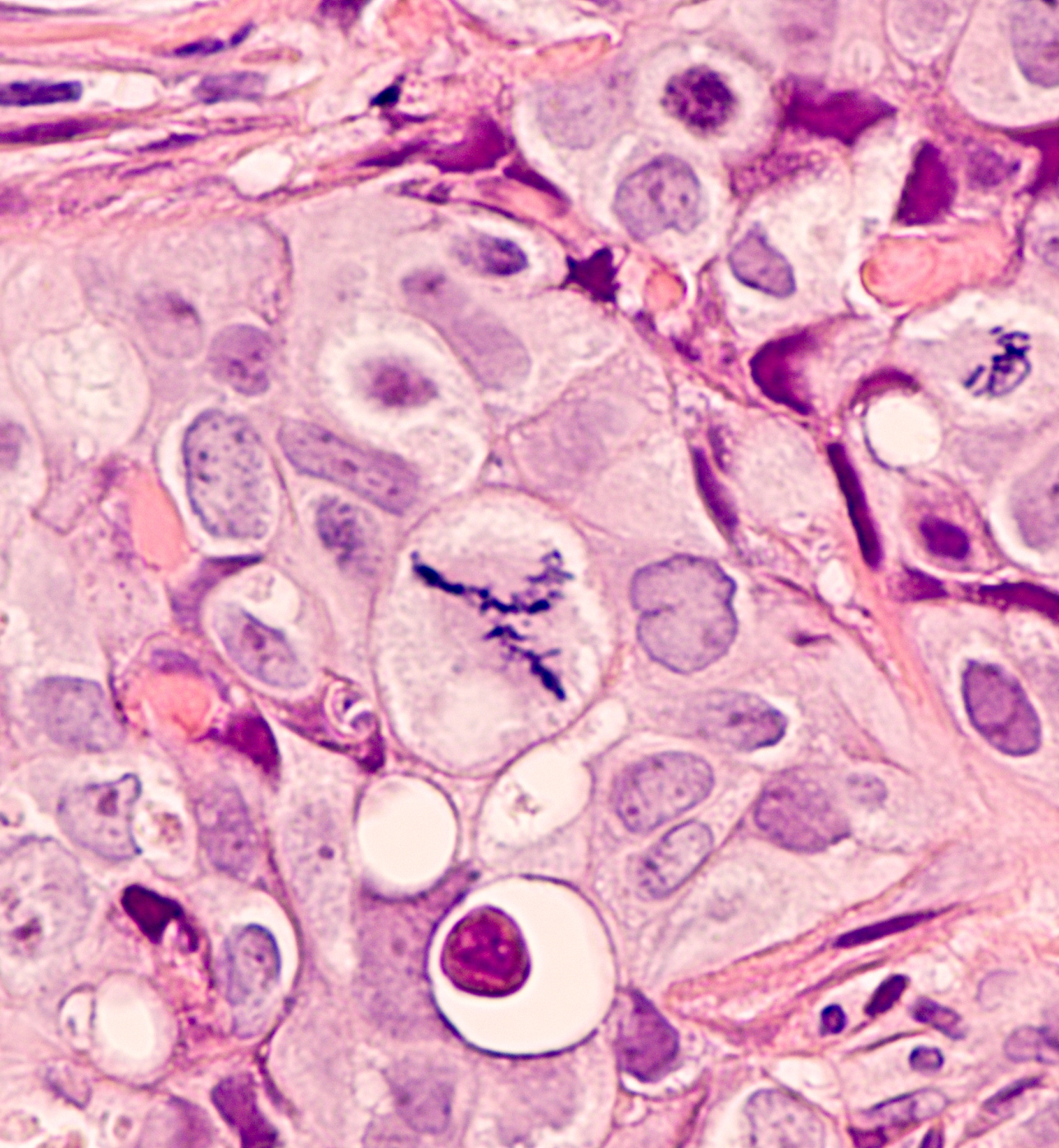
Patients have responded positively to Contrast-enhanced Mammography (CEM) – a quick and accurate imaging test that may improve the accuracy of identifying cancer for women with dense breast tissue.
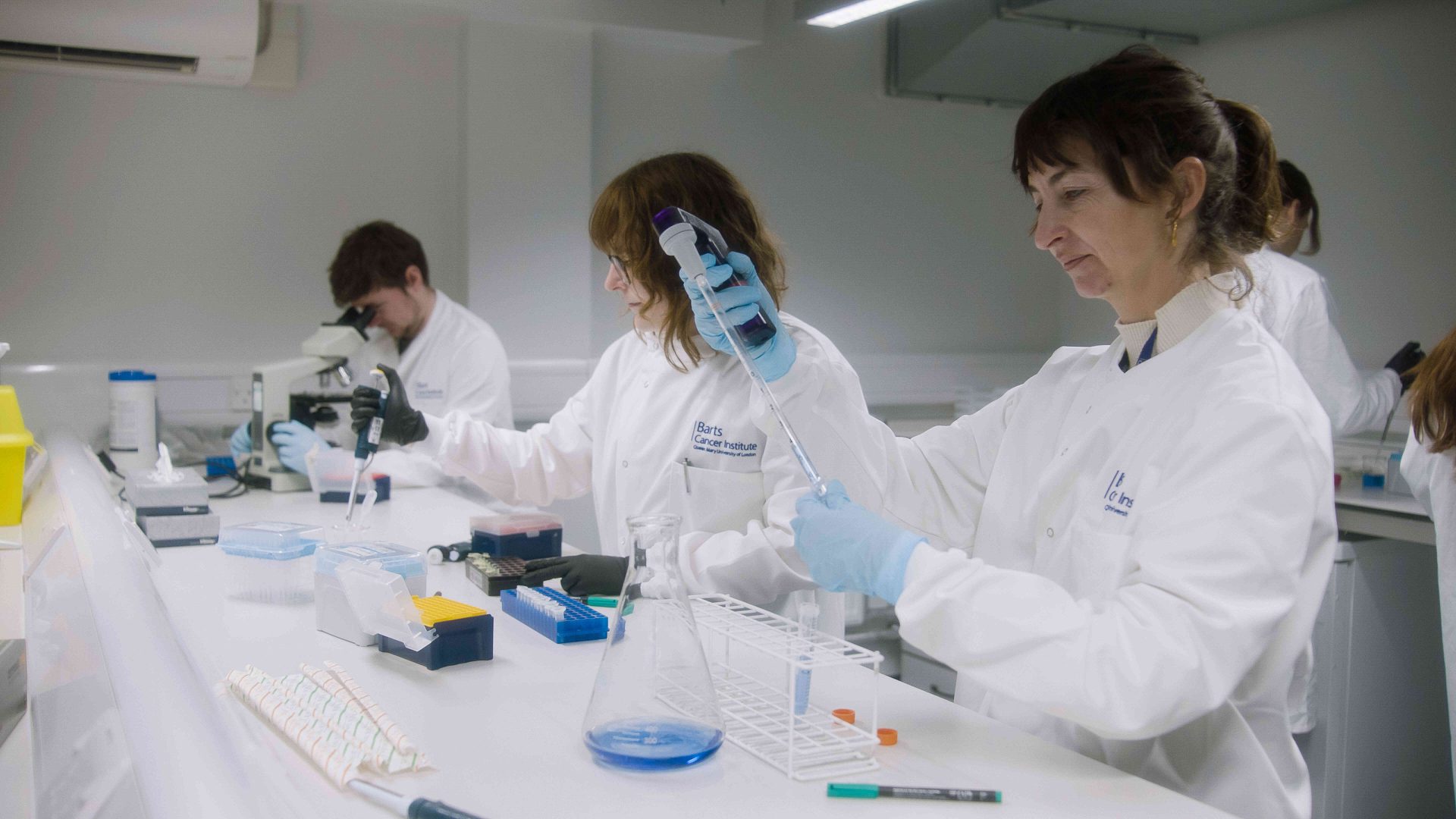
Your generosity could help fund expert research into new treatments, more personalised care and better access to research for East London’s diverse communities.