

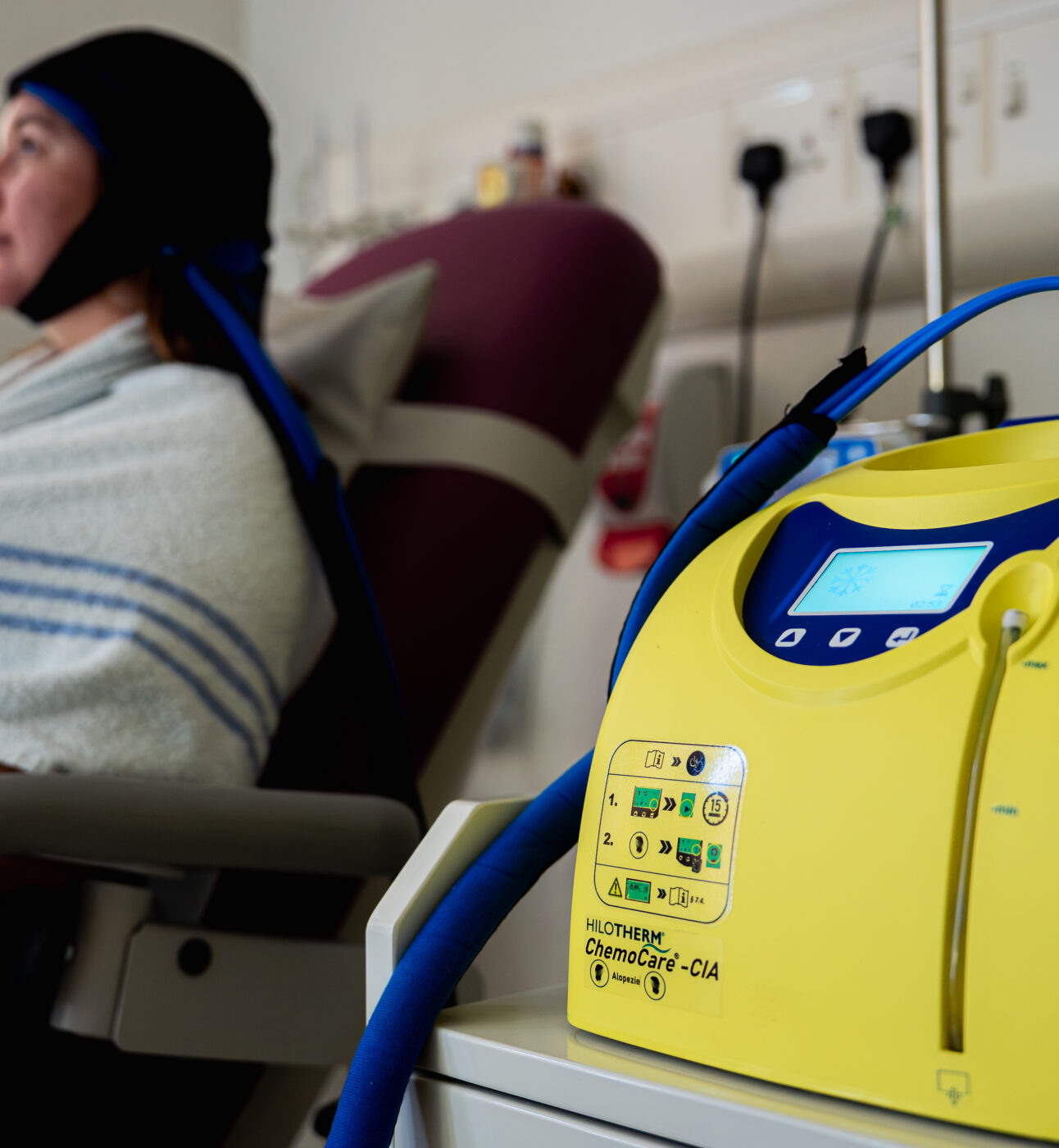
Three ways the Breast Cancer Centre could transform care
Professor Peter Schmid speaks to us on curing more early-stage cancers, learning from every patient and bringing world-class research closer to people in East London.
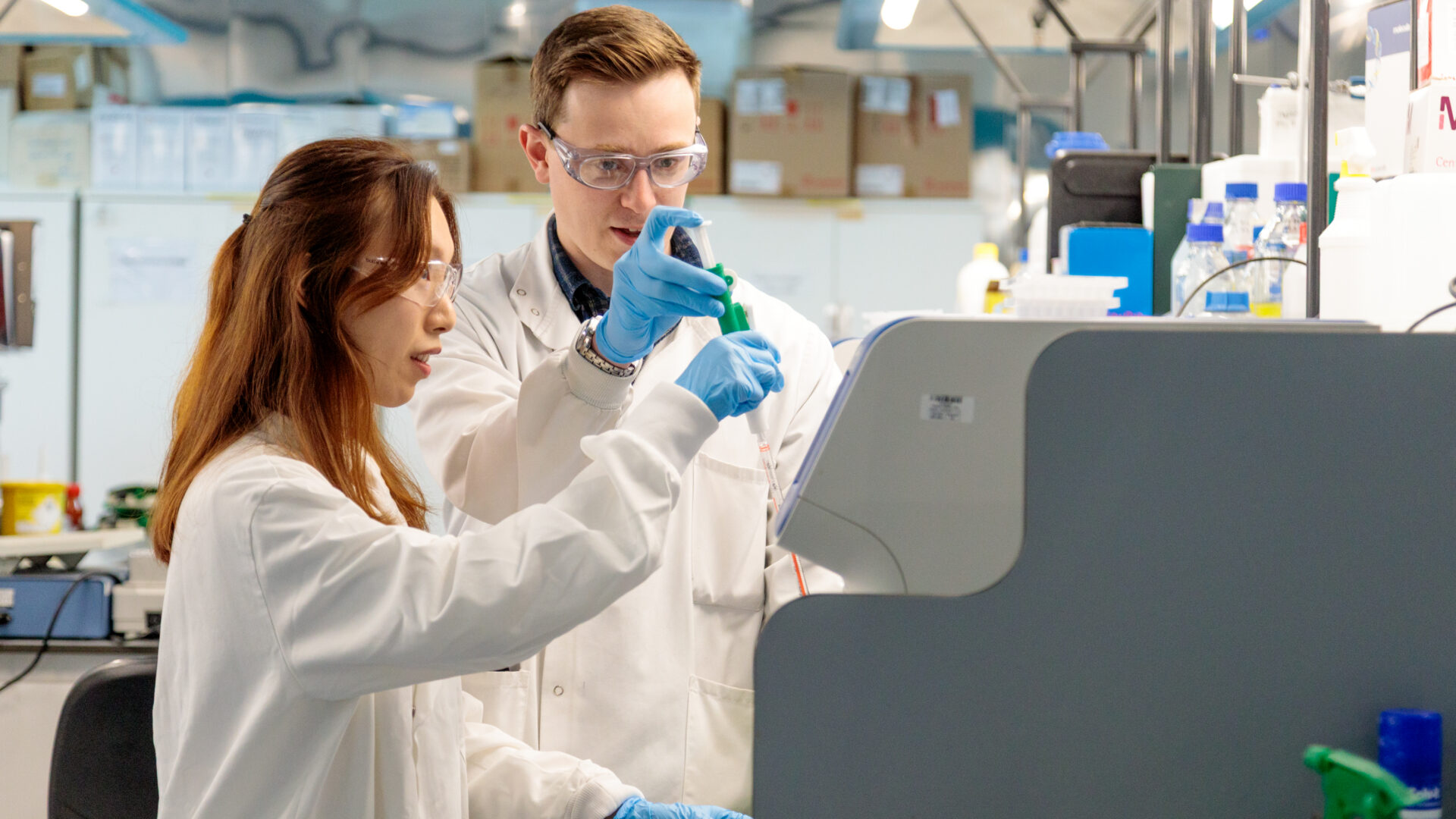
The REAL Health programme at Queen Mary, University of London aims to address child, respiratory and cardiovascular health in East London.
In 2018, we awarded £2.2m to establish the Research Enabled Learning (REAL) Health programme at Queen Mary University of London. Its key aim is to use a ‘learning health system’ approach, using primary care data to address and improve key health inequalities facing the people of East London.
The programme is led by Professor John Robson and Professor Carol Dezateux of the Clinical Effectiveness Group at Queen Mary’s Wolfson Institute of Population Health.
Using anonymised health data, the REAL Health programme aims to address clinical and public health issues in three core areas:
In East London, one in four children leaves primary school very overweight, while 20% aren’t protected against measles, mumps and rubella (MMR) by their second birthday. The team have been using innovative data driven methods to understand key factors that influence children’s health in East London, such as obesity, immunisation uptake and levels of overcrowding within homes.
Between 2023 and 2024, emergency hospital admissions for asthma in adults increased by 17% in England. The team aimed to improve asthma management by identifying those at higher risk of hospital admission using data to better predict the risk of an asthma attack. Patients identified as high risk can then be flagged for ‘asthma risk review’ appointments to recommend changes and improvements in medication.
Cardiovascular disease remains one of the leading preventable causes of premature death and disability. However, gaps remain between the best possible treatment and what is delivered. The team developed software tools that help clinicians use data from patient records to find people who aren’t getting the treatment they need and prescribe medications accordingly.
Key findings from the three core areas of the REAL Health programme over the past five years include:
The REAL Health programme’s findings have demonstrated the power of data to provide actionable insights that identify and improve key areas of health inequalities as part of a learning health system.
This approach provides a practical example of how the Neighbourhood Health Service described in the 2025 NHS 10-Year Health Plan – grounded in real clinical workflows – is actually doable now.


On the vaccination programme, one staff member from a GP practice in City and Hackney said: “The tool makes managing what can be a complex area easy to understand. I use it weekly to call those that are due that week. This was not happening prior to the tool, and it has proven to be successful in ensuring that children get the right vaccines at the right time.”
Professor Peter Schmid speaks to us on curing more early-stage cancers, learning from every patient and bringing world-class research closer to people in East London.
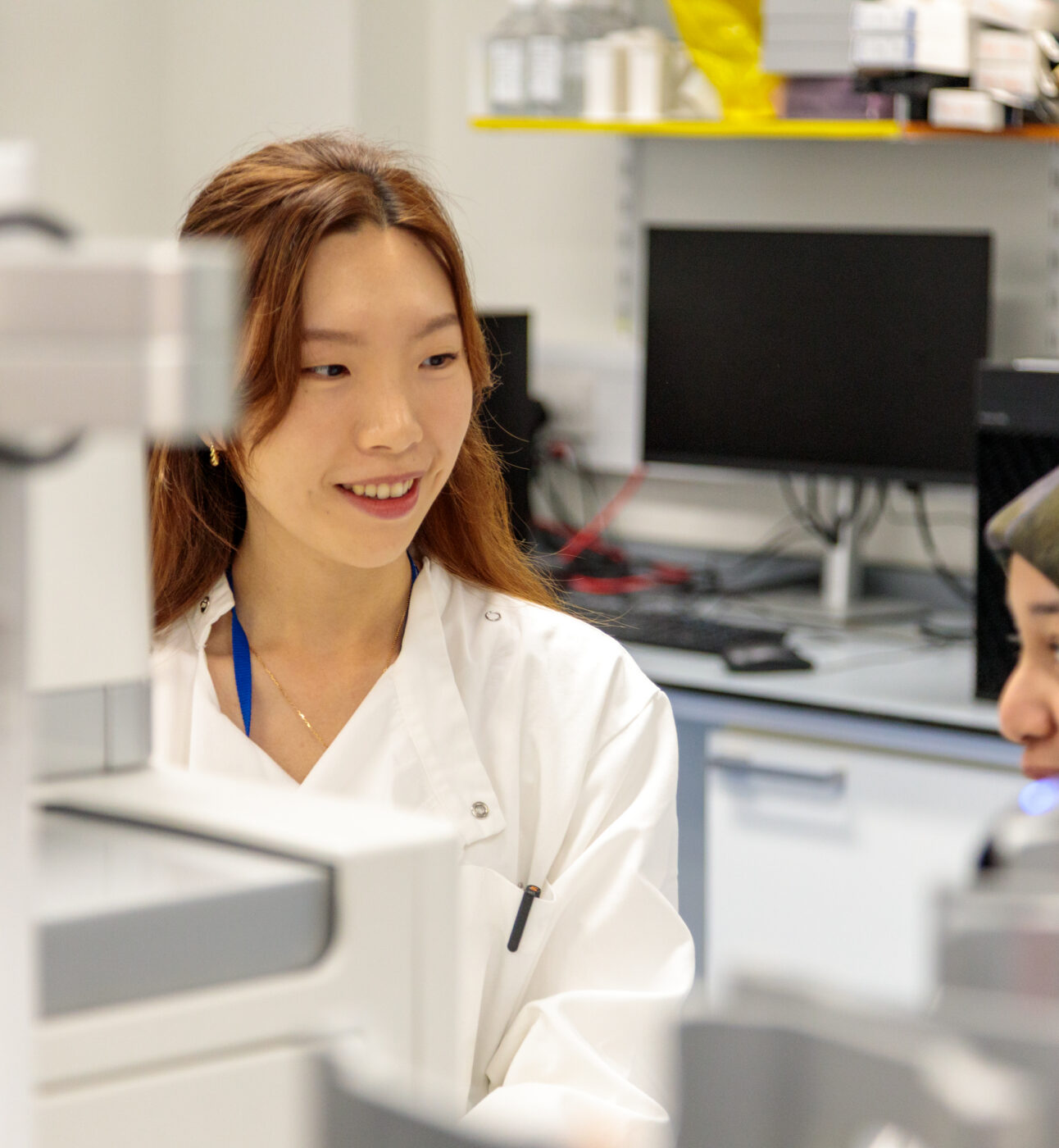
We’re delighted to announce our new Clinical Research Training Fellows for 2025/26. This year, we’re supporting seven healthcare professionals to undertake PhD training that will help to transform care for the people of East London.

A new study by researchers at Queen Mary University has found that four in ten UK GPs are currently using AI-powered “scribes” to document patient consultations. This highlights the rapid adoption of artificial intelligence in primary care, despite continuing concerns about patient safety, liability and regulation.

You can help us make changes to the public health issues facing East London.