

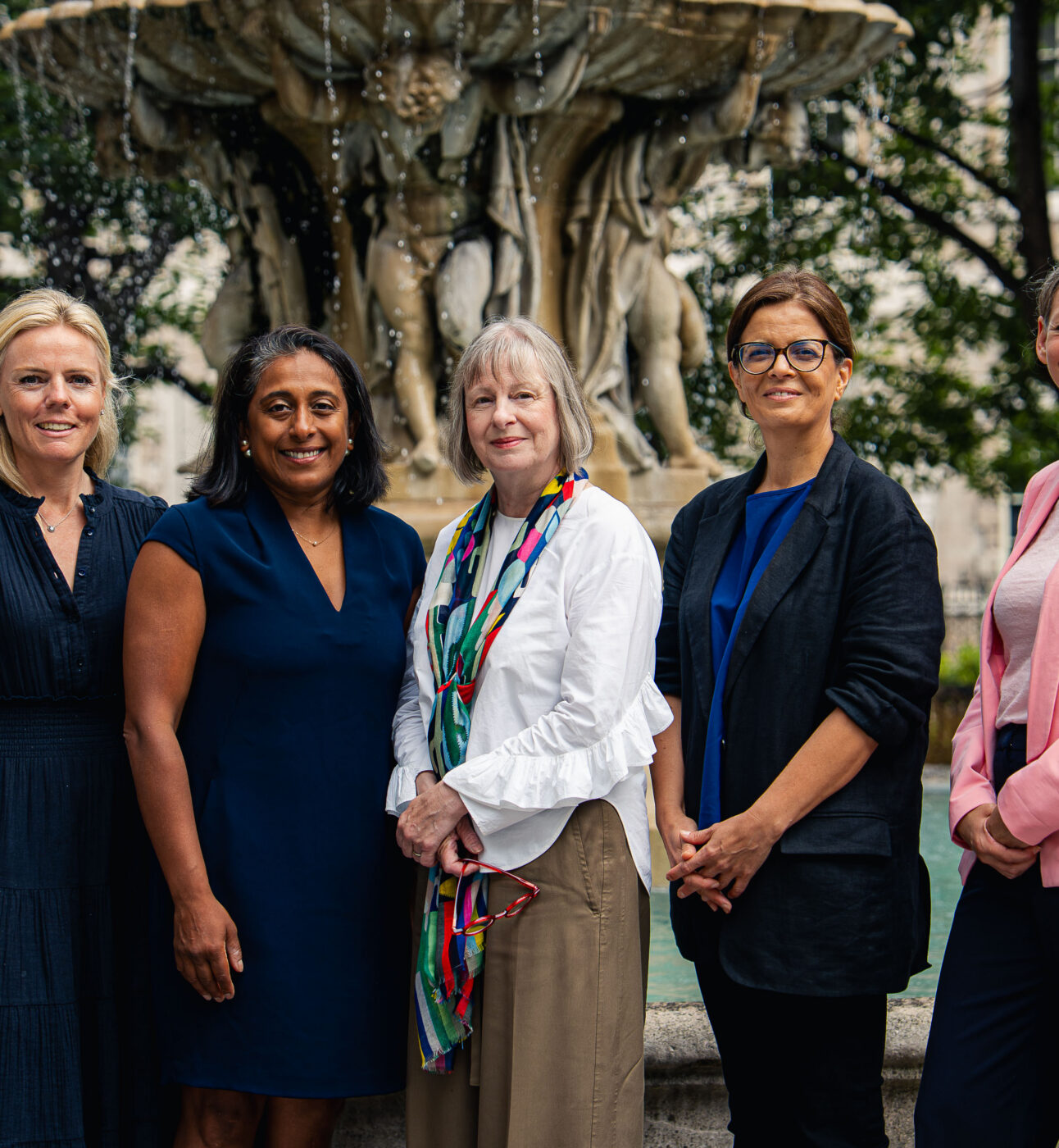
Meet the women transforming breast cancer care in East London
From specialist surgery to pioneering research, meet seven women working to improve breast cancer care for East London’s communities.

We’re supporting Queen Mary University of London to develop the next generation of biomedical researchers, whose focus will be on improving the health of East Londoners.
We’re committed to invest £4.85m over the next five years to establish the Barts Charity Doctoral Training Programme, a new non-clinical programme. It forms a key part of our strategy to enhance healthcare research and build research leadership in East London. The Programme will enhance our current investment in non-clinical PhD students by bringing them together into one cohort.
The Barts Charity Doctoral Training Programme will fund five PhD students every year for the next five academic years.
This will be a cohort-based PhD programme. This means that, rather than pursue their studies separately, the students will be brought together as a group, both for training sessions and to provide a more supportive environment.
What will be unique about this Programme is its focus on the health challenges and diseases that are experienced by our local community.
The Programme will also appoint an equity, diversity and inclusion (EDI) champion and a student lead. These appointees will ensure that a diverse group of students are recruited, and that EDI best practice is followed.
The programme will develop a host of world-class researchers, who will have a focus on the needs of East London – and will have great connections with the local community. It’s hoped that this programme will have long-term impact by motivating these researchers to continue focusing on underserved communities as their careers develop beyond their PhDs.
The Doctoral Training Programme will offer students a robust training programme that will provide training in many areas including:
“This next generation of biomedical researchers will investigate and understand the complex health needs of our East London community, develop innovative solutions, and contribute new insights to their fields. We look forward to working with Queen Mary on this locally-relevant PhD programme – which will deliver real health benefits to East London.”Fiona Miller Smith, Chief Executive of Barts Charity


Engagement with patients and the local community will be integral to this new programme. In collaboration, they will be co-producing research themes that will inform project development and selection. They will also be engaged in research projects as they are delivered.
The students will gain valuable insight into health challenges for the East London community through training, events and interaction with clinical facing roles. As part of their PhDs, they will also regularly present and provide feedback on their work to the local community.
“Community engagement will be a cornerstone of the programme, which, combined with a cutting-edge research training programme, will equip the next generation of researchers to deliver new treatments targeted at improving health for our local population.”Professor Amrita Ahluwalia, Queen Mary University of London
“I applied to the Barts Charity Doctoral Training Programme because of its unique emphasis on local community engagement, as well as the opportunity to benefit from extensive interdisciplinary training.
“My PhD project, under the primary supervision of Dr Adrian Biddle, will investigate how epigenetic dysregulation contributes to inflammation and modifies cell fate in oral cancer. I am particularly looking forward to utilising an advanced 3D tumour-on-chip model, which will allow us to assess cell fate and invasion dynamics within the context of a relevant tumour microenvironment.
“Oral cancer is particularly prevalent in East London, where incidence rates are higher than the national average and continue to increase. Patients face wide variations in outcomes, highlighting a clear need for better diagnostic biomarkers to help inform treatment decisions. This research has the potential to uncover new biomarkers for oral cancer progression, which could help to stratify patients and prevent over- and under-treatment, ultimately benefiting the East London community and supporting the aims of Barts Charity.”
“My PhD will investigate sterol metabolism in chronic kidney disease and clear-cell renal cell carcinoma, with a particular focus on understanding their dependence on the metabolic enzyme DHCR24. By exploring this dependency and better understanding the fundamental metabolic changes, we hope to show that this pathway can be exploited therapeutically.
“Chronic kidney disease is particularly prevalent among the diverse communities in East London, an area that also faces significant health inequalities. I hope this research can help address this by identifying new therapeutic vulnerabilities, ultimately contributing to more effective treatments and improved outcomes for the communities served by Barts.”
“When selecting my PhD at Queen Mary, I was mostly interested in immune-related projects. In particular, the role of galectin-3 (a sugar-binding protein that regulates fibrosis and immune cell activation) in the link between inflammatory arthritis and lung dysfunction.
“Dr Dianne Cooper’s lab uses a mouse model of inflammatory arthritis whereby mice develop joint inflammation alongside reduced lung function, with higher levels of white blood cells containing elevated galectin-3 levels in the lungs, alluding a potential mechanistic link which will be the subject of study in my PhD.
“This research directly impacts our East London community, which has some of the highest levels of chronic respiratory disease and socioeconomic deprivation that contribute to an earlier onset and more severe rheumatoid arthritis (RA).
From specialist surgery to pioneering research, meet seven women working to improve breast cancer care for East London’s communities.
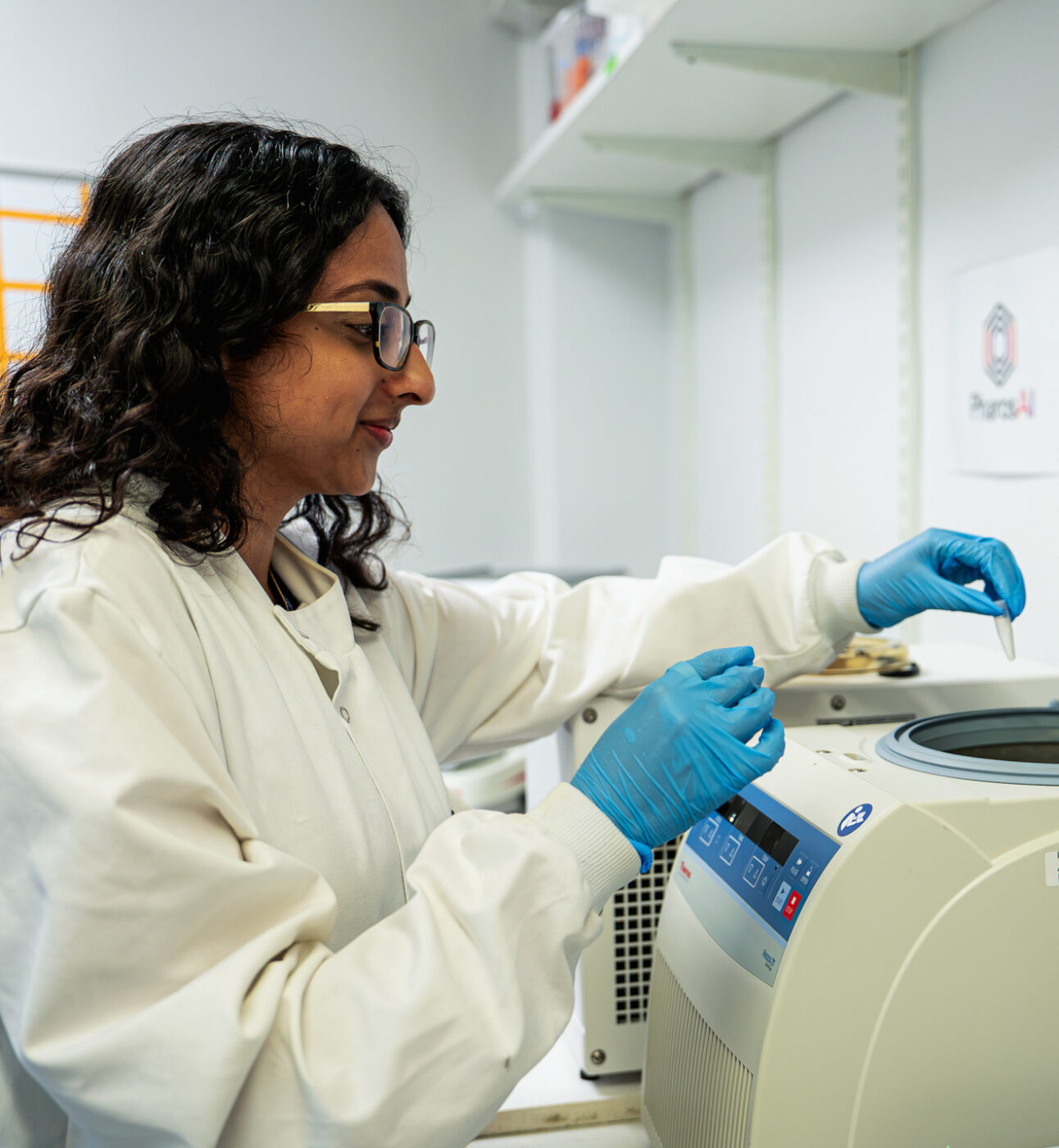
A major expansion of the Barts BioResource will transform how health research is carried out in East London. This will help researchers make discoveries faster and develop better, more personalised treatments for patients.
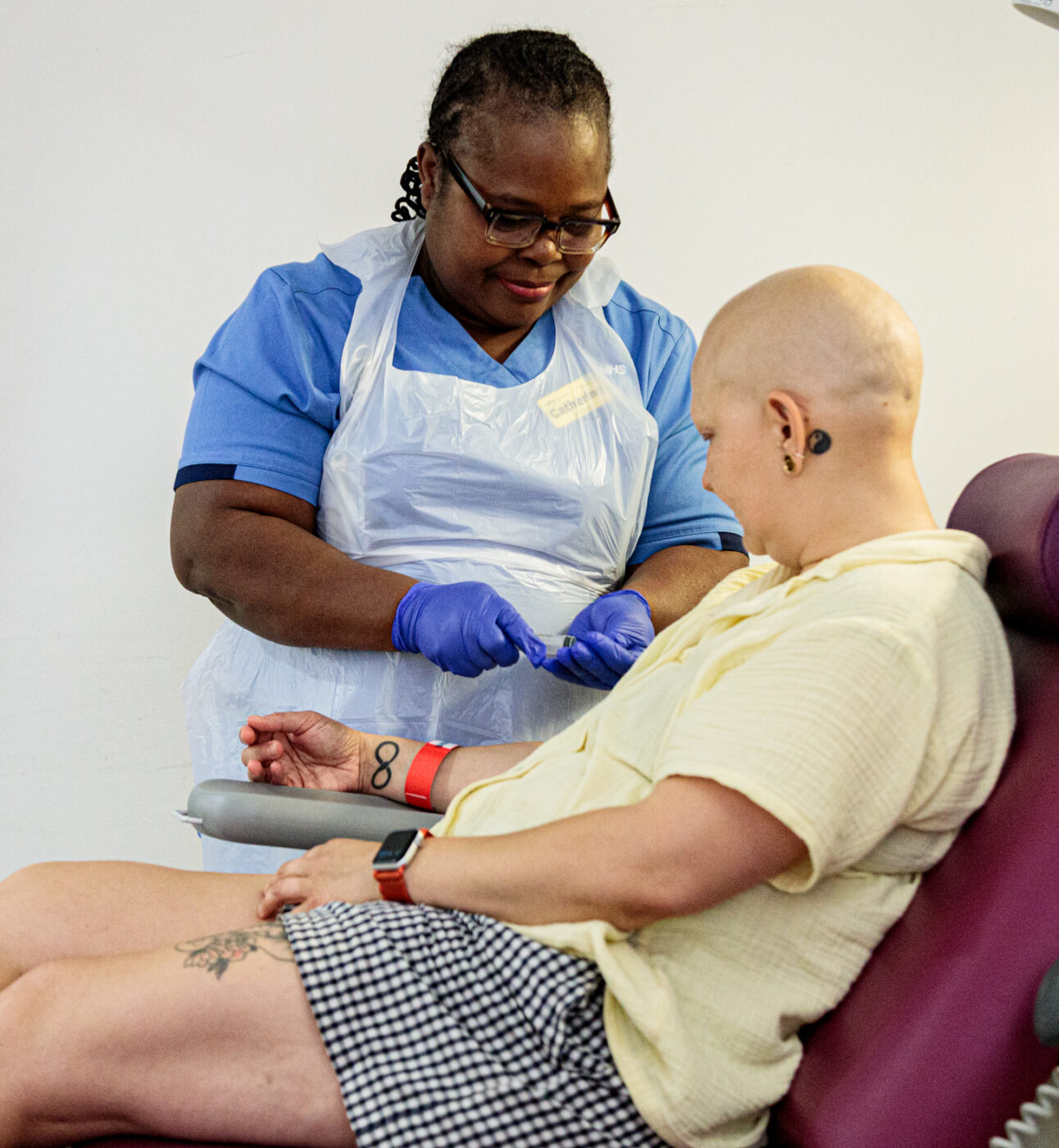
From pioneering research facilities to bringing clinical trials closer to local communities, Barts Charity is investing in the people, places and expertise needed to transform healthcare in East London and beyond.

You can help us deliver world-class research to our East London communities and beyond.