

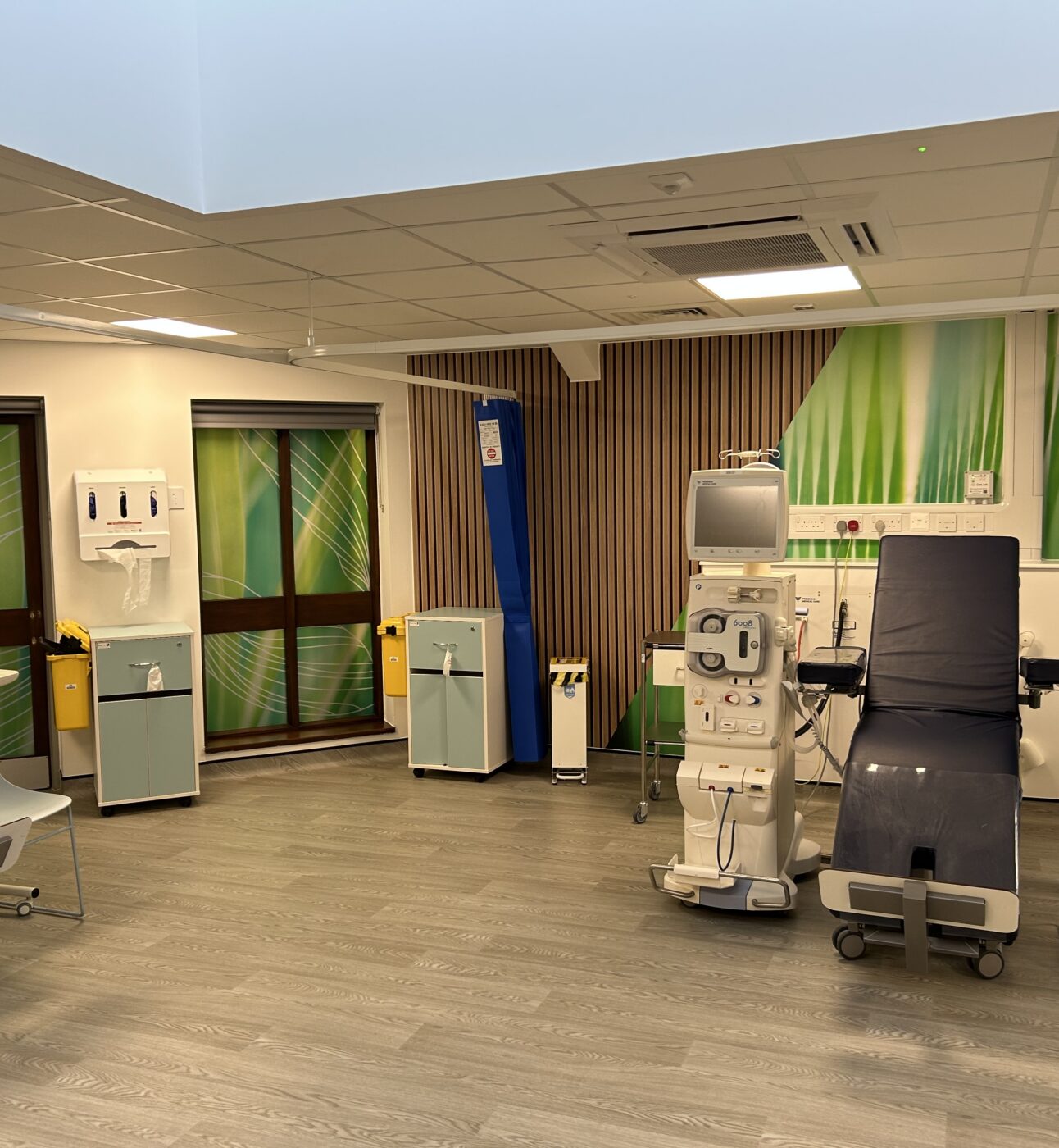
Inside the new Renal Centre at Mile End Hospital
A new Renal Centre at Mile End Hospital is transforming dialysis care for East London, particularly for young adults with kidney disease.
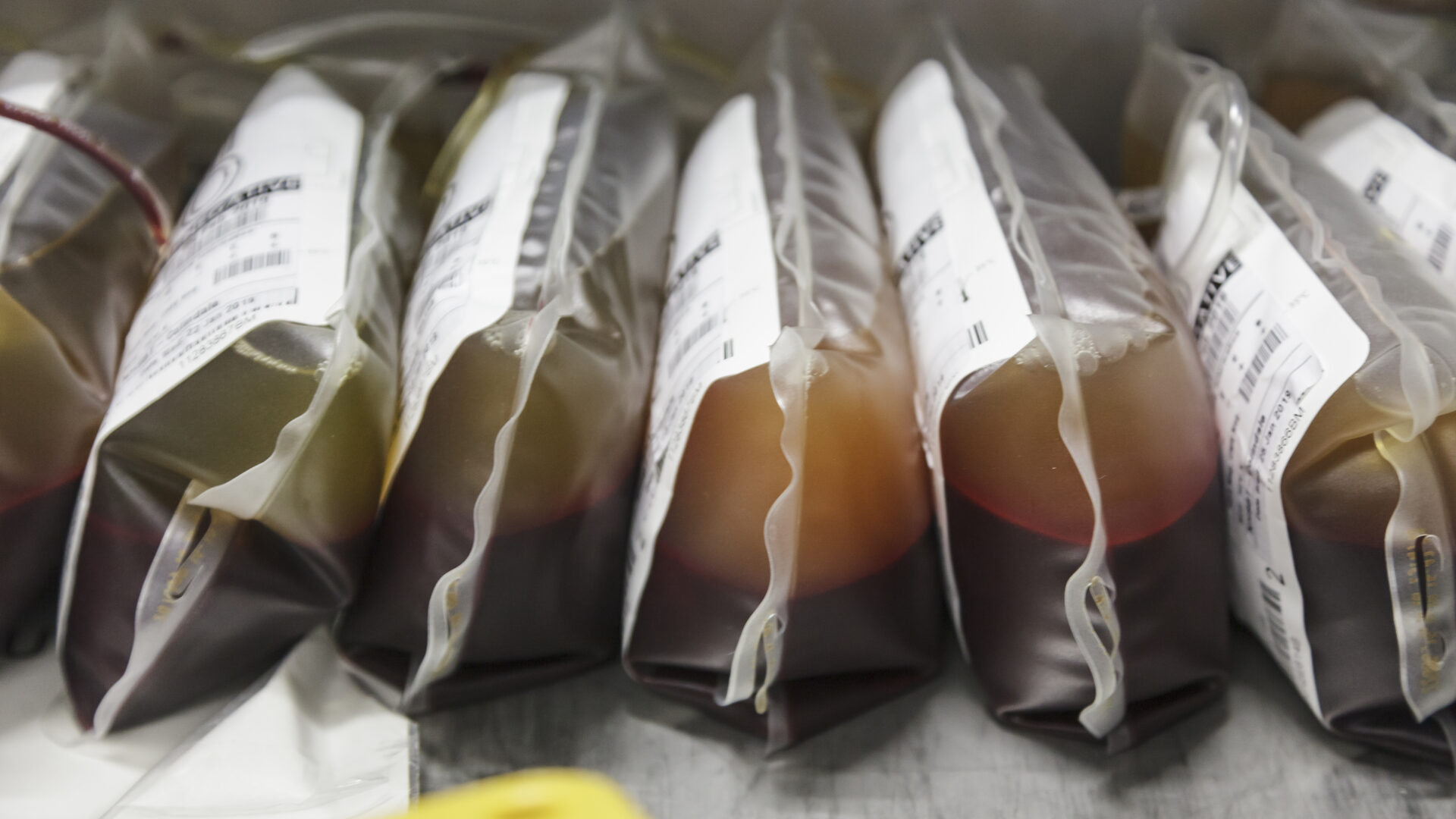
Digitising blood transfusion processes at four Barts hospitals has reduced the need for blood samples, saved vital nurse time, and has improved patient experience.
Barts Health is one of the biggest users of blood in the country – administering blood to around 15,000 patients per year. Not only that, but it is home to the country’s largest trauma and cardiac centres.
The haematology service is vital for patients and saves many lives. For all patients, administering blood must be correct all the time. A 99% accuracy isn’t good enough, as any error in blood allocation can have severe consequences for patients.
In 2022 we awarded the clinical haematology department at Barts Health NHS Trust £1.7m to streamline and modernise blood transfusion processes. We also offered a further £0.5m to evaluate this so that learnings can be disseminated across the country.
The vein-to-vein project is digitising blood transfusion processes across four Barts Health hospitals by introducing bedside electronic checks, reducing human error and improving patient safety and experience.
Around 50% of Trust staff handle blood products. Before our funding, manual bedside checks were time-consuming because:
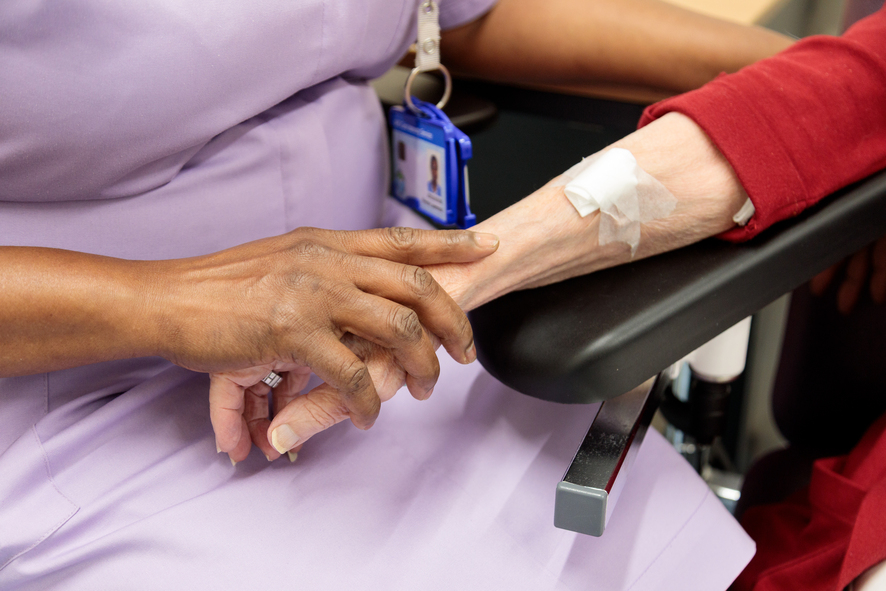
Minimising risks and delivering a safer, quicker transfusion to patients.
Now, when patients arrive at the hospital, they’re given a barcoded wristband containing their medical information. This is scanned by medical staff, who carry out key steps in the right order. All processes that would be carried out manually are electronically automated, easing the burden on clinicians.
The funding has provided 474 scanning devices and 474 mobile printers.
Over 95% of all blood transfusions are now administered through the new electronic devices. This means:



Alongside this, minimised risk of mislabeling, fewer blood samples, fewer hospital visits and reduced delays have meant a reported improvement in patient experience.
Over 6,000 staff at the Trust have been trained in this new way of working, and transfusion training is mandatory. Staff surveys confirmed that staff that used the device felt the new devices were a “significant improvement”, saving time and improving patient care. The team hope to use the findings of this work to introduce the method across the NHS, which could have a huge impact on blood transfusion practice and mean huge savings nationally, both monetary and saved lives.
“None of this would have been possible without the Charity's vision and commitment to patient safety and innovation. We are proud of what has been achieved and sincerely thankful for the Charity’s support in helping us deliver safer, smarter transfusion care for our patients.”Professor Laura Green (Professor of Haemostasis and Transfusion Medicine) and Dr Louise Bowles, Clinical Director of Haematology
Edna Koomsom is Lead Nurse on the Haematology Day Unit at The Royal London Hospital. She said: “I feel it’s a great addition in the Day Unit because we are always prioritising patients’ safety. We want to be effective in the care we provide within the Trust and within the unit. We want to minimise errors and speed up patient treatment without having to rebleed patients.”
Patients have also explained what this means to them. One patient said: “[It] gave me security. The blood cannot be given to a different patient because when scanned it brings out the right information, matching the wrist band to the blood bag. It saves time and gives room for other quality care.”
A new Renal Centre at Mile End Hospital is transforming dialysis care for East London, particularly for young adults with kidney disease.
How we are creating a foundation for transformed breast cancer care in East London with the new Breast Cancer Centre..
Thanks to our funding, an innovative cancer treatment is giving new hope to patients in East London.
You can help us deliver world-class healthcare to our East London communities and beyond.