

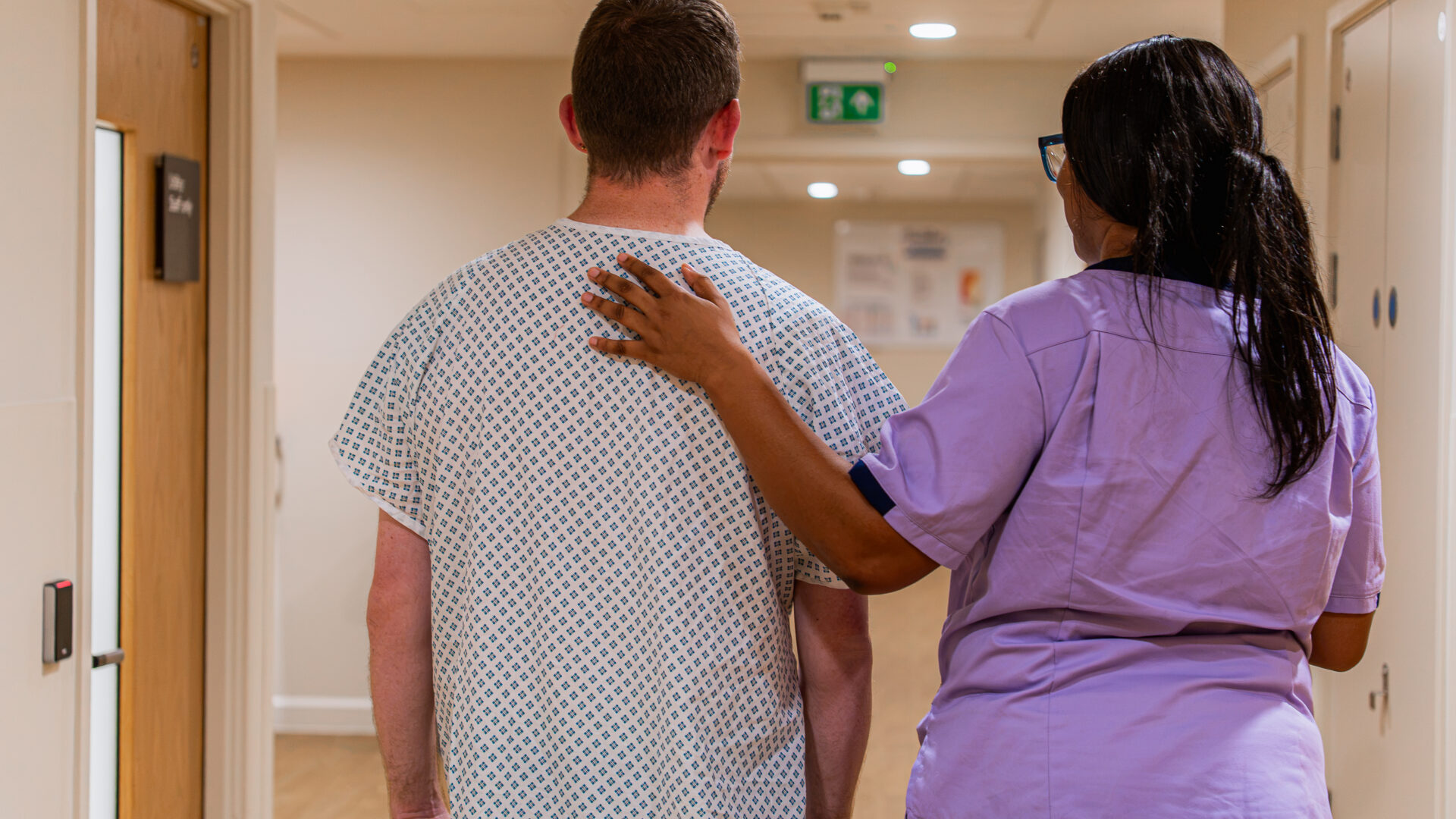
Supporting men facing breast cancer.
We’re here for it.
Anyone can get breast cancer. Despite being most commonly diagnosed in women, nearly 1% of breast cancer patients in the UK are men.
On average, men are diagnosed between the ages of 60 to 75 – approximately 5- 10 years later than women. In the same way that early detection and treatment is important for women with breast cancer, men also need to be aware of the signs so they can be treated at an earlier stage.
When Ben discovered a lump on his chest, breast cancer was the last thing he expected. Now, he’s sharing his experience to raise awareness of male breast cancer and the importance of specialist care.
Before his diagnosis
In the summer of 2023, Ben noticed something unusual. There was a lump on his chest. It wasn’t painful, but he knew something wasn’t right.
“I was aware of it before I even touched it,” he explains. “It felt active somehow, like something was going on there.”
Ben was diagnosed in his late thirties. He knew that breast cancer was a possibility in men, but assumed his lump was more likely to be something harmless, like a cyst.
He booked an appointment with his GP, who referred him to St Bartholomew’s Hospital for further tests. Just over a week later, Ben received the news that would change his life. He had breast cancer.
"All the plans you have for the future were suddenly put into question."Ben
For Ben, the diagnosis came as a complete shock. At the time, his son was just two years old, and the thought of not being there to watch him grow up was devastating.
“Immediately the worst thoughts pop into your head. The idea of leaving my partner and my son without a father when he’s still so little. All the plans you have for the future that you take for granted were suddenly put into question.”
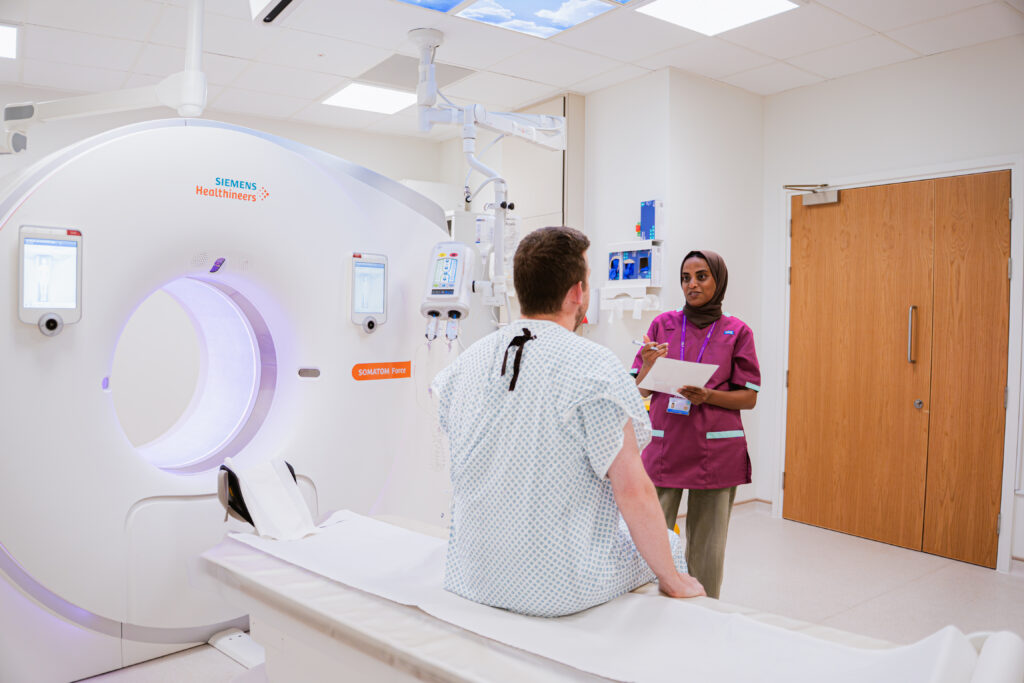
Nearly 1% of people diagnosed with breast cancer in the UK are men
Diagnosis and treatment
Ben underwent a single mastectomy, with surgeons removing the breast tissue from one side of his chest. Lymph nodes under his arm were also removed and tested to see whether the cancer had spread.
Thankfully, the results showed that the cancer hadn’t spread further. However, because his cancer was hormone receptor-positive, doctors recommended hormone therapy to help reduce the risk of it returning.
Ben wanted to explore other options and advocated for a second preventative mastectomy on his other side. Initially, he was told he was not eligible through the NHS because there was no cancer present there. But after seeking further advice, Ben met consultant Laura Johnson, who looked at his case more holistically.
“She said that when you look at my age, my circumstances, and the outcomes long term, there was a legitimate case for it,” he explains. Thanks to her support, Ben was eventually able to undergo the second surgery through the NHS.
Throughout his treatment, the care and reassurance he received from hospital staff made a lasting difference.
“It must be challenging when you’re dealing with so many patients, all with unique cases. But the nurses were really attentive and communicative, and made sure I understood what was happening at every stage.”

Ben playing with his son
Life now and what comes next
Thanks to the support from Barts staff and partner Jennifer, Ben is looking forward to the future with his family. But the experience had a deep emotional impact, and it took time for him to come to terms with everything he had been through.
“It was such a massive relief to know that I was cancer free and had done everything I could to reduce the risk of recurrence,” Ben explains. “So, on the one hand I felt elated, but on the other hand I had that worry in the back of my mind that maybe it would come back.”
It was only after treatment that Ben began to fully process the emotional impact of his diagnosis. He attended counselling for six weeks, which helped him work through his experience.
"You're dealing with your mortality for the first time, and you lost the sense that you're invincible, which is quite hard to deal with."Ben
Today, Ben is looking forward to making more memories with Jennifer and their son, appreciating the future that once felt so uncertain.
What the Breast Cancer Centre means for men like Ben
Living in East London, Ben feels fortunate to have received specialist cancer care so close to home. But he also knows just how important it is that everyone facing a breast cancer diagnosis can access the best possible treatment and support.
The Barts Health Breast Cancer Centre brings specialist care, research and support together in one place. Patients will have access to specialist surgery and reconstruction, oncology, imaging and supportive services, alongside greater opportunities to participate in research and access cutting-edge treatments. The aim is a more joined-up experience throughout diagnosis, treatment and recovery.
"You can’t put a value on having access to specialists who know exactly what they’re doing.”Ben
Find out more about the signs and symptoms of male breast cancer on the NHS website.
We're here for it. Are you?
Donate today and help more men like Ben be here to spend more time with their loved ones.