

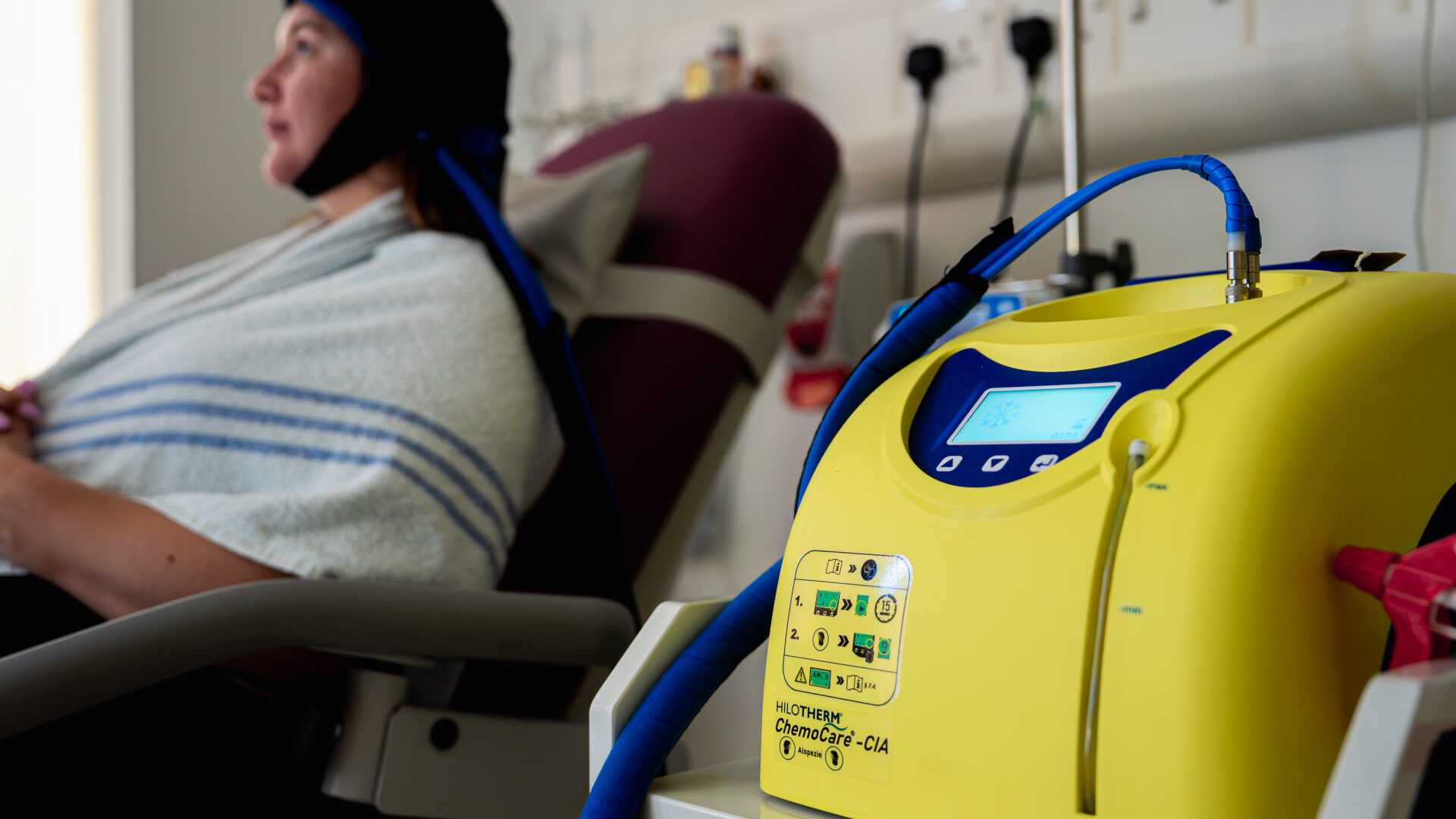
Professor Peter Schmid has spent his career developing new treatments for breast cancer. Now, as Director of the Barts Health Breast Cancer Centre, he wants to use that experience to help create a centre where excellent care and pioneering research work side by side.
For Peter, the opportunity is bigger than bringing services together in one place. It is about making research part of everyday care, giving more patients the chance to benefit from new ideas, and using what is learned from each person to improve treatment for those who come after them.
Hear from one of the world’s leading breast cancer researchers
Watch the video to hear Peter explain what drives his research, why bringing care and research together matters, and what further philanthropic support could make possible.
About Professor Peter Schmid
Peter is Professor of Cancer Medicine at Barts Cancer Institute, Director of the Breast Cancer Centre, and an honorary consultant medical oncologist at St Bartholomew’s Hospital.
Peter’s research is changing the way that triple negative breast cancer is treated globally. He is focused on improving care for people with breast cancer through clinical trials, spanning early- to late-stage disease. Notably he has led major international studies that have helped establish new standards of care for triple negative breast cancer, including the IMpassion130 and KEYNOTE-522 trials.
What is Peter here for?
"I'm here to make a difference. And I think that's the dream of every oncologist. And that's a dream of every researcher."Professor Peter Schmid

Professor Peter Schmid
Three opportunities to change breast cancer care
1. Cure more early-stage cancers
Peter’s ambition starts with a simple goal: to cure more people diagnosed with breast cancer at an early stage, while improving survival and quality of life for people whose cancer is more advanced.
His own research shows how quickly treatment can move forward. In triple-negative breast cancer, Peter has helped lead studies of treatments including immunotherapy and targeted drugs that have changed care internationally.
The Breast Cancer Centre creates an opportunity to build on that progress by connecting patients in East London more closely with clinical research and new treatment approaches.
2. Learn from every patient
One of Peter’s biggest ambitions is for the Centre to learn from every person who comes through its doors. That means collecting high-quality information and, where patients choose to take part, samples such as blood or tumour tissue as part of routine care and research.
Studying these samples alongside information about treatment and quality of life could help researchers understand why some cancers behave differently, why treatments work better for some people than others, and where new approaches are needed. Over time, those insights could help make breast cancer care more personalised and effective.
“I would like to be able to learn from every single patient that goes through our hospital.”Professor Peter Schmid
3. Bring world-class research directly to patients in East London
Historically, breast cancer services across Barts Health have been spread across different sites. Bringing diagnosis, surgery, oncology and research more closely together can remove practical barriers for patients and make it easier for clinical teams and researchers to work as one.
The Centre also sits close to Queen Mary’s research laboratories. That proximity means samples collected during care can be studied by researchers nearby, helping ideas move more quickly between the clinic and the lab.
For Peter, this is essential to creating the kind of integrated research environment seen at leading cancer centres around the world – but rooted in, and responding to, the needs of East London’s diverse communities.
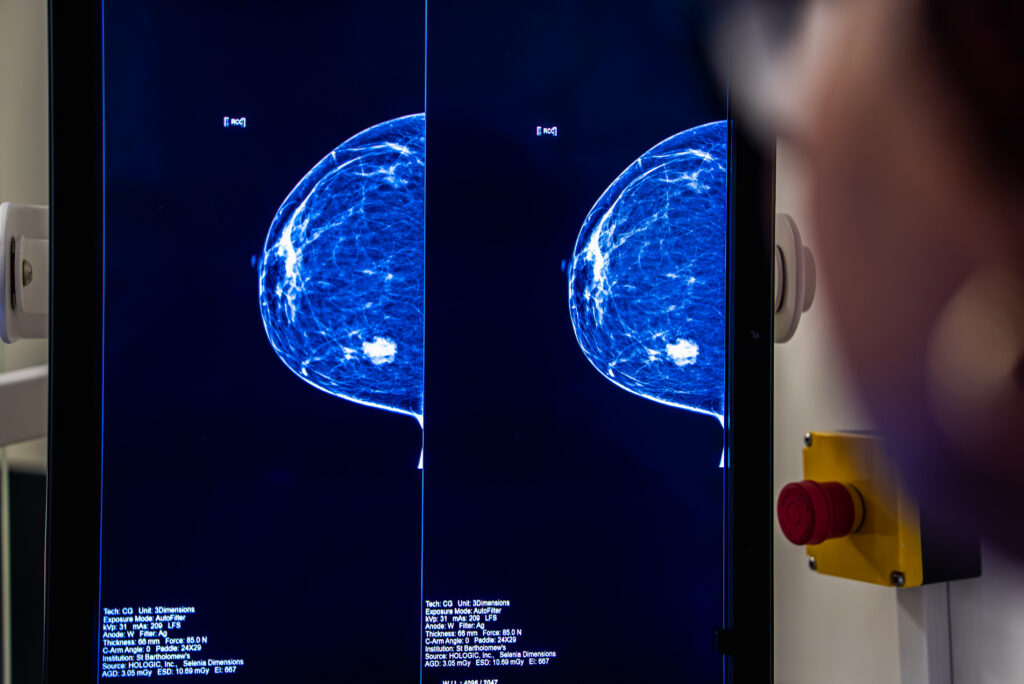
A mammogram at St Bartholomew's Hospital
What philanthropy can make possible
Some of the most important research ideas begin before there is an established source of funding. Philanthropy can give researchers the freedom to test promising ideas, build the infrastructure needed to run studies and generate the early evidence that can take an innovation to the next stage.
Barts Charity has already supported Peter and his team with £499,000 to investigate whether a simple blood test could help doctors better understand and monitor breast cancer. The researchers are developing a way to look for tell-tale changes in DNA in the blood that could indicate the presence of breast cancer. Early results indicate their approach is able to detect cancer in a high percentage of patients in the study group.
The research is also laying important groundwork for future studies, helping make it possible for blood and other samples from people with breast cancer to be collected and studied as part of clinical trials. Ultimately, research like this could help doctors understand how a person’s cancer is changing and how it is responding to treatment, without relying on repeated tumour biopsies.
It is an example of what early investment can do: help an idea get off the ground, test whether it has potential and create the foundations for further research that could ultimately improve care.
A centre designed around patients
For all the ambition around research, Peter is clear that the starting point is how patients feel and what they need. He wants people arriving at the Breast Cancer Centre at one of the most frightening moments of their lives to feel safe, supported and confident that they can access excellent treatment and research in one place.
“We want to be a safe haven. We are here for you. We’ve got you.”Professor Peter Schmid
That is the promise behind the Centre: better experiences now, alongside research that could improve outcomes for patients in East London and beyond.
You can read Peter’s Q&A in full here.
Written by Barts Charity
Reviewed by Professor Peter Schmid, Director of the Barts Health Breast Cancer Centre and Professor of Cancer Medicine at Barts Cancer Institute
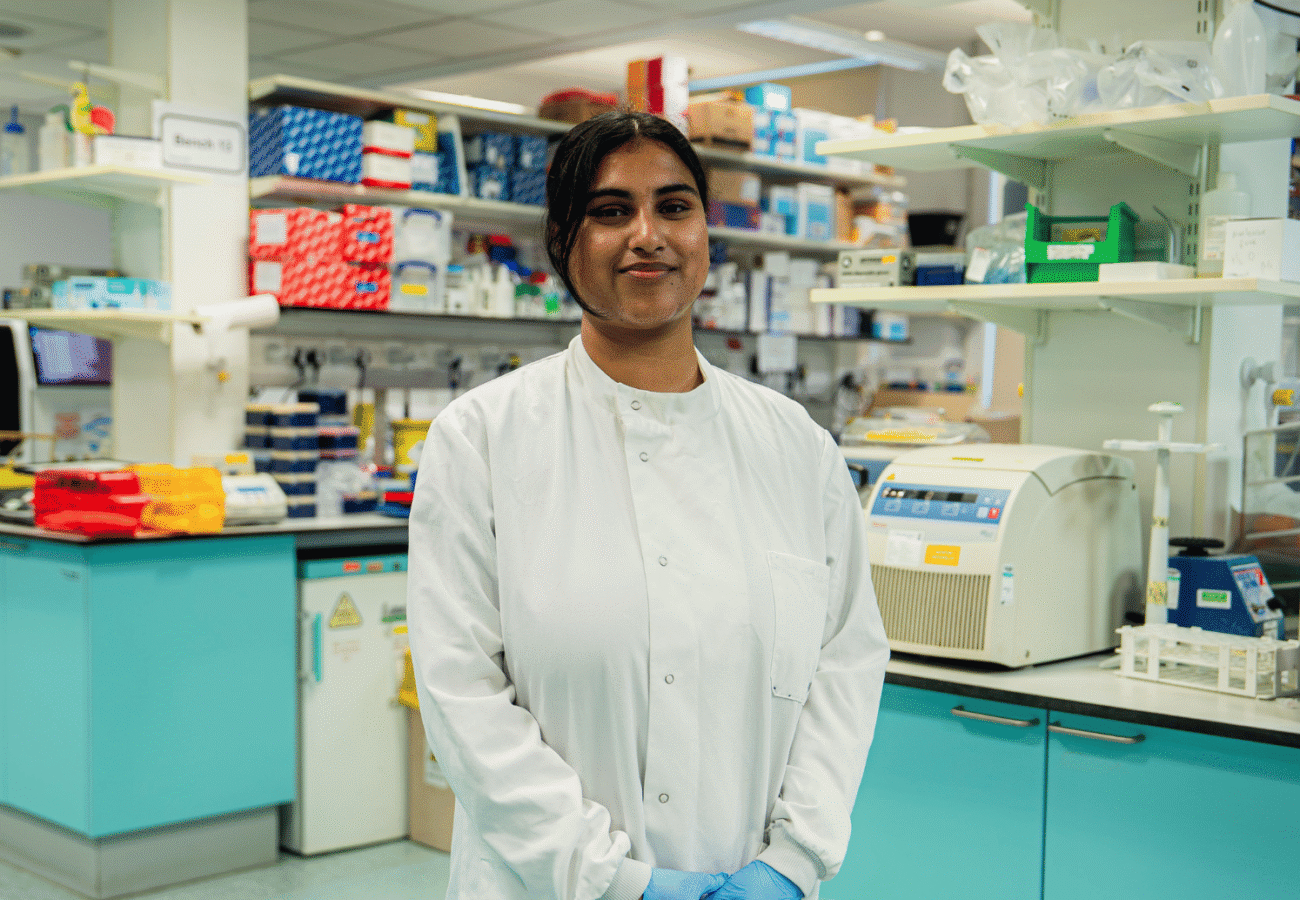
Help accelerate breast cancer research in East London
Your generosity could help fund expert research into new treatments, more personalised care and better access to research for East London’s diverse communities.