

Dr Vanessa Apea is a Consultant Physician in Sexual Health and HIV at Barts Health NHS Trust. Born and raised in East London and of Ghanaian heritage, Vanessa’s career has been driven by her passion to support underserved communities.

Dr Vanessa Apea
Vanessa has been a part of the Sexual Health and HIV All East Research (SHARE) Collaborative (SHARE) since its inception in 2021. SHARE is a multidisciplinary team of clinicians, scientists and community members that is raising awareness of HIV, preventing future infection and trialling innovative new treatments in East London.
This Black History Month, we chatted to Vanessa about her work in amplifying the voice of black women and how her personal experiences have helped shape the researcher she is today.
Can you tell us a bit about your background and how you got into this kind of research?
I’m a Consultant in Sexual Health and HIV, an Honorary Senior Lecturer at Queen Mary University of London, and I also hold a master’s degree in public health. My work has always been centred on health equity and how everybody can get access to the healthcare services that they need. I’ve long been deeply committed to carrying out research in this area and Barts Charity has always been a real champion of my work. Being part of the SHARE Collaborative has been an important opportunity to develop my research.
"Being a Black woman and growing up in East London, I recognised that there was a significant gap in research about the lived experiences of black women. Within my work in sexual health and HIV, there’s a lot of stigma which exacerbates these inequities."Vanessa Apea
What are you currently working on?
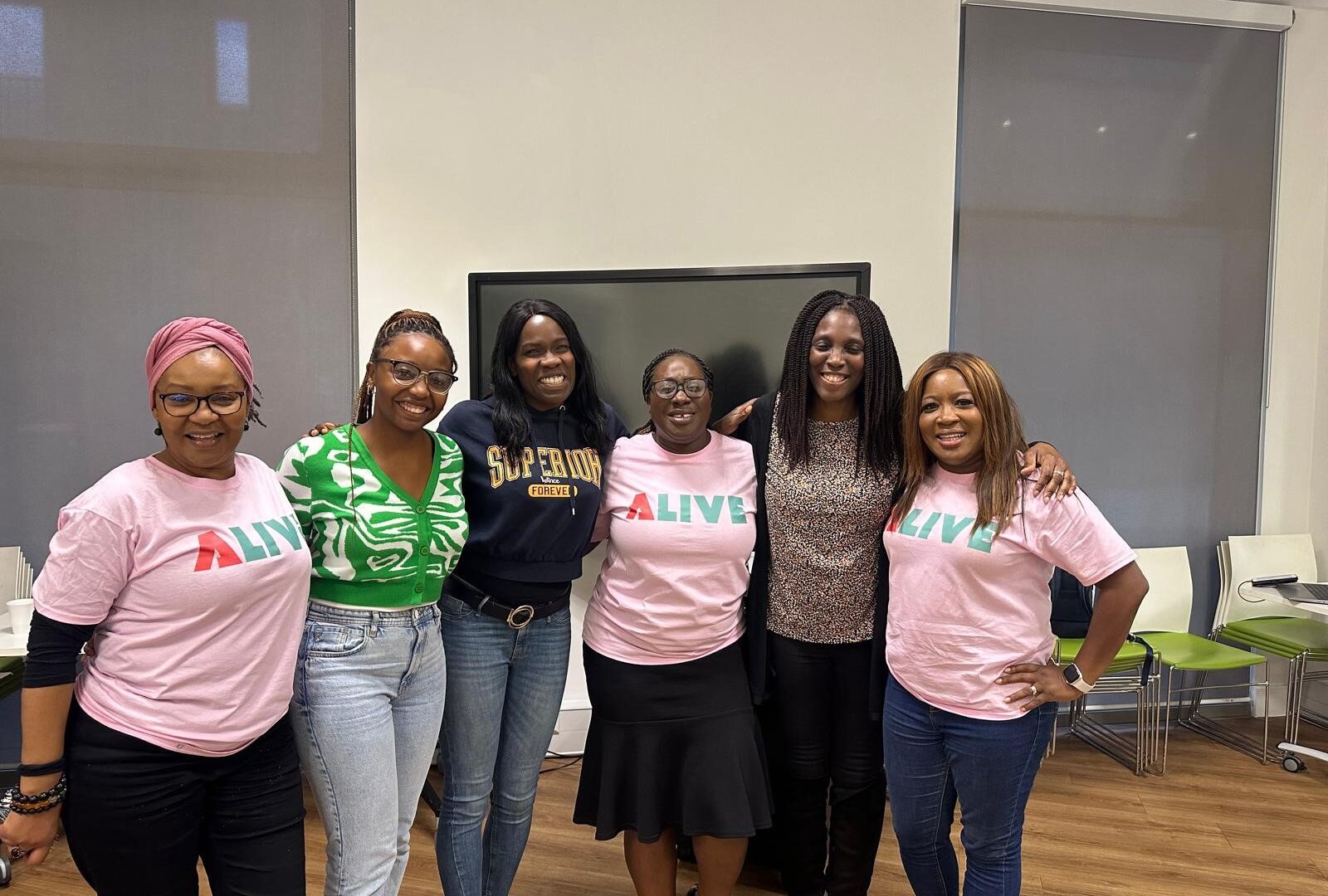
I’m working on a project called Amplifying the Lived Experience of East London communities (ALIVE). We’ll be shining a light on different communities, but our initial focus is on black women. We conducted a survey of 700 women, which was fantastic. We reached out to different community spaces and events to talk to people who might otherwise have been overlooked.
Our intention is to create resources that people see themselves in. Because it shows people that we see them, we respect and value them. It supports us to be better clinicians and healthcare providers; you can’t say that you’re delivering quality healthcare without truly understanding the people that you’re providing the care to.
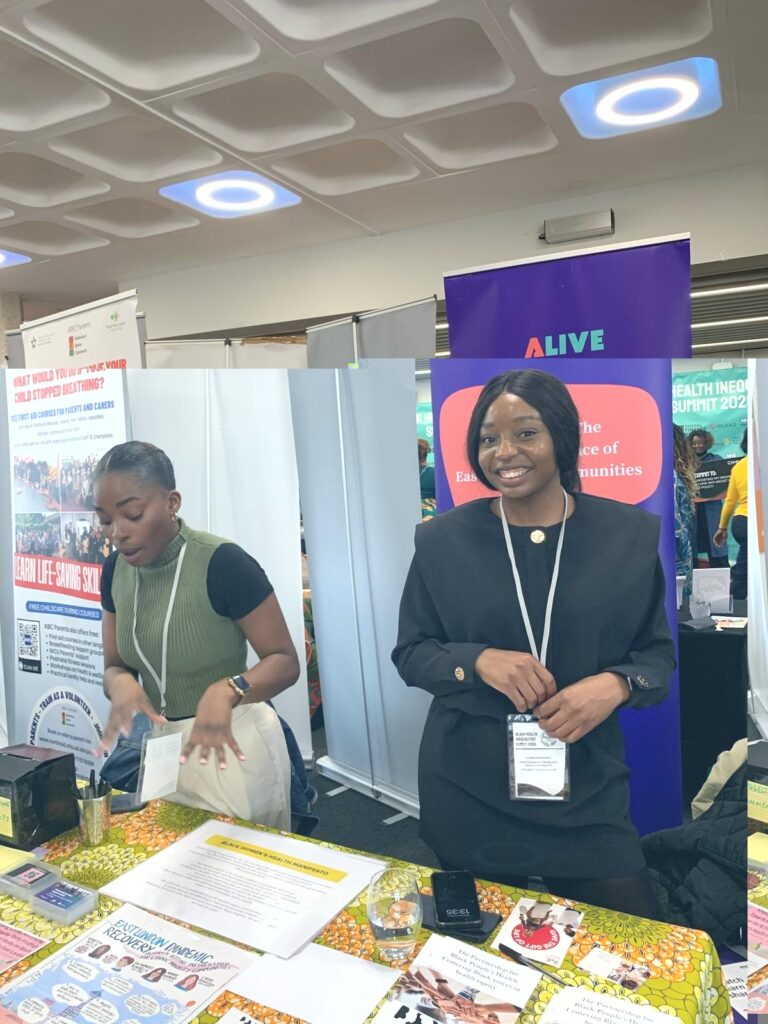
An ALIVE community event
What health inequities are currently being faced by black women in East London today?
Black women with HIV can be marginalised or vulnerable for a variety of reasons; whether it’s poor access to services, racism, sexism or lack of education. Cultural stigma also plays a big part, as it stops people testing, sharing their diagnosis with others and accessing treatment.
That’s why we’ve set up initiatives like BlackWomensWellness.com – an online space dedicated to black female empowerment. It allows women to share their experiences, access resources and connect with others. It’s been really well received and we’re looking to expand this further.
“It feels so good to be seen – in a wellness space made for me.”
“Your content helped me advocate for better care with my doctor.”Feedback from women who have accessed BlackWomensWellness.com
How have your own experiences shaped the work you do today?
I’ve kind of lived and breathed these experiences in a way that not everyone has. During my fertility and pregnancy journey I had some really difficult encounters in healthcare – and that’s coming from someone who is highly knowledgeable in health. I didn’t recognise myself in research and people in the community discuss this a lot as well.
All of those things in culmination made me really dedicated to raising awareness and advocating for everyone to be seen, respected and valued.
How has Barts Charity supported you?
What Barts Charity has done is put their money where their mouth is. They’ve given us a really robust opportunity to explore the experiences of black women – to push boundaries in our research.