

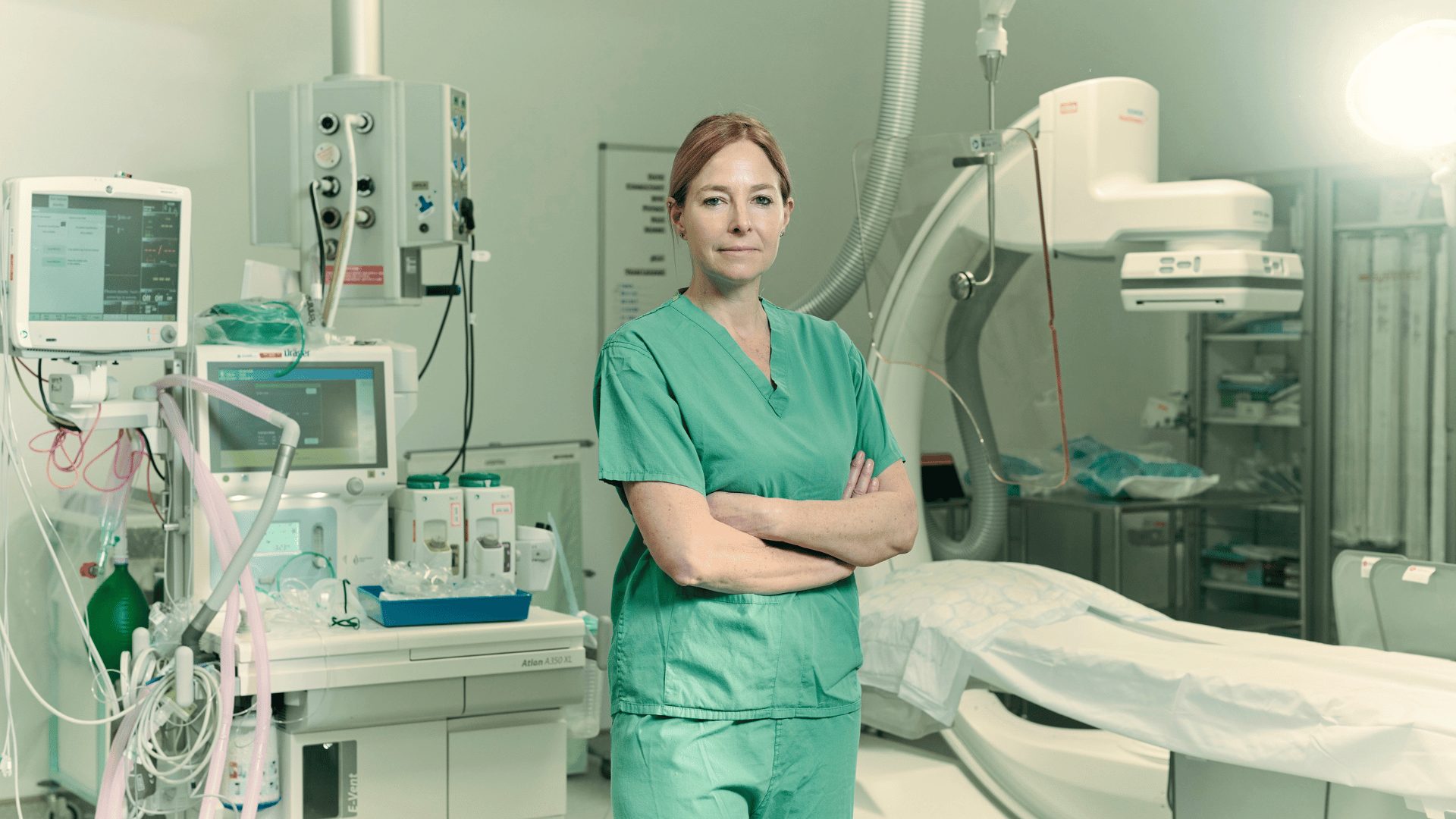
Airing at 8pm on Wednesday 18 February, and continuing every Wednesday for six weeks, the series explores how St Bartholomew’s Hospital has evolved from its founding in 1123 to become a centre of world-leading healthcare, pioneering research and medical innovation.
Alice Roberts: Our Hospital Through Time is a brand-new Channel 5 docuseries telling the extraordinary 900-year story of St Bartholomew’s Hospital – the oldest hospital in England.
From 1123 to Today: The Story of England’s Oldest Hospital
Founded in 1123, St Bartholomew’s Hospital has stood at the heart of London for more than nine centuries. From medieval wards to modern operating theatres, its history reflects the story of healthcare in Britain itself. Charitable support has shaped Barts since the very beginning. In fact, the names of early donors still line the walls of the Great Hall in the Barts North Wing – a powerful reminder that philanthropy has always driven progress here.
You can hear from Alice Roberts talk about what it felt like filming the series and exploring the Hospital’s rich history on the Barts Health NHS Trust website.
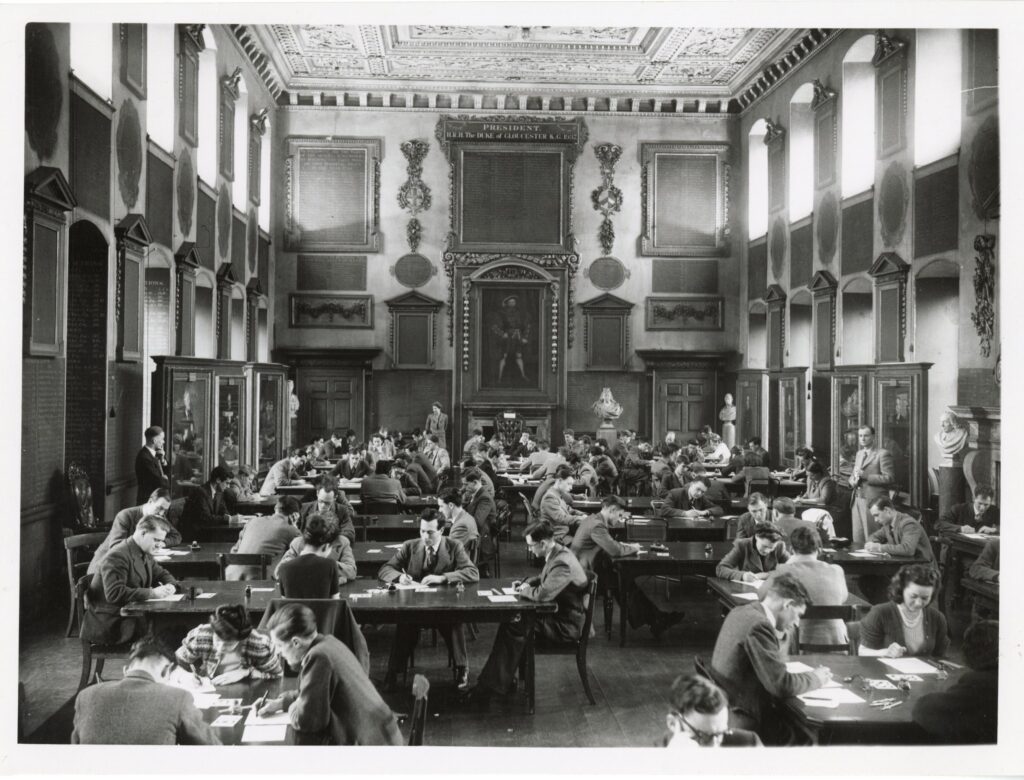
The Great Hall in the Barts North Wing, 1949. Courtesy of Barts Health NHS Trust Archives.
Stay in the loop
We’ll be updating this page after each episode airs, with highlights, behind-the-scenes insights and more about how we’re involved the projects featured – so be sure to check back throughout the series.
Episode 1: Inside Barts Heart Centre
The first episode took viewers inside Barts Heart Centre, the UK’s largest and busiest specialist heart hospital. The catheter labs feature in this episode and are based at Barts Heart Centre, where teams respond to life-threatening heart emergencies every day.
Just over 10 years ago, we worked with Barts Health to bring together three London cardiac services under one roof through an initial £10.2 million investment. Originally set up to treat 80,000 patients and save more than 1,000 lives annually, Barts Heart Centre now delivers care on an unprecedented scale. Last year alone, it helped 85,000 patients, surpassing its original ambition.
The centre is leading advances in cardiac care in East London, from developing the first blood test to detect deadly heart inflammation to using a robot to successfully operate on a beating heart for the first time in the UK.
Since its establishment in 1123, donations have been the backbone of St Bartholomew’s Hospital. We are proud to continue that legacy today, funding vital projects such as Barts Heart Centre and helping to shape the future of cardiac care.
Episode 2: Robotic Lung Surgery at St Bartholomew’s Hospital
St Bartholomew’s Hospital is the UK’s largest robotic thoracic centre and carries out more than 500 robotic-assisted bronchoscopies and 400 robotic-assisted lung surgeries each year.
You may remember seeing patient Chris Lynch, who was being treated for lung cancer. He gets surgery from Henrietta Wilson using the Da Vinci robot, which we funded. The purchase of the Da Vinci robot was supported through a generous gift in memory of Vahab Samadian, by his wife Dr Sima Motamen-Samadian in 2024. We supported the training for staff to use this equipment through a generous donation from the Alamouti Family.
St Bartholomew’s Hospital also uses another robot system that you helped to purchase. Ion helps doctors to diagnose lung cancer, enabling them to safely reach small spots or nodules deep inside the lung, in areas that traditional techniques often cannot access.
My patients no longer need to wait months for a repeat scan. Instead, they have a biopsy, go home on the same day, and return to normal activities almost immediately, avoiding unnecessary operations and accessing the right treatment sooner.Kelvin Lau, Clinical Director and Consultant Thoracic Surgeon
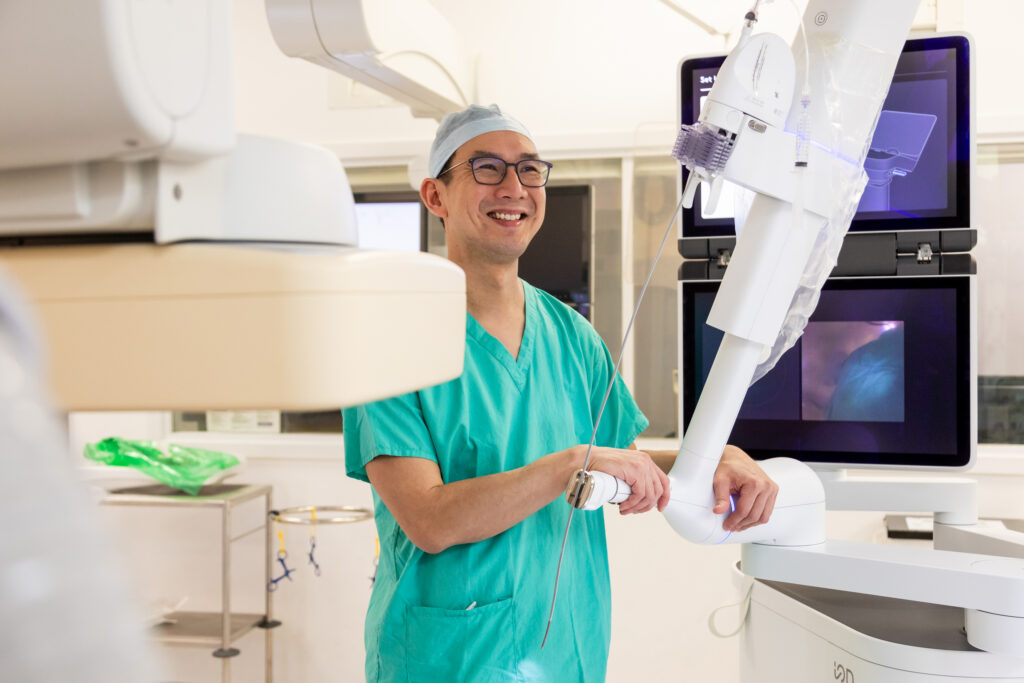
Kelvin Lau, Clinical Director and Consultant Thoracic Surgeon at St Bartholomew’s Hospital
With current tools, some nodules are too small or too deep to reach, which can mean delays and added worry for patients. This new robotic system changes that. A thin, flexible tube can reach deep into the lung, allowing doctors to take samples more accurately, reducing the need for surgery.
For patients, this could mean fewer anxious months waiting for repeat scans or unclear results, and a faster route to potentially life-saving treatment.
In a study on the effectiveness of the Ion robot, results show that doctors reached and biopsied the target area in 99% of cases, delivering a confirmed diagnosis in 92% of patients.
Read more about the impact of robotics
Episode 3: Heart Surgery and Research at St Bartholomew’s Hospital
Episode 3 highlights pioneering heart surgery and medical research at St Bartholomew’s Hospital, one of the UK’s leading centres for cardiac care.
Viewers see patient Edith undergo surgery for a torn aorta performed by Professor Aung Oo. In 2024, Barts Charity funded a research project led by Professor Aung exploring how doctors might detect spinal cord injury earlier during major heart and blood vessel surgery.
During complex aortic surgery, blood supply to the spinal cord can sometimes be reduced, which can lead to weakness or loss of feeling in the legs. The research team tested a new monitoring method that measures tiny chemical changes in the fluid around the spinal cord in real time during surgery and in intensive care afterwards.
The study showed this approach could detect warning signs linked to changes in patients’ movement or sensation, helping doctors identify problems earlier. The project was recognised internationally, winning a European Young Investigator award, and lays strong foundations for improving safety during complex surgery.
Earlier Detection of Heart Valve Disease
Episode 3 also touches on echocardiography, an ultrasound scan that creates real-time images of the heart and blood vessels.
In 2021, Barts Charity funded a new approach using handheld ultrasound devices in the community. Primary care staff carried out 500 echocardiograms with patients over 65, finding:
-
32% had valvular heart disease
-
4% had left ventricular systolic dysfunction
-
89% diagnostic accuracy compared to hospital echocardiography
The results suggest heart conditions could be diagnosed earlier while reducing pressure on hospitals.
Research Exploring Breath Tests for Blood Cancer
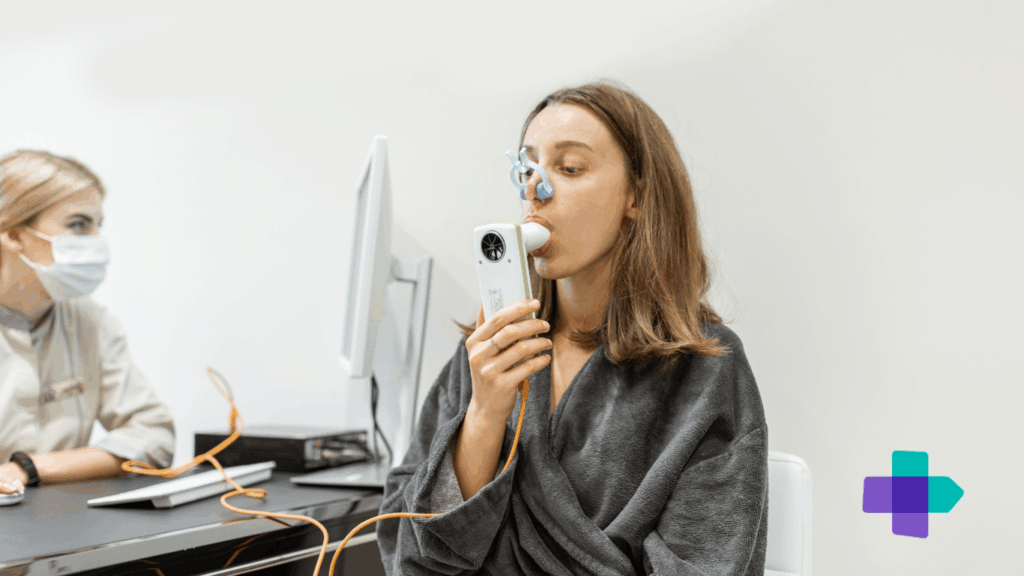
A person having a breath test
The series also features a patient being treated for blood cancer at St Bartholomew’s Hospital.
Research funded by Barts Charity has found that your breath could give clues about blood cancer. This could enable the development of a special breath test that could spot blood cancer quickly and easily.
This has the potential to be a simple and low-cost way to detect blood cancer, and could be especially useful in areas with limited access to specialist equipment or expertise.
Read more about blood cancer research
Episode 4: Transforming breast cancer care in East London
Did you spot Laura Johnson performing a breast surgery in Episode 4? Laura is the Clinical Lead for the soon to be opened Breast Cancer Centre – and performs surgeries on many breast cancer patients. This includes Anne, whose story you can read here.
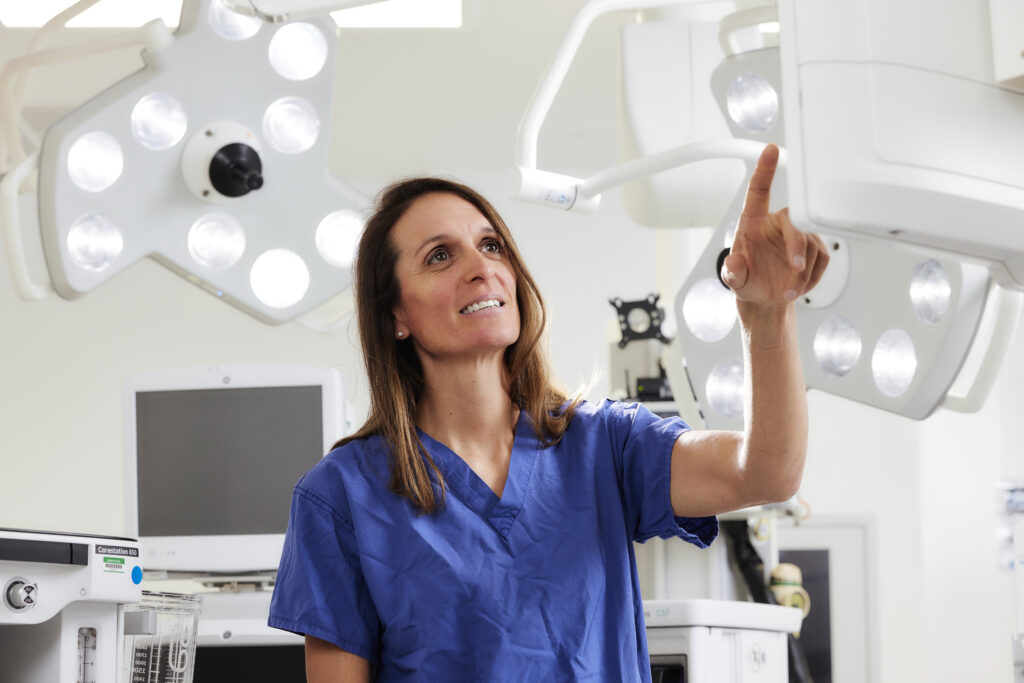
Laura Johnson, surgical lead at the Breast Cancer Centre, featured in this episode
As a result of our largest ever investment – £16.6m – a Breast Cancer Centre will be opening soon at St Bartholomew’s Hospital. Bringing specialist breast surgeries and different therapies together in one place, this new Breast Cancer Centre will change what a breast cancer diagnosis means for people in East London.
Patients will have fairer access to advanced treatment and reconstruction, diagnoses will be faster, and there will be more opportunities to participate in clinical trials.
This has long been an ambition of ours. We learnt a lot from establishing the world-leading Barts Heart Centre, which brought together three cardiac services back in 2015 – and delivered dramatic improvements in patient outcomes and treatment times. And we’re taking that learning and applying this to the Breast Cancer Centre.
Episode 5: Supporting patients with valvular heart disease
Episode 5 features a heart valve surgery by Neil Roberts, a consultant cardiac surgeon who works at Barts Heart Centre.
According to the University of East Anglia, 28% of people aged 60 and over in the UK have valvular heart disease. This is a condition where one or more of the valves in the heart don’t work as they should.
At Barts Heart Centre, demand for valve health services has increased and is set to grow as the number of over 65s grows in East London.
With £49,000 of our funding, Barts Heart Centre established a nurse-led clinic in 2023, running alongside physician and physiologist-led clinics. Munira Patel, a Clinical Nurse Specialist in valvular heart disease, was appointed. Hear from her below:
The clinic has significantly increased capacity, with 22.5% more patients being seen face-to-face in the first three months. These changes have led to a dramatic improvement in waiting times. Before Munira was recruited, the average waiting time for an appointment was up to five months. It dropped to between four and eight weeks, depending on the severity of the case.
Patient feedback has been overwhelmingly positive. David, who is shown in the video above, said: “I think the clinic is absolutely brilliant and Munira is fantastic. If I email her, she’s on the phone within a couple of hours.”
Episode 6: From radiotherapy to research – radioactive dye in action
In this final episode of the series, we saw the work being done in Endocrinology and Nuclear Medicine at St Bartholomew’s Hospital. Matthew’s treatment showed how radioactive substances can be used in cancer care, with a radioactive injection being used in his bloodstream. Research funded by Barts Charity, alongside the National Institute for Health and Care Research, the Medical Research Council and the British Heart Foundation, is using a similar approach to uncover a hidden cause of high blood pressure.
Researchers at the William Harvey Research Institute at Queen Mary, named after the infamous doctor featured in this episode, have developed a simple scan to find tiny nodules that can cause high blood pressure. For around one in 20 people, high blood pressure is caused by tiny nodules on the adrenal glands, which produce a hormone called aldosterone that causes the body to retain salt and raises blood pressure.
The 10 minute test can show who could be cured with surgery, and even who might be able to stop taking blood pressure medication altogether. The team is now working with the NHS to make this available to more patients in the future.
Support St Bartholomew's Hospital
You can be part of the rich history by supporting the hospital with a donation today.