

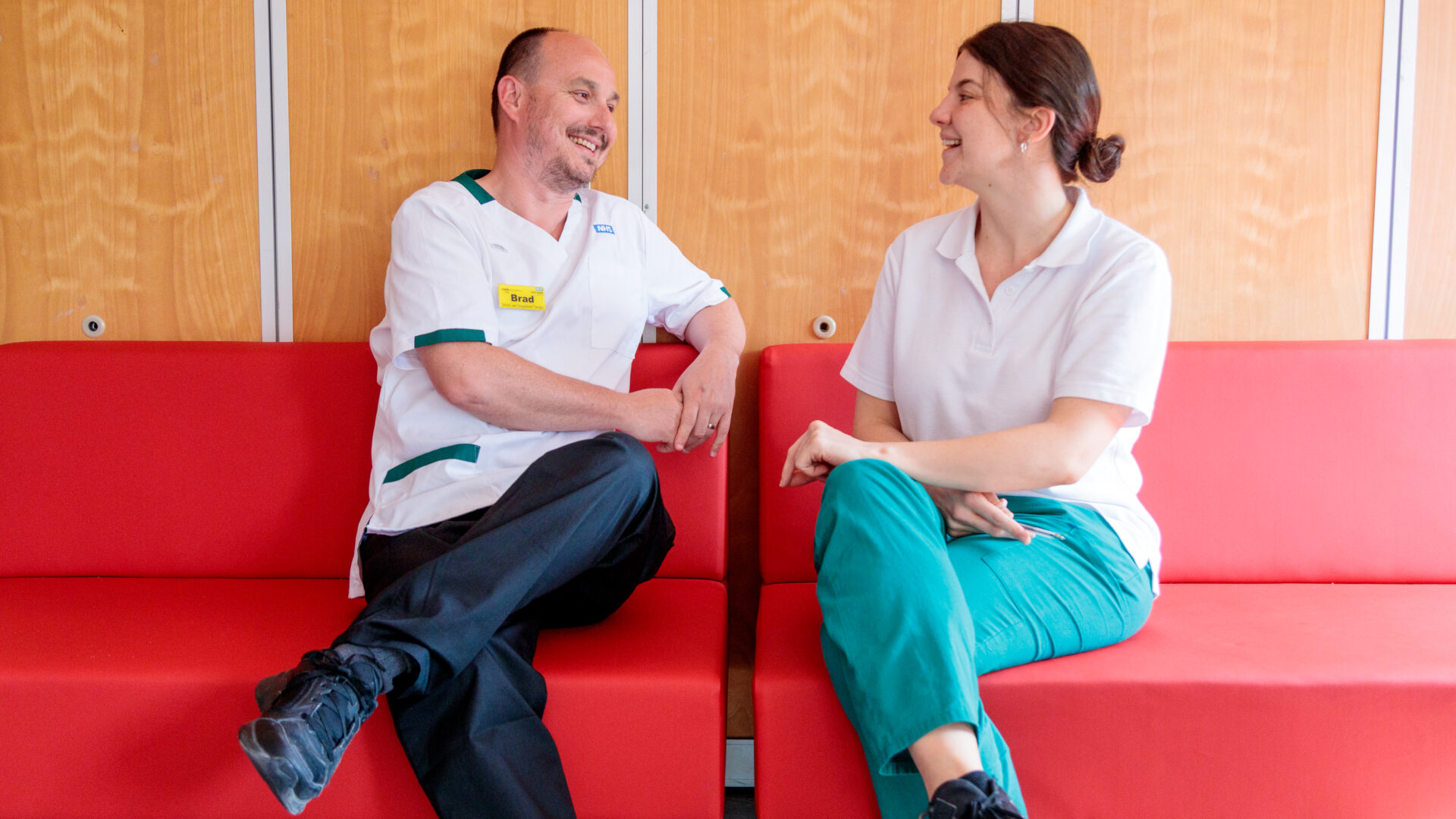
At Barts Charity, we support the motivation, recognition and wellbeing of staff at Barts Health NHS Trust. When staff feel valued and supported, they’re even better placed to deliver exceptional care to patients, especially during challenging times.
We’ve invested in different ways to support staff. This has included research to better understand ways that burnout can be reduced for our NHS colleagues.
Burnout in the NHS
The COVID-19 pandemic contributed enormously to high levels of NHS staff feeling burnt out. Burnout continues to be a pervasive issue in healthcare to this day, impacting staff wellbeing, patient care quality and workforce retention.
Fiona Miller Smith, Chief Executive at Barts Charity, said: “It’s important that we are funding research that gives healthcare leaders and policymakers clear, practical ways to reduce burnout in staff.”
Targeted ways to reduce burnout
A major new study that we funded, led by researchers at Queen Mary University of London and Barts Health, has found that burnout can be significantly reduced in targeted ways. In particular, researchers found that:
- Mindfulness and yoga were effective at reducing burnout for nurses, midwives and mixed-role healthcare professionals
- Professional coaching was the most promising intervention for medical doctors.
Published in the prestigious Annals of Internal Medicine, the comprehensive study reviewed 99 randomised controlled trials involving over 9,000 healthcare professionals. The study assessed a wide range of strategies including mindfulness, yoga, stress management, job training, group support, coaching, and psychological therapies.
The researchers point out that, while things like mindfulness and coaching can help, bigger changes to how the NHS works are also needed to tackle burnout.
“Our findings highlight that burnout solutions are not one-size-fits-all. Doctors and nurses respond differently to interventions, and this opens the door to more personalised and cost-effective approaches to support their wellbeing.”Dr Ajay Gupta, senior author and Associate Professor at Queen Mary and Consultant Physician at Barts NHS
Art therapy research
Megan Tjsink was awarded a Barts Charity Clinical Research Training Fellowship to find out if art therapy sessions could support the wellbeing of Barts Health staff.
Participants took part in six weekly 90-minute art therapy sessions, with each workshop having a specific focus and set of aims.
The sessions have offered staff a chance to step away from the pressures of clinical life and engage in mindful, creative activities. In a safe and welcoming space, participants were able to reflect, share, and reconnect – with themselves and with each other.
Out of 129 doctors, nurses and allied health professionals, from across Barts Health hospitals:
- 98% found the sessions helpful
- 100% would recommend them to colleagues
Compared to the control group, participants showed significant reductions in burnout, emotional exhaustion, stress, anxiety and depression.
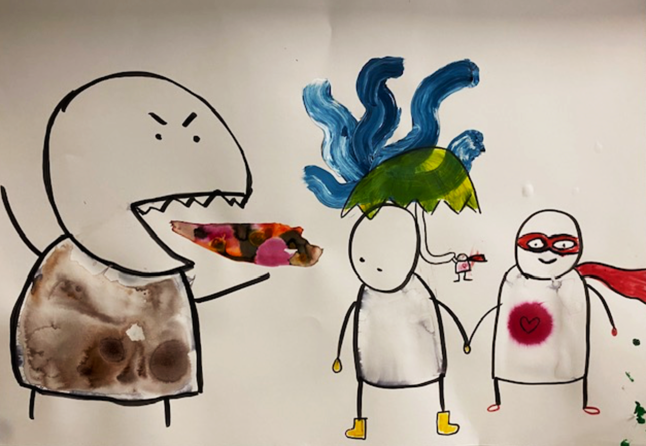
A piece of artwork made during art therapy
Supporting NHS staff
There are lots of other ways that we support NHS staff. From funding the Psychological Support Service, so staff can talk, reflect and find strategies to cope with the pressures of their roles; through to Barts Hearts, an online platform that allows staff to send hearts and messages of appreciation to colleagues.